HVAC Company in Hillsborough, CA
As a full-service HVAC provider in Hillsborough, CA, Plum HVAC delivers tailored solutions that truly start from the ground up. We begin with detailed assessments, precise load calculations, and expertly designed ductwork to guarantee year-round comfort and optimal efficiency. Our services include professional installation, replacement, and maintenance, featuring energy-smart equipment like high-performance heat pumps, variable-speed compressors, and smart thermostats. At Plum HVAC, we also prioritize your indoor air quality, offering protection against wildfire smoke, and always adhering to the highest safety standards. Homeowners consistently benefit from our transparent pricing, comprehensive warranty coverage, helpful rebate assistance, and thorough documentation, which streamlines permits and any future service needs. Our local expertise, trusted technicians, and clear project timelines ensure you receive reliable, high-quality results every single time.
HVAC Company in Hillsborough, CA
Keeping your Hillsborough home comfortable year-round means choosing the right heating, ventilation, and air conditioning solutions for the local climate, building types, and air-quality challenges. Whether you live in a 1920s Mediterranean-style home or a modern new build, high-performance HVAC work improves comfort, lowers energy bills, and protects indoor air quality — especially important here, where cool coastal fog, occasional Bay Area heat waves, and seasonal wildfire smoke create unique demands.
Common HVAC services for Hillsborough homes
- Installation and replacement
- Central air conditioners and high-efficiency heat pumps
- Gas and electric furnaces where applicable
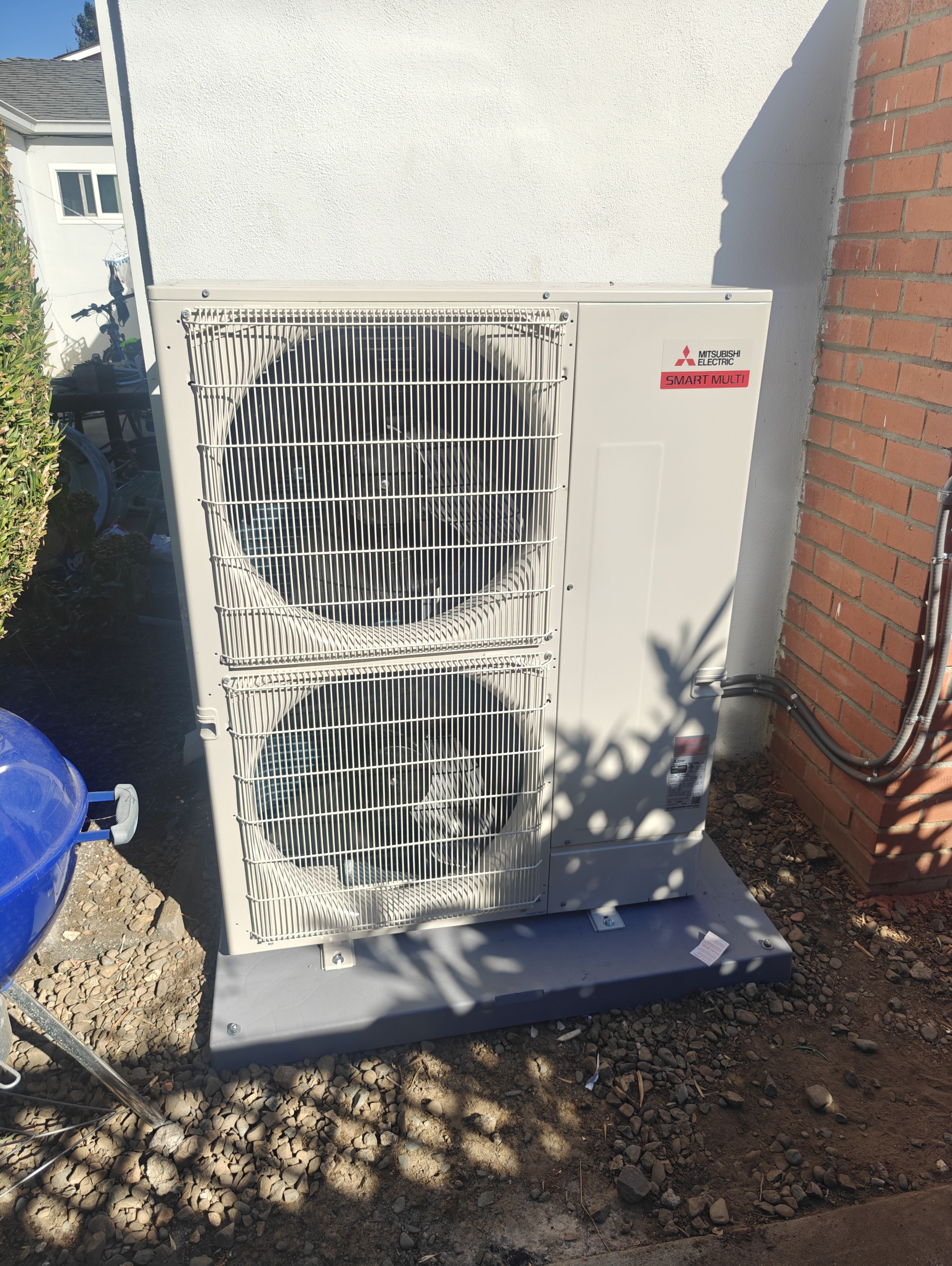
- Ductless mini-split systems for additions, retrofits, or historic rooms
- Hybrid systems and heat pump conversions for electrification
- Repair and diagnostics
- Refrigerant leaks, compressor and blower repairs, and thermostat troubleshooting
- Duct leakage, static pressure issues, and airflow balancing
- Emergency diagnostics for system failures during hot or smoky conditions
- Seasonal maintenance plans
- Spring and fall tune-ups, coil cleaning, filter replacement, safety checks
- Pre-season performance testing to avoid mid-summer or mid-winter failures
- Ductwork and ventilation
- Duct sealing, insulation, rerouting, and custom fabrication for attics and crawlspaces
- ERV/HRV and whole-house ventilation for moisture and fresh-air control
- Indoor air quality upgrades
- High-efficiency filtration, HEPA filtration, UV germicidal lights, and whole-home air cleaners
- Humidification and dehumidification to maintain comfort without promoting mold growth
Assessment and system-sizing process
An accurate assessment is the foundation of reliable HVAC performance and efficiency. Typical steps include:
- Home evaluation: Review of home square footage, orientation, insulation, window types, occupancy, and attic or crawlspace conditions. Hillsborough homes often have varied building envelopes and historical construction, which impacts load calculations.
- Load calculation: A Manual J style heat-loss and heat-gain calculation determines the precise heating and cooling capacity required. This prevents oversizing (short cycling and humidity problems) and undersizing (poor comfort on heat waves).
- Duct and airflow analysis: Inspection of existing ducts for leaks, insulation level, sizing, and static pressure. If ducts are undersized or leaky, equipment performance and efficiency drop significantly.
- Equipment selection: Matching equipment to the calculated load and the homeowner’s priorities (quiet operation, highest efficiency, minimal footprint). For Hillsborough, prioritizing systems that handle coastal humidity and occasional high outdoor temperatures is typical.
- Proposal and timeline: A transparent, written estimate outlining equipment options, efficiency ratings, expected performance, and installation timeline.
Energy-efficient equipment recommendations
Hillsborough homeowners often want to maximize energy savings and comfort while reducing environmental impact. Common recommendations:
- Heat pumps (air-source and ducted mini-splits): Provide both heating and cooling with high efficiency and are well-suited for mild Bay Area winters.
- Variable-speed compressors and ECM motors: Improve humidity control, lower operating noise, and reduce energy use compared with single-stage systems.
- High-SEER and high-HSPF units: For homes that run cooling or heat-pump heating frequently during occasional heat waves.
- Smart thermostats and zoning: Allow precise control over temperature by room or zone, improving comfort and reducing wasted energy.
- Compatibility with solar PV: Integrating HVAC choices with existing or planned rooftop solar increases long-term energy benefits.
Assistance with manufacturer warranties, extended warranty options, and available local or state rebates is part of making an efficient upgrade cost-effective. Documentation and application support for rebates and permits help ensure homeowners capture available incentives.
Ductwork services and airflow optimization
Duct performance is crucial in older Hillsborough homes where ducts may run through uninsulated attics or basements:
- Duct sealing and insulation: Reducing leaks and insulating ducts in unconditioned spaces prevents significant energy loss.
- Duct resizing and layout correction: Ensures proper airflow to all rooms and improves system longevity.
- Airflow balancing and register adjustments: Improves comfort in rooms that were previously too hot or cold.
- Replacement or redesign for historic homes: Discrete solutions and minimal invasive methods are used when preserving architectural character is important.
Thermostat and zoning solutions
- Multi-zone systems: Use motorized dampers and multiple thermostats to control temperatures separately in upstairs, downstairs, and addition areas—useful in multi-level Hillsborough homes.
- Smart controls and occupancy learning thermostats: Improve comfort and savings by adapting schedules and integrating with remote monitoring.
- Remote sensors: Address temperature variations in long hallways or sun-exposed rooms for more accurate control.
Indoor air quality and wildfire smoke protection
California wildfire smoke is a seasonal concern for Bay Area residences. Effective IAQ strategies include:
- High-MERV filters or HEPA-grade filtration for forced-air systems
- Dedicated whole-house filtration or portable HEPA units for sensitive rooms
- ERV/HRV systems for balanced ventilation without compromising filtration
- UV germicidal lights to reduce biological contaminants
- Proper humidification in cooler months and dehumidification during damp spells to prevent mold
During smoke events, systems can be set to recirculate indoor air with high-efficiency filters engaged to minimize infiltration of particulates.
Licensing, safety credentials, and quality assurance
Proper licensing and credentials matter for safety, code compliance, and peace of mind:
- California contractor licensing specific to HVAC work and appropriate local permits
- EPA Section 608 certification for refrigerant handling
- Manufacturer training certifications and industry-standard credentials (for example, NATE-level technicians)
- Liability insurance, workers compensation coverage, and local permit handling
- Adherence to local building codes, electrical standards, and inspection processes
Documentation of permits, equipment model and serial numbers, and warranty registration are standard parts of a quality installation.
Warranty, rebate assistance, and documentation
- Manufacturer and extended warranties: Explanation of what’s covered, typical durations, and owner responsibilities for maintenance to keep warranties valid.
- Rebate assistance: Guidance on common rebate types, required paperwork, and typical processing steps to help homeowners take advantage of incentives.
- Post-installation documentation: Includes system manuals, maintenance checklists, and a summary of work performed for future service needs.
COVID-19 and jobsite safety practices
In response to health concerns, standard safety practices include:
- Health screening of technicians and reduced crew sizes when practical
- Use of masks and gloves during close-contact work and while inside homes
- Minimizing time spent in occupied rooms and maintaining distancing whenever possible
- Sanitizing equipment and work areas, and avoiding unnecessary contact with household items
These measures are intended to protect both residents and technicians while enabling essential HVAC services to continue.
Typical pricing and quoting process (what to expect)
- Transparent estimates: Written proposals that explain equipment options, model efficiencies, scope of work, and projected timelines.
- Onsite assessment: A properly scoped quote usually follows an in-person evaluation to measure loads, inspect ducts, and identify installation constraints.
- Financing and paperwork: Many projects include options for financing and assistance preparing rebate or permit documentation.
- Timeline and milestones: Clear expected dates for equipment delivery, installation start, and final inspection.
Why timely HVAC service matters in Hillsborough Proactive maintenance and properly sized, high-efficiency equipment improve comfort through mild winters, hot summer spikes, and smoky air episodes. Timely repairs prevent costly breakdowns during peak demand, extend system life, and protect indoor air quality for occupants.
hear what our satisfied clients have to say

.svg)
Service areas
.avif)