
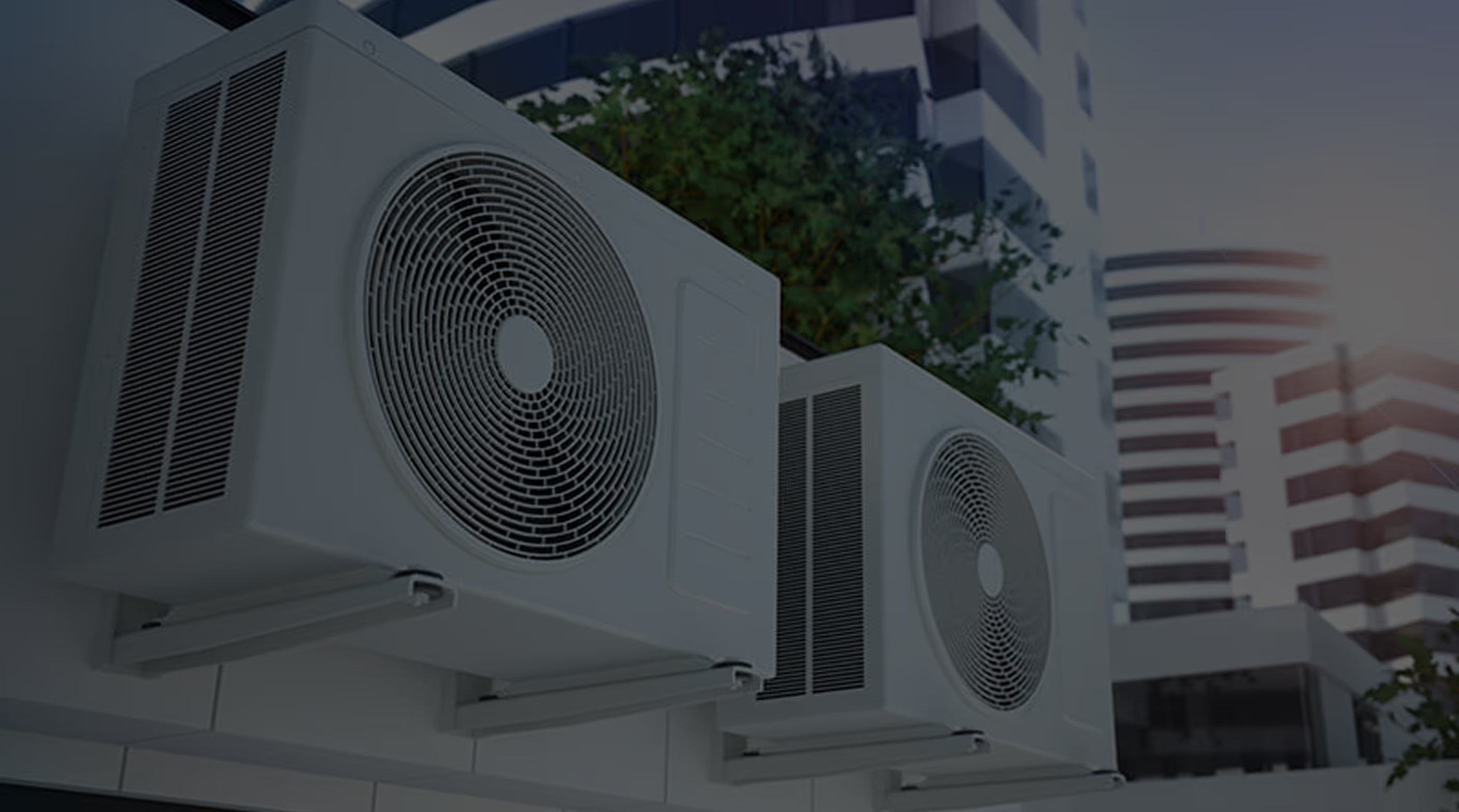
Heat Pump Repair in Mountain View, CA
For heat pumps in Mountain View, CA, Plum HVAC provides a detailed guide to failures, on-site diagnostics, and typical repair steps, from capacitor and refrigerant issues to defrost and airflow problems. You’ll learn expected timelines, emergency options, and how our qualified technicians handle warranties, testing, and documentation. The guide also covers maintenance tips to extend life, post-repair testing procedures, and best practices for reliable performance in local climate conditions. Trust our experts at Plum HVAC for lasting comfort.
.jpeg)
Heat Pump Repair in Mountain View, CA
Keeping your heat pump running reliably is essential for year-round comfort in Mountain View, CA. Whether you use your system mainly for summer cooling or depend on it for the mild winter heating here, a timely, accurate repair restores comfort, prevents larger failures, and keeps efficiency high. Below is a clear, expert guide to common heat pump failures in Mountain View homes, how on-site diagnostics work, what repairs typically involve, expected timelines, emergency response options, technician qualifications, warranty considerations, and post-repair testing and maintenance you can rely on.
Why location matters: Mountain View conditions and heat pump performance
Mountain View’s Mediterranean climate means mild winters and warm summers with occasional hot spells. Heat pumps here often run year-round to handle cooling and dehumidification needs. Local factors that affect repair frequency and failure modes include:
- Frequent on/off cycling during shoulder seasons, which can stress compressors and controls.
- Morning coastal fog and occasional salt-laden air that can accelerate outdoor coil and electrical corrosion for systems near the bay.
- Energy efficiency incentives and California refrigerant regulations that influence replacements and refrigerant handling.
Common heat pump issues in Mountain View homes
- Compressor failure: Signs include reduced heating/cooling capacity, unusual noises, or the system short-cycling. Causes range from electrical stress to refrigerant starvation.
- Refrigerant leaks: Low refrigerant causes weak performance and can lead to compressor damage. Leaks are common at welded/jointed connections and aging coils.
- Electrical faults: Failed capacitors, contactors, or control board problems prevent compressors and fans from starting or operating.
- Defrost cycle problems: If the outdoor unit stays iced up in cool weather, the defrost sensor, control board, or reversing valve may be at fault.
- Airflow issues: Dirty filters, blocked returns, or failing blower motors reduce efficiency and can cause freeze-ups.
- Drain and condensate problems: Slow or clogged drains can cause water damage and secondary electrical issues.
On-site troubleshooting process: what to expect
A systematic diagnostic process isolates the root cause quickly and conservatively:
- Customer interview and symptom review: When did the problem start, what are the exact symptoms, and when does it occur? This narrows the focus.
- Safety and power checks: Verify safe electrical conditions, disconnects, fuses, and breakers before deeper testing.
- Visual inspection: Look for corrosion, oil stains (indicating refrigerant leaks), damaged lines, and ice accumulation.
- Airflow and duct check: Inspect filters, returns, and supply vents for obstruction; measure static pressure if needed.
- Electrical diagnostics: Use a multimeter to test capacitors, contactors, motor windings, and control voltages.
- Refrigerant system evaluation: Measure operating pressures and temperatures to determine charge and detect leaks with electronic leak detectors.
- Control and thermostat verification: Confirm correct thermostat staging, settings, and communication with the outdoor unit.
- Defrost cycle testing: Observe or simulate low-temperature operation to check defrost timer/sensor and reversing valve function.
Technicians document findings, explain the root cause in plain language, and outline repair options that restore safe, efficient operation.
Typical repairs and solutions
- Capacitor or contactor replacement for electrical start/run failures.
- Refrigerant leak repair and recharge after locating and repairing the leak; testing to confirm proper charge and performance.
- Compressor replacement when diagnostics confirm internal failure; this may require brazing and evacuation of the sealed system.
- Control board or thermostat repair/replacement to resolve communication and sequencing faults.
- Defrost sensor or reversing valve service to restore proper winter operation.
- Blower motor or fan repair for airflow restoration.
- Coil cleaning and corrosion mitigation especially important for systems exposed to bay-area moisture and salt.
Estimated repair timelines
- Minor electrical or component swaps (capacitor, contactor, sensor): often completed within a single visit, typically a few hours.
- Refrigerant leak repair and recharge: may take a single extended visit depending on leak location; leak testing and monitoring extend the process.
- Compressor or sealed-system replacements: commonly require ordering parts and can extend to a day or more, with some jobs needing multiple visits.
- Major equipment replacement: when the system is beyond economical repair, replacement planning and coordination require additional scheduling and may take several days.
Timelines depend on parts availability, permit requirements, and the scope of the sealed-system work.
Emergency response and urgent issues
Situations that warrant immediate attention include electrical burning smells, visible refrigerant leaks with frost and pooling oil, or complete loss of heating during an unusually cold night. Emergency response protocols prioritize safety checks (shutting off power to hazardous components), temporary measures to protect your home, and rapid diagnostics to determine if immediate repair or safe shutdown is required. Emergency repairs focus on restoring safe operation and preventing further damage.
Technician qualifications and how repairs are handled
Qualified heat pump technicians for Mountain View work with:
- EPA Section 608 certification for refrigerant handling and leak repair compliance.
- California HVAC contractor licensing (C-20) or equivalent credentialing required for larger repairs and replacements.
- Manufacturer-specific training for brand-specific components and controls.
- Proper use of calibrated diagnostic tools, leak detectors, and vacuum equipment for sealed-system work.Technicians should follow CA refrigerant regulations, use appropriate recovery equipment, and document repairs for warranty and compliance purposes.
Warranty coverage and documentation
Repairs typically carry two types of warranty:
- Parts warranty: Manufacturer or aftermarket supplier warranties differ by part; documentation should identify the warranty term and coverage limits.
- Labor warranty: Repair work often includes a limited labor warranty on the specific service performed.Warranty terms vary by component and repair type. Keep all repair invoices and manufacturer paperwork; proper documentation is essential for warranty claims and any follow-up work.
Post-repair testing and restoring efficiency
After repairs, technicians perform a thorough validation:
- Run full heating and cooling cycles to confirm correct compressor pressures, temperature rise/drop across the coil, and stable electrical readings.
- Verify proper defrost operation and reversing-valve switching in colder runs.
- Check airflow, duct integrity, and thermostat calibration.
- Monitor for refrigerant leaks and noise or vibration issues that indicate residual problems.Successful testing restores safe, efficient operation and often improves cycle performance and comfort consistency.
Maintenance tips to prolong heat pump life in Mountain View
- Replace or clean filters every 1 to 3 months depending on usage.
- Schedule annual preventive maintenance before peak cooling and before heating season.
- Keep outdoor units clear of debris, vegetation, and dust buildup; rinse coils gently when needed.
- Ensure proper drainage and clear condensate lines to avoid water damage.
- Watch for early warning signs: strange noises, reduced capacity, increased run times, or frequent cycling.
- Consider a smart thermostat and zoning strategies to reduce cycling and maintain even comfort.
A properly diagnosed and repaired heat pump in Mountain View not only restores comfort but improves system longevity and efficiency under local climate conditions. Proper documentation, qualified technicians, and post-repair testing are the keys to reliable performance and peace of mind.
hear what our satisfied clients have to say

.svg)
Service areas
.avif)