
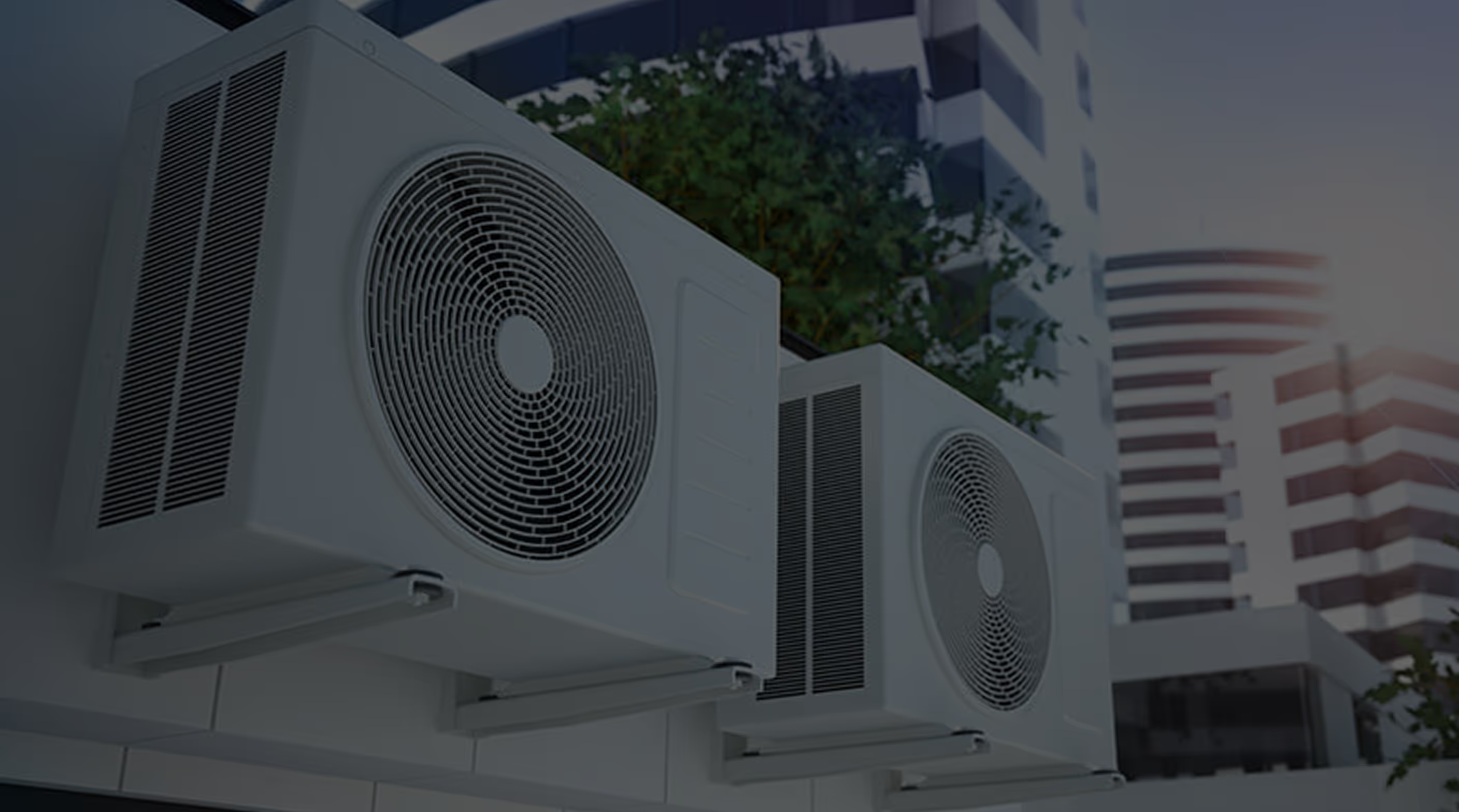
Mini Split Replacement in Mountain View, CA
Plum HVAC provides complete mini split replacement services in Mountain View, CA, helping homeowners upgrade to modern, high-efficiency heat pump systems with confidence. Our team helps you determine when replacement is the smarter choice over continued repairs, explains current energy-efficient model features, and ensures each system is properly sized for the room or zone it will serve.
We manage the entire replacement process—from equipment selection and responsible disposal or recycling of old units to rebate guidance, financing options, and clear warranty support. After installation, we perform full system testing and commissioning, followed by maintenance recommendations that keep your new mini split operating at peak comfort, efficiency, and performance for years to come.
%2520(1)-min%2520(1).jpeg)
Mini Split Replacement in Mountain View, CA
Replacing a mini split system is an important choice for Mountain View homeowners looking for dependable comfort, lower energy costs, and a modern heat pump that performs well in the local climate. In an area with warm, dry summers and cool, damp winters, aging mini splits often lose efficiency or struggle to keep humidity in check.
Plum HVAC guides homeowners through the full replacement process—helping determine when replacement is more practical than repair, selecting high-efficiency models, and ensuring each system is correctly sized for its room or zone. Our team handles responsible disposal and recycling, provides support with available rebates and financing, and offers clear warranty information. After installation, we complete thorough testing and commissioning so your new system delivers optimal performance, comfort, and long-term efficiency.
When to Replace vs Repair
Know when replacement typically makes sense:
- Age and lifecycle: Most mini split systems last 10–15 years. If the unit is over 10 years and needs frequent repairs, replacement is usually more cost-effective.
- Repeated compressor or refrigerant failures: Multiple refrigerant leaks or compressor failures indicate underlying issues where replacement is recommended.
- Severely reduced efficiency: If monthly energy bills have risen and diagnostics show a major efficiency drop, a new high-efficiency unit can pay back in energy savings.
- Obsolete refrigerant or parts: Older units using phased-out refrigerants or hard-to-find components justify replacement for serviceability and compliance.
- Undersized or improperly installed systems: If comfort problems stem from poor sizing or installation, replacing with a properly sized, modern system is a long-term solution.
Common Mini Split Problems in Mountain View Homes
- Inadequate cooling during summer afternoon heat spikes
- Short-cycling or frequent on/off cycles
- Poor heating performance on cooler nights
- Refrigerant leaks and related performance loss
- Failed inverter compressors or electronic control failures
- Indoor air imbalance or poor humidity control
Choosing Energy-Efficient Mini Split Models
Focus on these features for energy efficiency and comfort:
- High SEER and HSPF ratings: Higher SEER (cooling) and HSPF (heating) equal lower operating costs. Look for models with top-tier efficiency for California climate benefits.
- Inverter-driven compressors: Variable-speed compressors adjust output to load, reducing cycling and providing steadier comfort.
- Multi-zone capability: Allows independent temperature control for different rooms, improving efficiency in partially occupied homes.
- Advanced controls: Programmable thermostats, occupancy sensors, and Wi-Fi-enabled controls help manage runtime and energy use.
- Low ambient performance: For consistent winter heating, choose units optimized for low-temperature operation.
Sizing Guidance for Rooms or Zones
Proper sizing is critical. Incorrect sizing causes comfort issues and wasted energy. Recommended approach:
- Professional load calculation (Manual J): This is the only reliable way to size a mini split for your home. It accounts for insulation, windows, orientation, occupancy, and local climate.
- Ballpark guidelines (for quick reference only):
- Small bedrooms: ~6,000–9,000 BTU
- Medium rooms or small living areas: ~9,000–12,000 BTU
- Larger living rooms or open-plan areas: ~12,000–24,000+ BTU or multi-head systems
- Line length and capacity matching: Consider the required outdoor-to-indoor line lengths and manufacturer limits when planning multi-zone systems.
Replacement Process: What to Expect
A thorough mini split replacement follows these stages:
Initial assessment and load calculation: Evaluate existing system, ductless layout, and perform Manual J load calculation to select correct capacity and zones.
Permitting and planning: Prepare electrical upgrades if needed and obtain required local permits per California codes.
Removal of old equipment: Safely disconnect electrical power and recover refrigerant in compliance with EPA regulations, then remove indoor and outdoor units.
Electrical and refrigerant work:
- Upgrade or install proper disconnects, breakers, and wiring sized to new unit requirements.
- Run refrigerant lines and ensure correct insulation and routing.
- Refrigerant recovery and disposal handled by EPA-certified technicians.
Mounting and installation:
- Secure indoor heads and outdoor condenser on rated mounts or pads.
- Connect condensate drains and ensure proper slope and termination.
Evacuation and charging:
- Vacuum the refrigerant lines to remove moisture and air.
- Charge the system per manufacturer specifications and local code.
Controls and commissioning:
- Configure thermostat settings, Wi-Fi, and zone controls.
- Run commissioning tests and make final adjustments.
Disposal and Recycling of Old Units
California has strict rules for refrigerant handling and appliance disposal. Proper steps include:
- Recovering refrigerant to certified recovery cylinders
- Recycling metal and plastics through approved appliance recycling channels
- Disposing of remaining waste per local hazardous waste regulations
- Providing documentation of refrigerant recovery for compliance
Rebates, Financing, and Incentive Considerations
Mountain View homeowners can often access multiple financial incentives:
- Local utility and state incentives: Energy efficiency and heat pump rebates from state or regional programs may reduce upfront costs.
- Federal tax credits: Some installations may qualify for federal credits for electrification and energy-efficient HVAC — eligibility varies by program year and home criteria.
- Financing options: Many installers and third-party lenders offer financing plans to spread investment over time. Always verify current program availability and eligibility for Mountain View addresses and energy usage profiles.
Warranty Information
Warranty coverage typically includes:
- Compressor warranty: Manufacturer-backed warranties often range from 5 to 10 years for compressors on high-efficiency units.
- Parts warranty: Commonly 1–5 years depending on model and manufacturer.
- Labor/installation warranty: Installer-provided labor warranties usually cover workmanship for 1–2 years; terms vary. Register your system with the manufacturer to ensure warranty activation and keep installation records for any future claims.
Post-Installation Testing and Commissioning
Thorough commissioning ensures peak performance:
- Leak and pressure checks to verify refrigerant integrity
- Operational tests for heating and cooling across modes
- Airflow and temperature split checks to confirm proper capacity and distribution
- Electrical checks to measure amperage draw and verify safe wiring
- Control verification for thermostats, schedules, and Wi-Fi features
- Owner orientation to show how to use controls, filter access, and basic maintenance
Long-Term Benefits and Maintenance Advice
Replacing an outdated mini split delivers:
- Lower monthly energy bills
- Improved comfort and humidity control
- More reliable performance and fewer service calls
- Better indoor air quality with modern filtration
Maintenance tips to protect your investment:
- Clean or replace filters every 1–3 months
- Keep outdoor unit clear of debris and maintain 2–3 feet of clearance
- Schedule annual maintenance checks, including coil cleaning and system diagnostics
- Monitor seasonal performance and address issues early to avoid major repairs
A properly planned mini split replacement in Mountain View, CA, tailored to local climate and home needs, delivers durable comfort, higher efficiency, and compliance with environmental and refrigerant regulations. Professional load calculations, EPA-compliant refrigerant handling, and manufacturer-backed equipment choices are the foundations of a successful replacement.
hear what our satisfied clients have to say

.svg)
Service areas
.avif)