
Mini Split Tune-Up in Mountain View, CA
For Mountain View mini split systems, seasonal maintenance isn't just a recommendation—it's essential for maintaining comfort, efficiency, and reliability. Our Plum HVAC technicians tackle common local issues with a thorough diagnostic process, following a comprehensive tune-up checklist. This includes visual inspections, meticulous filter cleaning, crucial refrigerant checks, electrical safety inspections, and performance testing, all meticulously documented. We'll also pinpoint any potential upgrades that could boost your system's efficiency and explain the benefits you can expect for both single-head and multi-head systems. Our goal is to help you enjoy improved comfort, superior air quality, and consistent operation, especially during those peak seasons.
Mini Split Tune-up in Mountain View, CA
Maintaining a ductless mini split system keeps your home comfortable, efficient, and healthy year-round. In Mountain View, CA, where late-spring and summer heat waves and occasional wildfire smoke increase system demand, a professional mini split tune-up prevents mid-season breakdowns and preserves indoor air quality. This page explains what a standard mini split tune-up includes, common local issues, the diagnostic process technicians use, recommended repairs or efficiency upgrades, and the clear benefits of seasonal maintenance for Mountain View homes.
Why a seasonal mini split tune-up matters in Mountain View, CA
Mountain View’s Mediterranean climate means warm, dry summers with periodic high-heat days and mild, damp winters. Those conditions create two challenges:
- Higher cooling loads during heat waves strain compressors and refrigerant circuits.
- Bay Area dust, pollen, and occasional wildfire smoke raise indoor particulate levels, clogging filters and coils faster than in less exposed areas.
A timely tune-up reduces energy use during peak cooling demand, improves humidity control, and helps maintain healthy indoor air—especially important for households with allergies, sensitive occupants, or home offices where uninterrupted comfort matters.
Common mini split problems in Mountain View homes
Homeowners in Mountain View typically see these issues if regular maintenance is neglected:
- Reduced airflow from clogged filters and dirty evaporator coils
- Decreased cooling capacity due to incorrect refrigerant charge or slow leaks
- Short cycling or frequent on/off operation from electrical or control faults
- Unusual noises caused by loose mounting, fan imbalance, or compressor stress
- Water overflow from blocked condensate drains or improper condensate pan slope
- Thermostat or remote control calibration and communication problems
- Accelerated wear from outdoor unit exposure to dust and occasional salt in coastal breezes
What a standard mini split tune-up includes
A professional tune-up follows a systematic checklist to restore performance and document findings. Typical components include:
- Visual inspection
- Indoor head(s), outdoor condenser, mountings, and refrigerant lines for damage, corrosion, or pests
- Drain pan and condensate drain line for blockages and proper slope
- Cleaning and filter service
- Remove and clean washable filters; replace disposable filters if needed
- Clean indoor coil fins and blower wheel to restore airflow and heat transfer
- Outdoor coil and area cleaning
- Clear debris, leaves, and dust from the outdoor condenser coil and surrounding area
- Straighten bent fins and check for foreign-object damage
- Refrigerant and pressure checks
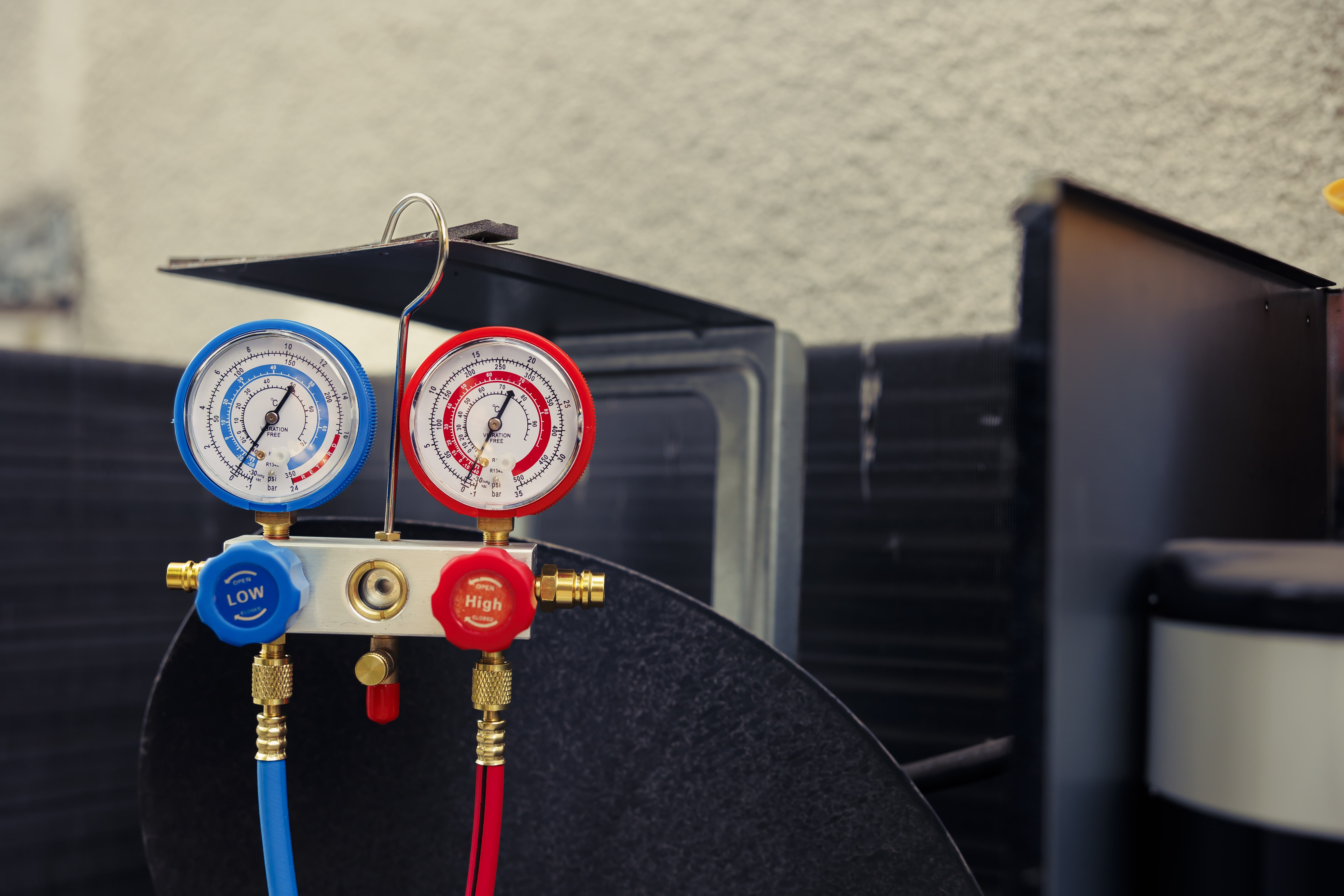
- Measure operating refrigerant pressures and temperatures to assess charge
- Identify signs of leaks or under/overcharge conditions and document findings
- Electrical and control inspection
- Tighten terminals, inspect contactors and capacitors for wear
- Verify proper wiring, safety switches, and ground continuity
- System performance testing
- Verify correct refrigerant temperature split and measure system capacity with instrumented readings
- Test indoor blower speeds, outdoor fan operation, and compressor startup current
- Evaluate thermostat/remote control response and sensor calibration
- Drainage and condensate protection
- Clear condensate traps, ensure trap integrity, test condensate pump if present
- Check for mold or algal growth in drain pans and recommend sanitization if needed
- Documentation and recommendations
- Provide a written report listing findings, prioritized repair recommendations, and efficiency upgrade suggestions
Diagnostic process explained (what technicians actually do)
Technicians take a methodical approach so you understand the condition of your mini split:
- Start with a system history and visible inspection to identify obvious issues.
- Run the system through a full cooling and heating cycle while measuring temperatures and pressures at key points.
- Compare measured pressures and electrical values to manufacturer specs to detect leaks, overloads, or failing components.
- Clean components to restore baseline performance and retest to quantify improvements.
- Compile observations and recommended next steps—repair items, parts that need replacement soon, and efficiency upgrades that provide the best ROI for Mountain View energy rates.
Typical recommendations and efficiency upgrades
A tune-up often uncovers opportunities to improve efficiency and comfort. Common recommendations include:
- Replace washable or higher-MERV filters to address wildfire smoke and Bay Area allergens
- Repair refrigerant leaks and properly recharge to factory-specified levels
- Replace worn capacitors, contactors, or fan motors to prevent failure during heat events
- Install or recalibrate smart controllers or zoning accessories for finer temperature control and reduced runtime
- Add UV or air-scrubbing options for homes sensitive to smoke or biological contaminants
- Improve outdoor unit clearance and airflow with simple landscaping adjustments
Benefits of regular seasonal tune-ups
Scheduling seasonal mini split tune-ups offers measurable benefits for Mountain View homeowners:
- Improved efficiency and lower utility use during high-demand months
- Greater comfort and more consistent temperature control
- Longer system lifespan and fewer emergency repairs during heat waves
- Better indoor air quality—important with wildfire smoke episodes and regional pollen
- Documentation that supports warranty compliance and property value
Estimated duration and what to expect
- Single-head mini split tune-up: typically 60 to 90 minutes
- Multi-head (multi-zone) systems: typically 90 to 180 minutes depending on the number of indoor units and the level of cleaning requiredTechnicians generally bring the tools for testing and cleaning, perform performance verification, and provide a written report summarizing findings and recommended repairs for your records.
Seasonal maintenance tailored for Mountain View conditions keeps ductless systems reliable, efficient, and clean. Regular tune-ups protect comfort and indoor air quality while helping to avoid inconvenient mid-season failures.
hear what our satisfied clients have to say

.svg)
Service areas
.avif)