
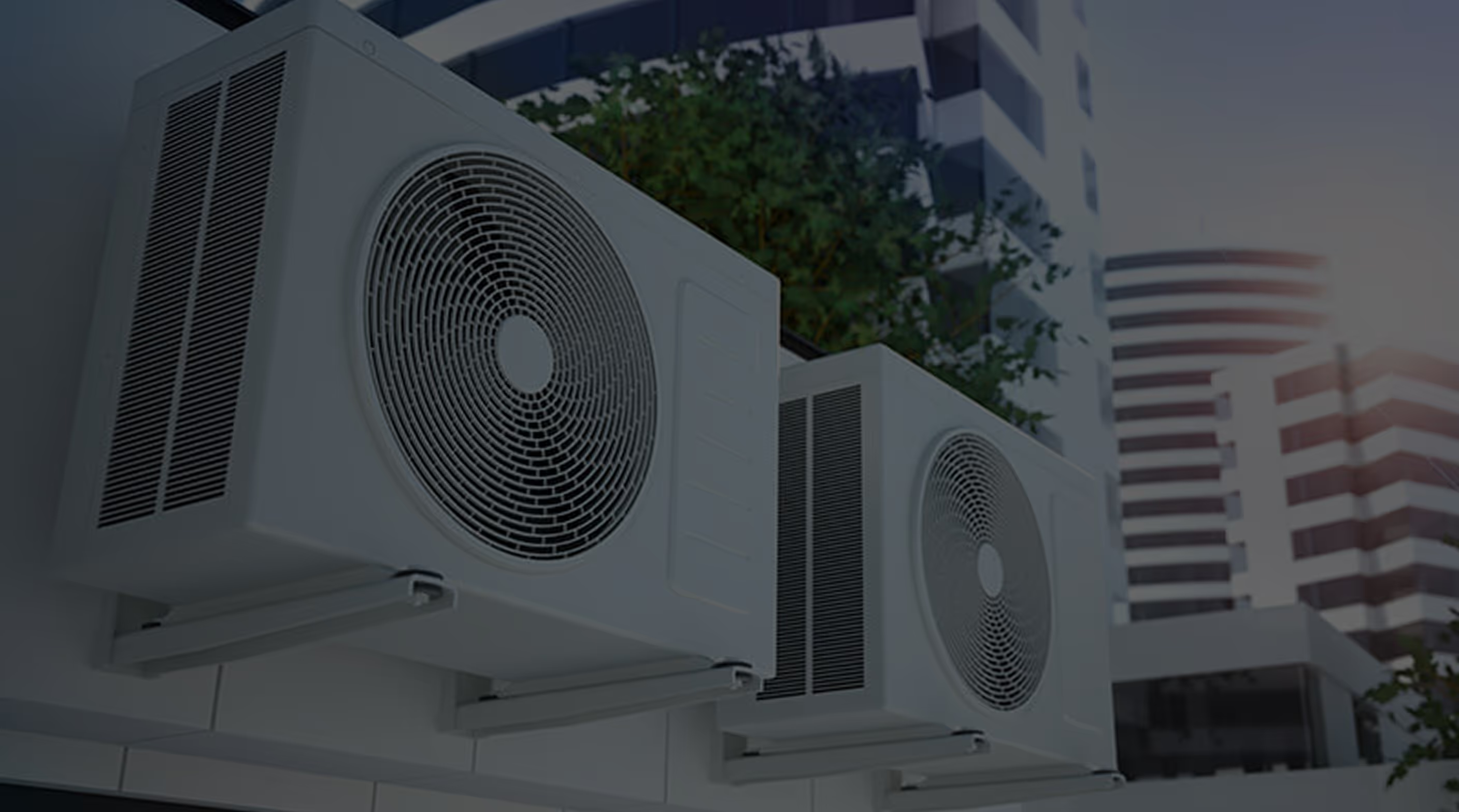
Mini Split Repair in Mountain View, CA
Plum HVAC provides dependable mini-split repair services in Mountain View, CA, focused on restoring comfort quickly and ensuring your system runs efficiently. Our technicians pinpoint issues fast, explain the repair plan clearly, and work to get your heating or cooling back on track with minimal disruption. We address the full range of common mini-split problems—including refrigerant leaks, compressor or fan failures, electrical and control faults, and drainage blockages—using thorough diagnostic steps and proven repair methods. Homeowners receive transparent timelines, cost insights, and guidance on warranty considerations, along with support for both routine and emergency service needs. We also offer proactive maintenance recommendations to help prevent future breakdowns and extend the life of your system.
%2520(5)-min%2520(1).jpeg)
Mini Split Repair in Mountain View, CA
Mini split repair in Mountain View, CA is focused on restoring reliable, efficient cooling and heating for homes and small businesses in a region where mild winters and warm summers make year-round comfort important. Whether your system serves a compact Silicon Valley condo, a modern retrofit, or an office suite, timely diagnosis and repair prevents higher energy bills, preserves indoor air quality, and avoids costly component failure.
Common mini split repair issues in Mountain View, CA
Homeowners and property managers in Mountain View commonly see the following problems:
- Refrigerant leaks (low cooling performance, hissing sounds, ice on the evaporator coils). Leaks accelerate wear on the compressor and reduce efficiency.
- Compressor failure (no cooling, loud noises, frequent cycling). Compressors are the most expensive component to replace.
- Indoor or outdoor fan motor faults (reduced airflow, vibrations, unusual noises).
- Electrical faults (tripped breakers, intermittent power, failed capacitors, wiring issues).
- Sensor and thermostat problems (incorrect temperature readings, short cycling).
- Clogged filters and condensate drains (reduced airflow, water leaks, bacterial growth).
- Inverter board or control board failures (system error codes, inability to start).
- Freeze-ups due to airflow or refrigerant issues (reduced performance, potential compressor damage).
Local factors in Mountain View - such as heavy use during warm months, dust from nearby landscapes, and compact installations in multi-family properties - increase the likelihood of airflow and condensate problems and make fast, effective repair important.
Diagnostic process: what technicians check
A structured diagnostic approach isolates root causes quickly and avoids unnecessary parts replacement:
- Visual inspection of indoor and outdoor units for physical damage, wiring issues, and drainage problems.
- Airflow and filter check to confirm adequate blower performance and rule out simple clogs.
- Electrical testing including voltage, current draw, capacitor and relay function.
- Refrigerant system checks using pressure gauges and electronic leak detectors to find leaks and assess charge.
- Operational tests to observe compressor startup, fan operation, and any error codes from the control board.
- Component-specific testing for inverters, sensors, and thermostats when symptoms point to control issues.
Diagnostics typically produce a clear repair plan that lists required parts, estimated labor, and safety or permitting steps.
Typical repair procedures and parts replacement
Common repairs and what they involve:
- Refrigerant leak repair and recharge
- Locate and repair leak points (fittings, brazed joints, or coils).
- Evacuate, vacuum, and recharge the system to manufacturer specs (technician must handle refrigerant according to regulations).
- Test for proper pressures and performance after recharge.
- Compressor replacement
- Recover refrigerant, remove and replace the compressor, vacuum and recharge the system, and validate operation. May require replacement of driers and rebraze work.
- Fan motor or blower repair
- Replace ECM or PSC motors, bearings, or fan assemblies and balance fans to reduce vibration.
- Electrical and control board repairs
- Replace capacitors, contactors, fuses, or inverter/control boards and reprogram or reset system parameters.
- Sensor replacement
- Swap out faulty temperature or pressure sensors and recalibrate system controls.
- Drain and coil cleaning
- Clear condensate lines, clean drain pans, and remove debris from coils to restore airflow and prevent leaks.
Parts commonly replaced include compressors, fan motors, capacitors, control boards, expansion valves, TXV or metering devices, capacitors, and sensors. Where possible, OEM parts preserve system longevity; compatible alternatives can be used when original parts are unavailable.
Estimated timelines and cost factors
Typical timeframes for common service types (times are general estimates and can vary based on access and parts availability):
- Diagnostic visit: 30 minutes to 1.5 hours onsite for full testing and quoting.
- Minor repairs (filter changes, electrical resets, condensate clearing): same-day, 30 minutes to 3 hours.
- Mid-level repairs (fan motor replacement, sensor swap, control board repair): 2 to 6 hours, often same-day if parts in stock.
- Major repairs (compressor replacement, refrigerant leak repair with brazing): 4 to 8+ hours; may span multiple visits if parts or refrigerant are special-order.
Cost is influenced by factors such as system size, accessibility of units (rooftop or high-wall indoor units), whether OEM parts are required, refrigerant type, and whether brazing or electrical upgrades are necessary. California regulations and certified refrigerant handling (recovery and documentation) also affect procedures and timelines.
Warranty and safety considerations
- Refrigerant handling must comply with federal and state regulations and should only be performed by technicians certified for refrigerant recovery.
- Electrical work should be performed by licensed professionals to meet local code and safety requirements.
- Many parts carry manufacturer warranties; labor warranties vary by provider. Repairs that involve replacing sealed components like compressors often require replacing associated items (receiver/drier, service valves) to maintain warranty and system integrity.
- For systems under remaining manufacturer warranty, using non-OEM parts or unlicensed work can void coverage; confirm warranty terms before proceeding.
- Proper personal protective equipment and safe work practices (lockout-tagout, proper brazing procedures, refrigerant capture) protect occupants and technicians.
Emergency vs routine repair visits and what to expect
Emergency repair scenarios in Mountain View include persistent refrigerant hissing, visible oil on coils, smoke or burning smells, complete system failure during extreme heat, or water intrusion causing immediate property damage. Emergency responses prioritize safety (electrical shutdown, water mitigation) and temporary measures to protect the system until full repair is possible.
Routine visits address non-urgent issues: scheduled diagnostics, seasonal performance tuning, and planned component replacement. Routine maintenance reduces emergency calls by catching wear early and optimizing efficiency.
Maintenance tips to reduce future breakdowns
- Replace or clean filters every 1 to 3 months depending on use.
- Keep outdoor units free of debris and vegetation to maintain airflow.
- Schedule annual preventive checks before the heavy-use season to verify refrigerant charge, electrical connections, and coil cleanliness.
- Ensure condensate drains are clear and sloped properly to avoid water damage.
- Use certified technicians for repairs to ensure correct refrigerant handling and code-compliant electrical work.
Timely mini split repair in Mountain View, CA protects comfort, preserves efficiency, and extends system life. Addressing small issues early prevents costly failures and helps keep indoor environments healthy and predictable throughout the year.
hear what our satisfied clients have to say

.svg)
Service areas
.avif)