
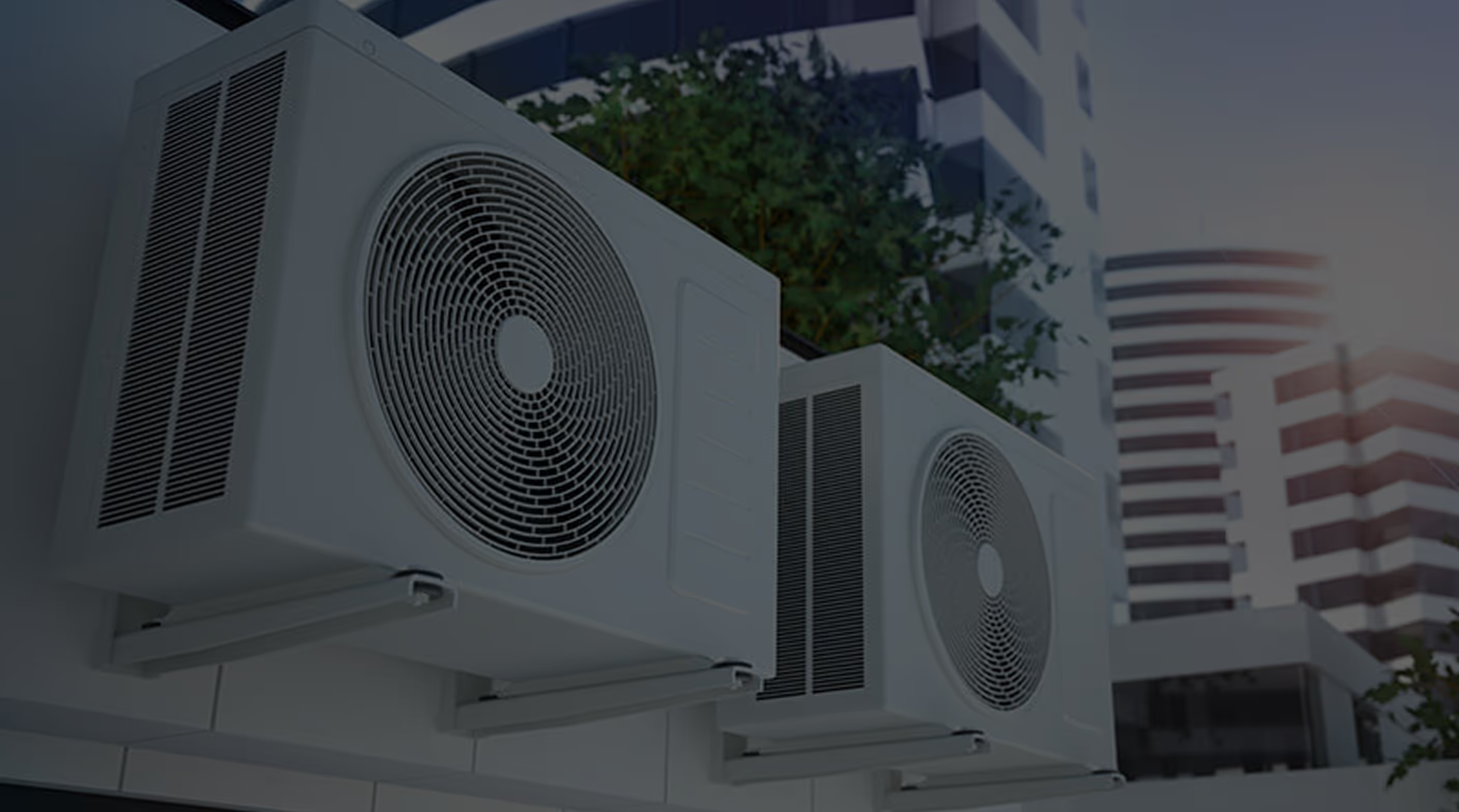
Heat Pump Tune-Up in Mountain View, CA
Plum HVAC offers a professional heat pump tune-up tailored for Mountain View homes. We explain why annual maintenance matters in the Santa Clara Valley, detail the comprehensive checklist performed (coils, refrigerant, safety controls, thermostats, and performance measurements), and describe typical duration and cost drivers. Seasonal timing suggestions, documentation of results, and clear follow-up recommendations help homeowners maximize efficiency, reduce outages, and extend heat pump life while maintaining comfort throughout mild Mountain View weather for long-term energy savings and reliable year-round comfort.

Heat Pump Tune-up in Mountain View, CA
A focused heat pump tune-up keeps your system running efficiently, reduces unexpected breakdowns, and extends equipment life—especially important in Mountain View homes where mild year-round temperatures and bay-area microclimates mean your heat pump often handles both heating and cooling tasks. This page explains exactly what a professional tune-up includes, how long it takes, what affects cost, seasonal timing tailored to Mountain View, the documented results you will receive, and practical follow-up recommendations to maximize efficiency and reliability.
Why a dedicated heat pump tune-up matters in Mountain View, CA
Heat pumps in the Santa Clara Valley face unique conditions: moderate year-round use, occasional coastal humidity and fog near the bay, and air quality changes from seasonal fires or dust. These factors can accelerate dirt buildup, increase cycling, and cause occasional corrosion on outdoor components. A focused tune-up addresses these local risks, ensuring stable comfort and efficient operation through the mild winters and warm summers typical of Mountain View.
What a complete heat pump tune-up includes
A tune-up is a targeted service that confirms the system operates safely and efficiently. Typical checklist items performed during a tune-up:
- Visual inspection of outdoor and indoor units
- Check for corrosion, refrigerant line insulation damage, insect/nest buildup, and proper clearances around the outdoor unit.
- Cleaning coils and outdoor fins
- Remove dirt, pollen, and debris from evaporator and condenser coils to restore heat transfer performance.
- Checking and topping refrigerant (if needed)
- Measure system pressures to confirm correct refrigerant charge. Identify signs of leaks that require repair.
- Inspecting electrical components and safety controls
- Test contactors, capacitors, wiring connections, and breakers for wear, overheating, or loose connections.
- Testing and calibrating thermostats and control settings
- Verify accurate temperature sensing, correct mode switching, and schedule settings for comfort and efficiency.
- Measuring system performance
- Record operating temperatures, airflow, compressor amperage, and run-time to confirm expected capacity and efficiency.
- Checking reversing valve and defrost cycle (heat pump-specific)
- Ensure reliable transition between cooling and heating modes and proper defrost operation in colder conditions.
- Inspecting blower components and filters
- Evaluate blower wheel, motor operation, and recommend filter replacement or upgrades to optimize airflow.
- Drainage and condensation checks
- Clear condensate drains and check pans to prevent water damage and microbial growth.
- Report and recommendations
- Provide a documented checklist of findings, measured values, and prioritized follow-up items.
Typical duration and cost factors
- Expected duration
- Most single-system tune-ups take about 60 to 90 minutes for standard split systems. Larger or multi-zone systems, package units, or properties with restricted access may require 90 to 120 minutes.
- What affects cost
- System type and age (older systems often need more labor and parts)
- Accessibility of outdoor and indoor units
- Whether refrigerant needs to be added or a leak repaired
- Required replacement parts (filters, capacitors, contactors)
- Size and configuration of ductwork or zoning components
Avoid focusing only on price—ask for a documented scope and a clear explanation of any recommended repairs so you can compare value and expected savings from efficiency improvements.
Seasonal timing recommendations for Mountain View homeowners
- Fall (late September to November) — Ideal for a tune-up before the heating season. Ensures efficient heating, catches reversing/defrost issues, and prepares the system for cooler nights.
- Spring (March to May) — Prepares the system for summer cooling. Cleaning coils and verifying refrigerant levels before warm weather helps prevent midseason performance drops.
- Frequency
- Annual tune-ups are recommended for most homes. Consider two tune-ups per year for older systems, homes with heavy year-round usage, or units exposed to coastal fog or corrosive environments.
What documented results look like
After the tune-up you should receive a clear, written summary that includes:
- A completed checklist of performed tasks
- Measured performance data (room temps, refrigerant pressures, airflow notes, amperage)
- Identified issues classified by urgency (safety, efficiency, preventive)
- Cost estimates and recommended timeline for any repairs or part replacements
- Practical tips to maintain performance between visits (filter type/filter change frequency, ideal thermostat settings, airflow tips)
This documentation lets you compare performance over time, confirm repairs are necessary, and track efficiency improvements after maintenance.
Common issues found during tune-ups and typical remedies
- Dirty coils and reduced capacity
- Remedy: Coil cleaning and fin straightening to restore heat transfer.
- Low refrigerant from small leaks
- Remedy: Leak detection and repair followed by correct refrigerant recharge; note that repairs are essential to prevent recurring loss.
- Electrical wear or failing capacitors
- Remedy: Replace unsafe or failing electrical components to prevent sudden compressor or fan failures.
- Poor airflow from clogged filters or duct leaks
- Remedy: Filter replacement and duct inspection/sealing recommendations.
- Thermostat miscalibration
- Remedy: Recalibrate or replace thermostats, verify control logic for heat pump operation.
Follow-up recommendations to maximize efficiency and reliability
- Use high-quality pleated filters and replace them on the schedule suggested in your tune-up report.
- Keep the outdoor unit clear of landscaping, leaves, and any obstruction; aim for several feet of clearance on all sides.
- Consider duct sealing and basic insulation upgrades if airflow or room-by-room comfort problems persist.
- If your system is older, prioritize replacing failing components that restore efficiency (capacitors, contactors, reversing valves) before the busy season.
- Track results: compare pre- and post-tune-up performance data from your report to measure efficiency gains and reduced cycle times.
A professional tune-up tailored to Mountain View conditions protects comfort, reduces energy waste, and lowers the chance of off-season failures. The documented results and prioritized recommendations you receive after service make ongoing planning and budgeting straightforward, ensuring your heat pump continues to deliver efficient year-round comfort in Mountain View homes.
hear what our satisfied clients have to say

.svg)
Service areas
.avif)