

Thermostat Installation in Mountain View, CA
Thermostat installation in Mountain View, CA delivers a comprehensive service focused on selecting appropriate programmable or digital models, ensuring safe wiring, and optimizing system compatibility for reliable daily control. The process begins with an on-site assessment of current equipment, wiring, and location, followed by careful mounting, wiring checks, and system testing. Technicians provide basic programming guidance and user training, plus post-install support and upgrade options to Wi-Fi-enabled or smart thermostats for ongoing comfort and energy savings.
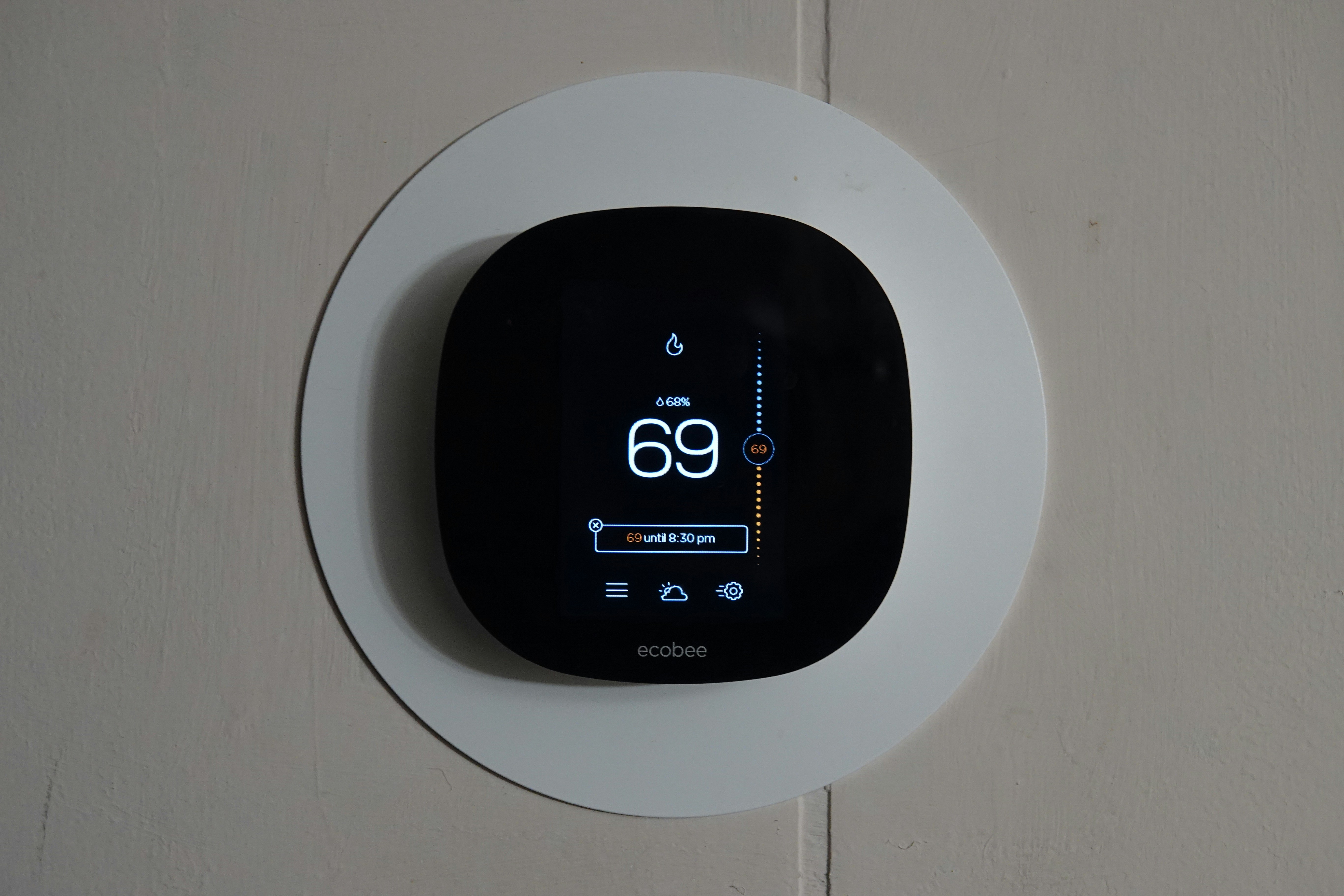
Thermostat Installation in Mountain View, CA
Upgrading or replacing a thermostat is one of the fastest ways to improve home comfort, reduce energy use, and get the most from your heating and cooling equipment. Thermostat installation in Mountain View, CA focuses on matching the right basic programmable or digital model to your home’s HVAC system, ensuring safe wiring and compatibility, and leaving you comfortable with how the new control works. In a region with mild winters, occasional heat peaks, and rising energy costs, the right thermostat helps balance year-round comfort with real energy savings.
Why a proper thermostat matters in Mountain View homes
Mountain View’s climate generally means more emphasis on cooling efficiency during warm spells and comfortable heating when needed. Older or improperly installed thermostats can cause uneven temperature control, short cycling of equipment, inaccurate readings, and higher utility bills. A correct installation tailored to your HVAC type prevents equipment stress, improves comfort in multi-zone homes, and helps you take advantage of programmable setback schedules that suit local living patterns.
Common thermostat issues we address
- Inaccurate temperature readings or large differences between rooms
- Thermostat that won’t power on or loses power (often missing C-wire)
- Short cycling or frequent on/off cycles from incorrect wiring or settings
- Incompatibility with heat pump systems or zoned HVAC configurations
- Poor thermostat placement causing false triggers (sunlight, drafts, adjacent appliances)
- Confusing controls or lack of basic scheduling leading to wasted energy
Types of thermostats offered
- Basic programmable thermostats: simple schedules (weekday/weekend or 7-day), easy-to-read displays, energy-saving setback features. Ideal for homeowners who want straightforward automatic control without added complexity.
- Digital thermostats: improved display clarity, more precise temperature control, and expanded programming options compared with legacy mechanical units. These models are suited to most central heating and cooling systems found in Mountain View homes.
Upgrade options and advanced models are available if you later decide to move to Wi-Fi enabled or smart thermostats for remote control, energy reports, or integration with home automation systems.
Consultation and system assessment
A proper installation begins with an on-site consultation. The technician will:
- Review your current HVAC equipment type (furnace, air conditioner, heat pump, ductless mini-split, zoned system)
- Inspect the existing thermostat, wall location, and wiring bundle to identify the presence of a C-wire, power sources, and any hybrid controls
- Evaluate wiring compatibility and the need for adapters or a common wire solution
- Discuss your daily schedule, comfort preferences, and energy goals to recommend a basic programmable or digital model that best fits your home
This step prevents common mismatches and ensures the selected thermostat will control your system reliably.
Professional installation process
- Preparation and safety: power to the HVAC system is turned off at the breaker to prevent damage to the control board or the new thermostat.
- Old thermostat removal: the technician documents and labels each wire termination to ensure correct reconnection. Photographs or wiring notes are used for accuracy.
- Wiring and compatibility checks: line and control voltages are measured, and specific HVAC wiring (R, C, W, Y, G, O/B) is verified. If a missing C-wire is detected, options are discussed—such as installing a dedicated common wire, using a power extender, or selecting a compatible low-power model.
- Mounting and connections: the new thermostat base is mounted level on the wall, wires connected to the appropriate terminals, and the device is secured. Proper placement is confirmed so the thermostat won’t be affected by direct sunlight, drafts, or nearby heat sources.
- System tests: heat, cool, fan, and emergency controls are engaged to confirm correct response from the HVAC equipment. Short-cycle protection and delay features are checked where applicable.
- Basic programming and user training: your technician programs an initial schedule based on your preferences, demonstrates how to manually override settings, and explains how to change schedules or temperatures. For digital models, they show how to read the display, check system status, and replace batteries if used.
Wiring and compatibility considerations
- C-wire presence: many modern digital thermostats require a common (C) wire for continuous 24V power. If absent, we evaluate safe and reliable options that do not harm your control board.
- Heat pump and dual-fuel systems: thermostats must be configured specifically for heat pump reversing valve control (O/B) and for systems that switch between electric and gas heat. Incorrect setup can cause equipment damage.
- Zoned systems and multiple stages: multi-stage compressors or zoning panels need a thermostat compatible with the number of stages and zone controls.
Warranty and post-installation support
Professional thermostat installation includes workmanship protection and basic diagnostic follow-up. After installation you can expect:
- Verification of proper operation during the install and immediate troubleshooting if issues arise
- Guidance on maintaining settings for seasonal changes and energy savings
- Post-installation support for questions about programming, performance, or basic adjustments
Warranty coverage on parts or work varies by product and installer; common provisions include repair or rework for installation-related problems discovered after setup.
Benefits for comfort and energy savings
- Consistent indoor temperature with fewer hot or cold spots
- Reduced HVAC runtime through efficient scheduling and setback periods
- Extended equipment life by preventing short cycling and unnecessary wear
- Improved indoor comfort control for different daily patterns common to Mountain View households
- Potential to lower monthly energy costs by optimizing heating and cooling use
Maintenance and upgrade options
- Seasonal checkups: confirming thermostat sensing accuracy and system response before heat or cooling seasons helps maintain efficiency.
- Battery replacement and cleaning: for battery-powered models, regular replacement and contact cleaning avoid intermittent operation.
- Future upgrades: if your household later needs remote access, energy reporting, or integration with home automation, an upgrade path to Wi-Fi or smart thermostats can be planned with compatibility checks for your existing HVAC equipment.
Thermostat installation in Mountain View, CA is a targeted home improvement that delivers immediate comfort improvements and measurable energy benefits when done correctly. Proper assessment, wiring verification, careful installation, and simple user training ensure your basic programmable or digital thermostat performs reliably year-round. With attention to local climate patterns and system compatibility, the right thermostat helps Mountain View homeowners stay comfortable while managing energy use effectively.
hear what our satisfied clients have to say

.svg)
Service areas
.avif)