
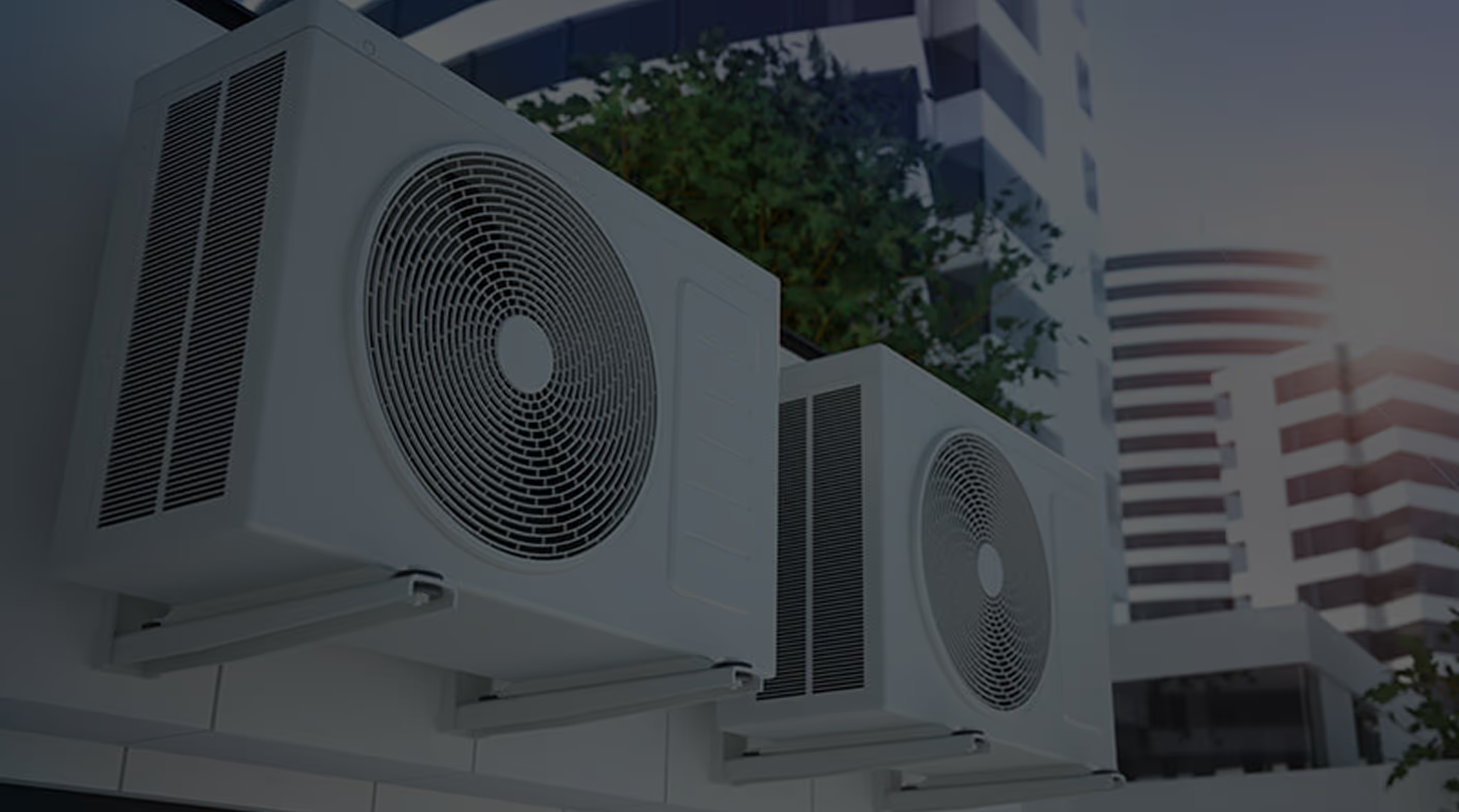
Mini Split Installation in Mountain View, CA
Mountain View homeowners planning a mini split installation will find a comprehensive overview of the process and expectations, from initial site assessment and load calculations to system selection and final commissioning. Our guide covers single-zone versus multi-zone options, optimal indoor and outdoor placement, line-set routing, condensate management, electrical hookups, and permitting requirements. We also outline a typical install timeline, warranty details, maintenance tips, and the enduring benefits of energy-efficient, zoned comfort tailored to Bay Area homes.
%2520(1)-min.jpeg)
Mini Split Installation in Mountain View, CA
Mini split installation in Mountain View, CA provides targeted, energy-efficient heating and cooling that suits the region's mild Mediterranean climate and the diverse home styles found in the Bay Area. Whether you want consistent comfort in a sun-facing living room, quiet cooling for a home office, or supplemental heating for a converted garage, a properly planned and installed ductless mini-split delivers zoned climate control without major remodeling. This page explains the full installation process, common issues to avoid, local compliance considerations, and what homeowners in Mountain View should expect on install day.
Why choose a mini split for Mountain View homes
- Zoned comfort: Control temperatures room-by-room to match occupancy patterns in homes with open floor plans or converted spaces.
- Energy efficiency: Modern inverter-driven compressors use less electricity during moderate Bay Area summers and milder winters.
- Minimal disruption: No ductwork means quicker installs and less impact on historic or compact homes common in Mountain View.
- Quiet operation: Indoor units run discreetly, ideal for home offices and bedrooms near busy streets.
Common mini split issues in Mountain View and how installation prevents them
- Undersized or oversized systems: Improper sizing leads to short cycling, poor humidity control, and inefficiency. Accurate load calculation prevents this.
- Poor placement and airflow restrictions: Wrong indoor unit placement causes uneven comfort and noise complaints.
- Improper line-set routing and condensate handling: Bad routing can cause leaks, visible lines, or drainage problems that lead to stains or mold.
- Electrical and permit noncompliance: California and local requirements mean incorrect electrical work or missing permits can lead to failed inspections or voided warranties.
- Aesthetic concerns: Visible refrigerant lines and outdoor unit noise are common homeowner worries without proper planning.
Site assessment and load calculation
A thorough site assessment starts with these priorities:
- Room-by-room load calculation using industry-standard methods to determine required capacity and zoning needs.
- Review of building envelope, sun exposure, insulation levels, and typical occupancy patterns in Mountain View homes.
- Identification of mounting locations for indoor heads and outdoor condensers that balance airflow, noise, and visual impact.
Accurate load calculation is critical in Mountain View where mild but variable temperatures and solar gain from west- or south-facing windows significantly influence performance.
System selection: single-zone vs multi-zone options
- Single-zone systems: Best for individual rooms, garages, ADUs, or where one area needs independent control.
- Multi-zone systems: Ideal for whole-home comfort in older houses or properties with several rooms needing tailored temperatures without ductwork.
Selection considerations include capacity, number of heads, inverter efficiency (SEER/HSPF ratings), refrigerant type, noise ratings, and manufacturer warranty terms. In Mountain View, choosing systems optimized for both cooling and modest heating performance is typical due to seasonal variability.
Placement and aesthetic considerations
- Indoor unit placement should prioritize unobstructed airflow, convenient remote access, and minimal visual impact. High-wall mounts are common; low-wall or ceiling cassette options suit different decor needs.
- Outdoor condenser placement balances airflow clearance, noise buffering, and unit accessibility. Common placements are side yards, patios, or rooftop areas where allowed.
- Line concealment strategies include paintable covers, routing through closets or basements, or minimal exterior chases to keep installations neat and HOA-compliant.
Mounting, line-set routing, and condensate management
- Secure mounting of indoor brackets and outdoor pads or brackets to prevent vibration and noise transfer.
- Professional routing of refrigerant line-sets, drain lines, and power conduit using minimal penetrations and properly sealed entries to prevent water intrusion and pest access.
- Reliable condensate management using gravity drains or condensate pumps with overflow protection, essential in coastal-influenced humidity cycles.
Electrical hookup and refrigerant charging
- Electrical work must meet California electrical code and local Mountain View permit requirements. This includes appropriately sized breakers, disconnects, and proper grounding.
- Refrigerant charging is performed per manufacturer specifications using precise measurements and diagnostic equipment to ensure system efficiency and longevity.
- Safety checks for wiring, connections, and proper labeling of circuits are part of final inspection readiness.
Compliance, permitting, and utility considerations
- Installations in Mountain View typically require local permits and may be subject to Title 24 energy compliance rules. Permits help ensure code-compliant electrical, structural, and refrigerant work.
- Homeowners should be aware of potential utility incentive programs or state-run rebates that support high-efficiency HVAC upgrades; proper documentation and permit logs are often required for incentives.
- Proper permitting also preserves warranty validity and protects future property resale.
Typical timeline and what to expect on install day
- Pre-install assessment and system selection: 1 visit for measurements and planning.
- Single-zone installation: Often completed in one day (commonly 4-8 hours), including mount, line-set, electrical connection, charging, and testing.
- Multi-zone installations or complex projects: Typically 1-2 days depending on wall penetrations, number of indoor units, and routing complexity.
- What homeowners should expect on install day:
- Clear work area and access to electrical panel.
- Minor drilling for line-set and electrical chases.
- Placement of outdoor unit on a level pad or bracket.
- System startup, refrigerant charging, and balance testing.
- Operator walkthrough explaining basic controls, filter access, and maintenance points.
Warranty, care, and ongoing maintenance tips
- Understand two types of warranty: manufacturer coverage for compressors and parts, and installer workmanship warranty for labor and installation quality. Register equipment per manufacturer instructions to validate coverage.
- Regular maintenance maximizes life and efficiency:
- Clean or replace filters every 1-3 months depending on use and indoor air quality.
- Annual professional inspection: check refrigerant levels, electrical connections, condensate drainage, and system calibration.
- Keep outdoor condenser free of debris and trimmed vegetation to maintain airflow.
- Monitor for unusual noises, reduced airflow, or persistent humidity issues and schedule prompt inspection.
Benefits summary for Mountain View homeowners
A correctly sized and installed mini split in Mountain View combines efficient year-round comfort, discreet installation that respects home aesthetics, and zoned control that matches modern living patterns. With attention to load calculation, code compliance, and proper condensate and line-set routing, homeowners achieve reliable performance, lower energy waste, and a quieter HVAC experience tailored to Bay Area living conditions.
hear what our satisfied clients have to say

.svg)
Service areas
.avif)