
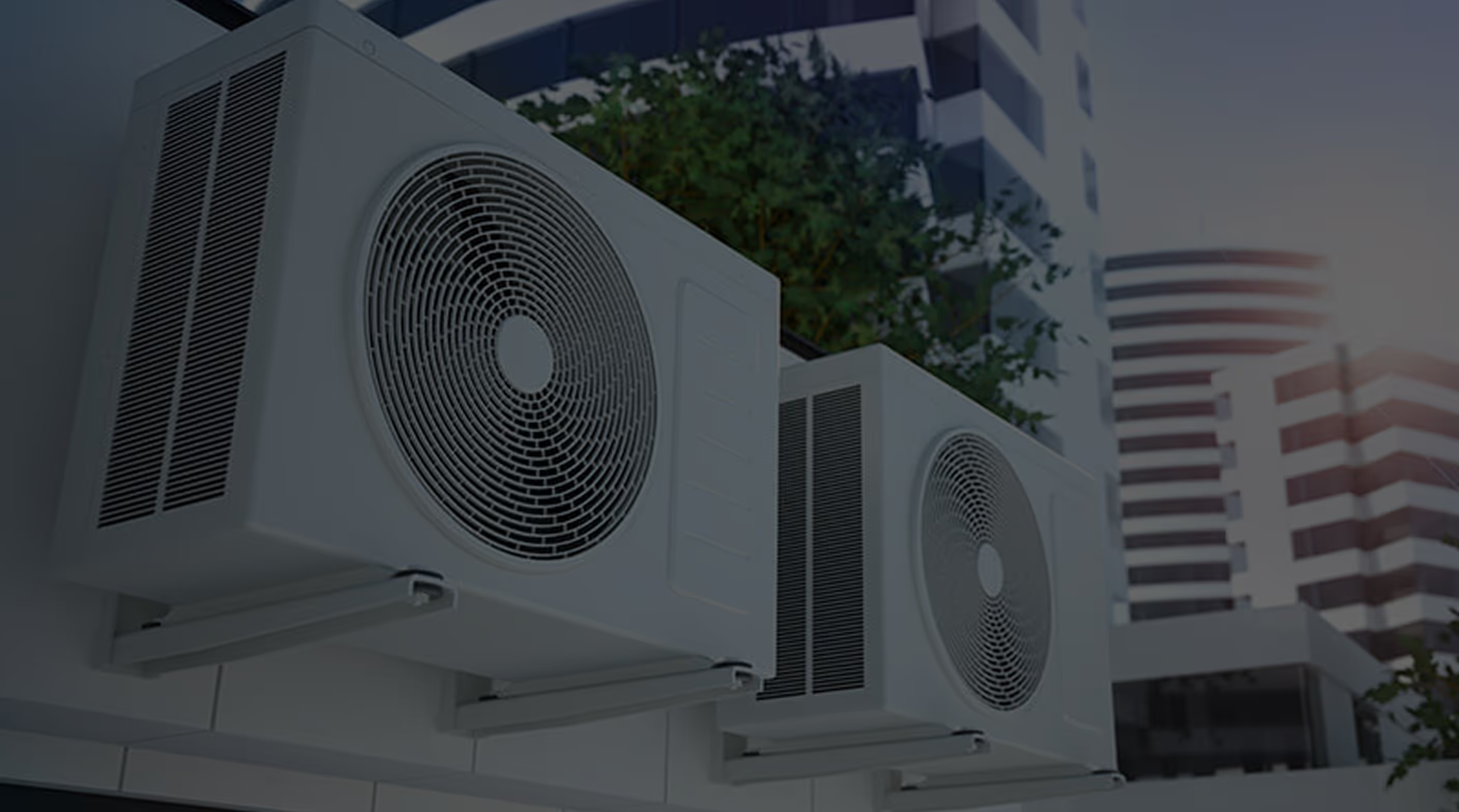
Heat Pump Maintenance in Hillsborough, CA
For Hillsborough, CA homeowners, Plum HVAC outlines a comprehensive heat pump maintenance program, detailing why regular tune-ups matter and how coastal conditions accelerate wear. We cover common issues like dirty filters, corroded coils, refrigerant leaks, and electrical wear, plus a seasonal checklist to keep systems efficient year-round. We also explain service plan options, record-keeping for warranty compliance, and strategies to reduce operating costs through preventive care, proper calibration, and timely repairs, ensuring reliable comfort in variable Bay Area weather.
.jpeg)
Heat Pump Maintenance in Hillsborough, CA
Keeping your heat pump well maintained is one of the most effective ways to lower energy bills, avoid mid-season breakdowns, and extend equipment life in Hillsborough, CA. With our region’s mild but variable coastal climate, seasonal marine layer, and occasional wildfire smoke, heat pumps face specific stresses that make recurring maintenance programs especially valuable for local homeowners. This page explains what a professional heat pump maintenance program covers, typical Hillsborough issues, seasonal tune-up checklists, plan options, record-keeping and warranty considerations, and practical steps that lower operating costs.
Why recurring heat pump maintenance matters in Hillsborough
Hillsborough homes benefit from heat pumps’ efficient year-round heating and cooling, but those systems work harder under local conditions. Coastal moisture and fog can accelerate corrosion on outdoor coils and electrical components. Periodic wildfire smoke and higher particulate loads in late summer and fall increase filter clogging and strain indoor blower motors. Regular maintenance addresses these pressures before they become costly repairs, preserves system efficiency through temperature swings, and ensures warranty conditions are met.
Common heat pump maintenance issues in Hillsborough, CA
- Clogged or dirty filters — More frequent replacement needed after smoke events or if HVAC runs often during cool mornings and warm afternoons.
- Dirty or corroded coils — Coastal moisture and tree debris can reduce heat transfer and cause higher run times.
- Refrigerant issues — Low charge or leaks reduce capacity and can damage the compressor if unchecked.
- Electrical wear — Corrosion and thermal cycling can age capacitors, relays, and contactors.
- Reversing valve and defrost problems — Heat pumps that don’t switch modes or defrost properly will underperform in cooler months.
- Restricted airflow — Blocked vents, duct leaks, or a failing blower increase electrical consumption and decrease comfort.
Seasonal tune-up checklist for Hillsborough heat pumps
A professional seasonal tune-up should include the following tasks. These help prevent the issues above and keep your system operating efficiently throughout the year.
- Filter inspection and replacement — Verify filter type and change or document condition; recommend replacement frequency based on usage and air quality.
- Outdoor unit cleaning — Clear leaves, dirt, and debris; clean condenser coils to restore heat exchange efficiency.
- Indoor coil and drain maintenance — Clean evaporator coil and flush condensate drain to prevent backups and microbial growth.
- Refrigerant check — Measure pressures and verify correct charge; inspect for visible leaks and pressure anomalies.
- Electrical inspection — Tighten connections, test capacitors, contactors, fuses, and breakers for correct operation and safety.
- Motor and moving parts lubrication — Lubricate bearings and fan motors where applicable to reduce wear and noise.
- Blower and airflow testing — Measure airflow and static pressure; clean blower assembly as needed.
- Thermostat calibration and controls check — Confirm accurate temperature sensing and proper control logic.
- Defrost cycle and reversing valve test — Ensure heat mode operation and defrost timing perform correctly in cooler temperatures.
- System performance test — Run heating and cooling cycles, measure temperatures and amperage, and record operating parameters.
- Documentation — Provide a signed checklist and service report for your records and warranty compliance.
Most routine tune-ups take about 60 to 90 minutes depending on system complexity and whether repairs or coil cleaning are required.
What a professional inspection and repair process looks like
A thorough service visit begins with a visual inspection and system history review. Technicians then perform safety checks, airflow and electrical diagnostics, refrigerant measurements, and targeted cleaning. If parts are worn or a leak is found, the technician documents the issue, explains recommended repairs in plain language, and records test results before and after work. The final step is a system run test to confirm restored performance and provide a clear service report you can keep for warranty and resale value.
Service plan options for Hillsborough homeowners
Typical maintenance plan tiers are structured to match different needs and budgets while keeping equipment protected:
- Basic annual plan — One annual tune-up with a standard inspection and filter check to satisfy many manufacturer warranty terms.
- Biannual or seasonal plan — Two visits per year (spring and fall) to prepare the system for peak cooling and heating seasons; recommended where marine moisture or smoke events are common.
- Comprehensive or premium plan — Includes priority scheduling during busy periods, two seasonal tune-ups, parts discounts, and more detailed diagnostics and performance reporting.
Plans are usually offered with transparent terms, documented service records, and scheduling flexibility to accommodate Hillsborough weather patterns and homeowner availability.
Record-keeping and warranty maintenance requirements
Most manufacturers require documented routine maintenance to keep warranties valid. Maintain copies of service reports, invoices, and signed maintenance checklists showing date, technician credentials, tasks completed, and measured operating values. These records are important for warranty claims, home resale disclosures, and long-term service history that helps diagnose recurring issues quickly.
How preventive care lowers operating costs
Preventive maintenance reduces energy consumption by restoring optimal heat transfer and airflow, lowering run times and electrical demand. Early detection of refrigerant leaks and electrical faults prevents expensive compressor failures and emergency replacements. Regular cleaning and calibration also maintain consistent comfort, reducing thermostat adjustments that can waste energy. In a high-cost energy market like the Bay Area, small efficiency improvements translate to meaningful savings over the life of the equipment.
Simple homeowner maintenance tips between service visits
- Replace or clean filters according to the system’s specifications, and more often after smoke or high-usage periods.
- Keep the outdoor unit clear of leaves, mulch, and vegetation; maintain at least two feet of clearance.
- Check indoor vents for blockage and ensure supply and return registers are open.
- Monitor system sounds and run times; note anything unusual for your technician.
- Use thermostat programming to reduce unnecessary run times while maintaining comfort.
Regular heat pump maintenance in Hillsborough, CA protects comfort, improves efficiency, and preserves equipment value. By following a seasonal tune-up checklist, choosing an appropriate service plan, and keeping thorough records, homeowners can reduce operating costs, meet warranty requirements, and minimize the risk of unexpected breakdowns in our unique local climate.
hear what our satisfied clients have to say

.svg)
Service areas
.avif)