
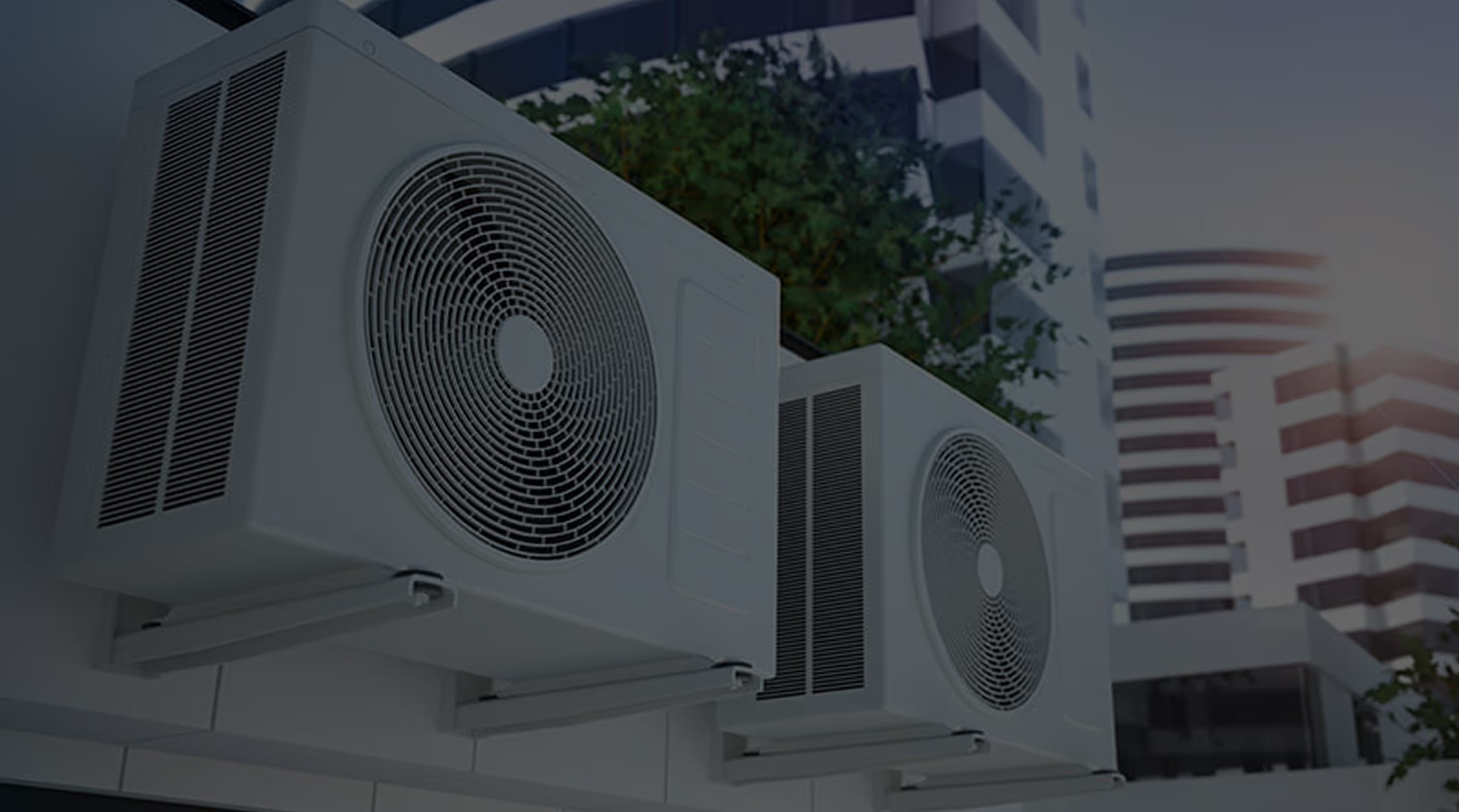
Heat Pump Replacement in Hillsborough, CA
Heat pump replacement in Hillsborough, CA, with Plum HVAC, involves a comprehensive process: professional load calculations, careful equipment selection for efficiency and noise, and meticulous ductwork and electrical work. Our service covers permits, inspections, and potential rebates, with timelines ranging from a one-day replacement to multi-day projects when additional system modifications are needed. Expect improved comfort, lower energy bills, quieter operation, and enhanced home value, backed by Plum HVAC warranties on equipment and workmanship and ongoing maintenance recommendations. This helps ensure long-term reliability and peace of mind.
.jpeg)
Heat Pump Replacement in Hillsborough, CA
Replacing a heat pump in a Hillsborough, CA home is more than swapping old equipment for new. With the Bay Area’s mild Mediterranean climate, proximity to the coast, and many older, custom-built homes, a properly sized, high-efficiency heat pump can deliver consistent comfort year-round while reducing energy costs and addressing local building requirements. This page explains the replacement process, common issues in Hillsborough homes, equipment selection, permitting, timelines, warranties, expected energy savings, and what to expect before and after replacement.
Why replace your heat pump now?
- Rising energy bills, frequent repairs, or an aging system that uses outdated refrigerant are common reasons homeowners look to replace rather than repair.
- Modern heat pumps are significantly more efficient and often quieter, offer better humidity and temperature control, and can reduce operating costs in Hillsborough’s mild climate where heating and cooling loads are moderate.
- Replacing an old, undersized, or poorly matched system can eliminate comfort complaints like uneven rooms, chronic short cycling, and noisy operation.
Common heat pump replacement issues in Hillsborough
- Old systems beyond their expected life (10–15 years) with failing compressors or refrigerant leaks.
- Systems using phased-out refrigerants (e.g., R-22) that are expensive to service.
- Poorly sized units causing short cycling or inadequate comfort in rooms exposed to coastal winds and temperature swings.
- Older ductwork with leaks or inadequate insulation common in vintage and custom homes.
- Electrical panels lacking capacity for modern high-efficiency heat pumps or missing a dedicated disconnect.
- Permitting or equipment placement challenges on sloped lots or in tight side yards typical of Hillsborough properties.
Initial assessment and load calculations
A thorough replacement begins with a professional assessment tailored to Hillsborough homes:
- Site visit to inspect current equipment, ductwork, insulation, attic and crawlspace conditions, and indoor comfort complaints.
- Manual J load calculation (or equivalent) to determine accurate heating and cooling loads based on home size, orientation, insulation levels, window types, and local climate influences like coastal fog and afternoon breezes.
- Manual D duct design review to determine if duct modifications, sealing, or balancing are necessary for even airflow.
- Electrical review to confirm service capacity, breaker sizes, and disconnect requirements.
These diagnostics ensure the replacement unit is properly sized—neither oversized (causing short cycling) nor undersized (failing to meet demand).
Equipment selection: efficiency ratings and sizing
Choosing the right heat pump for a Hillsborough home focuses on comfort, efficiency, and longevity:
- Efficiency metrics: SEER (Seasonal Energy Efficiency Ratio) and HSPF (Heating Seasonal Performance Factor) remain key. Higher SEER and HSPF numbers indicate better cooling and heating efficiency. Consider inverter-driven, variable-speed compressors for better comfort and lower operating costs.
- Sizing: Follow the load calculation results. Variable-capacity systems adapt better to smaller loads typical of Hillsborough’s climate, improving humidity control and comfort.
- Technology choices: Heat pump types include air-source, ducted mini-split, and ductless multi-zone systems. Ductless or multi-zone systems can be ideal for historic or addition spaces where duct modifications would be disruptive.
- Noise and placement: Choose units with low sound ratings and plan outdoor unit placement to minimize noise to neighbors and protect equipment from coastal moisture.
Removal of old equipment and preparations
- Safe, code-compliant recovery of refrigerant and removal of the old unit.
- Inspection and possible replacement of the condensate drain, refrigerant lines, and mounting pads.
- If the system contains outdated refrigerant, proper disposal and documentation will be part of the process to meet environmental regulations.
Ductwork, electrical, and structural modifications
- Ductwork: Expect duct sealing, insulation upgrades, or reconfiguration when ducts are leaky, undersized, or poorly balanced. Sealing and adding insulation can dramatically improve system performance in Hillsborough’s variable conditions.
- Electrical: Modern heat pumps may require a dedicated 240V circuit, updated breaker size, or even a panel capacity upgrade. A licensed electrician will confirm clearances, disconnects, and grounding.
- Structural or placement adjustments: Condensing units should be elevated and protected from runoff; rooftop or side-yard installations may require special brackets or pads.
Permitting and inspections in Hillsborough
- Replacement typically requires local permits and inspections to ensure installations meet Town of Hillsborough and San Mateo County building codes and safety standards.
- Permit scope may include electrical, mechanical, and refrigerant handling documentation. Inspections confirm proper installation, electrical connections, ductwork changes, and compliance with local energy codes.
- A knowledgeable contractor will prepare permit documents and coordinate inspections, including final verification for occupancy and system operation.
Rebates, financing assistance, and incentives
- Homeowners replacing older systems in California often qualify for state and utility incentives, plus federal tax credits for high-efficiency heat pumps.
- Local utility programs (including PG&E service territory incentives) and state clean-energy programs can offset equipment costs. Financing options tailored to energy-saving upgrades can spread investment over time.
- Documentation for incentives typically requires equipment specifications, installation dates, and proof of permits and inspections.
Project timeline and disruption expectations
- Typical replacement timeline ranges from a single day for like-for-like swaps to several days when ductwork, electrical, or permitting complexities are involved.
- Common schedule: assessment and load calculations (1 visit), permit processing (varies, often days to weeks), equipment delivery, installation (1–3 days), and final inspection.
- Homeowners should expect temporary disruption during equipment removal and electrical work and should plan for limited HVAC operation during the swap.
Warranty coverage and after-replacement support
- Modern heat pumps carry manufacturer warranties on compressors and parts (compressor warranties commonly extend up to 10 years; parts warranties vary).
- Installer workmanship warranties cover labor and installation quality for a defined period. Keep all warranty documentation and permit records for future claims.
- Regular maintenance—annual or biannual tune-ups—preserves warranty eligibility and maintains peak efficiency.
Energy savings estimates and long-term benefits
- Replacing an older, inefficient heat pump with a modern high-efficiency system typically yields noticeable energy savings. Conservatively, homeowners can expect energy use reductions commonly in the 20–40% range, depending on current system efficiency, home envelope, and usage patterns.
- Other long-term benefits: improved comfort and humidity control, quieter operation, lower repair frequency, and increased home value—important in Hillsborough’s competitive housing market.
Before-and-after expectations
Before:
- Frequent repairs, noisy operation, uneven temperatures, rising utility bills, and potential use of supplemental heating.After:
- More consistent room-to-room comfort, quieter operation, reduced energy bills, and improved humidity control. Duct sealing or insulation improvements often yield immediate comfort and efficiency gains.
- Properly documented permits, energy rebates processed, and clear warranty coverage give long-term peace of mind.
Maintenance and tips for lasting performance
- Schedule professional tune-ups at least once a year to check refrigerant levels, clean coils, test controls, and inspect electrical connections.
- Keep outdoor units clear of debris, maintain proper clearance, and protect from irrigation spray and salt air.
- Address attic and crawlspace insulation and air-sealing to maximize performance—small building envelope improvements deliver outsized efficiency gains in Hillsborough homes.
A heat pump replacement in Hillsborough, CA, when based on careful load calculations, proper equipment selection, and attention to ductwork and electrical needs, delivers reliable comfort, lower utility bills, and compliance with local codes. Thoughtful planning around permits, rebates, and warranties ensures the project protects your investment and improves long-term home performance.
hear what our satisfied clients have to say

.svg)
Service areas
.avif)