

Mini Split Tune-Up in Hillsborough, CA
Ensure your mini split system performs at its absolute best with a comprehensive tune-up program for Hillsborough homes from Plum HVAC. Our process covers a detailed inspection checklist, including filter cleaning, precise refrigerant level checks, thorough electrical safety, diligent drainage maintenance, airflow optimization, and accurate thermostat calibration—all expertly designed to restore efficiency, enhance comfort, and extend your system's life. Homeowners will also receive recommended service frequency, practical maintenance tips, and a clear step-by-step overview of what to expect during each visit, ensuring reliable, year-round performance from Plum HVAC.
Mini Split Tune-up in Hillsborough, CA
A regular mini split tune-up keeps your ductless heating and cooling running efficiently, quietly, and reliably. In Hillsborough homes, where many properties use mini split systems for zoned comfort in moderate coastal-mountain climates, timely maintenance prevents diminished performance during warm summer days and cooler, damp winter nights. This page explains what a professional tune-up covers, common mini split issues in Hillsborough, the diagnostic steps technicians take, expected benefits, how often to schedule service, and practical homeowner tips to maximize system life.
Why a tune-up matters for Hillsborough homes
Mini splits are sensitive to dirt, refrigerant imbalance, and electrical wear. Hillsborough’s mild but occasionally humid weather, seasonal pollen and leaf fall from mature trees, and homes with multiple zones increase the likelihood of clogged filters, restricted airflow, and outdoor-unit debris. Without regular maintenance, these factors lead to reduced efficiency, uneven comfort, higher energy use, and premature component failure. A professional tune-up identifies problems early and verifies the system is operating safely and to manufacturer specifications.
Standard mini split tune-up checklist
A full tune-up typically follows a consistent checklist to ensure nothing is overlooked. Key items include:
- Filter and coil cleaning
- Remove and clean washable filters; replace disposable ones.
- Inspect and gently clean indoor unit evaporator coils to restore airflow and heat transfer.
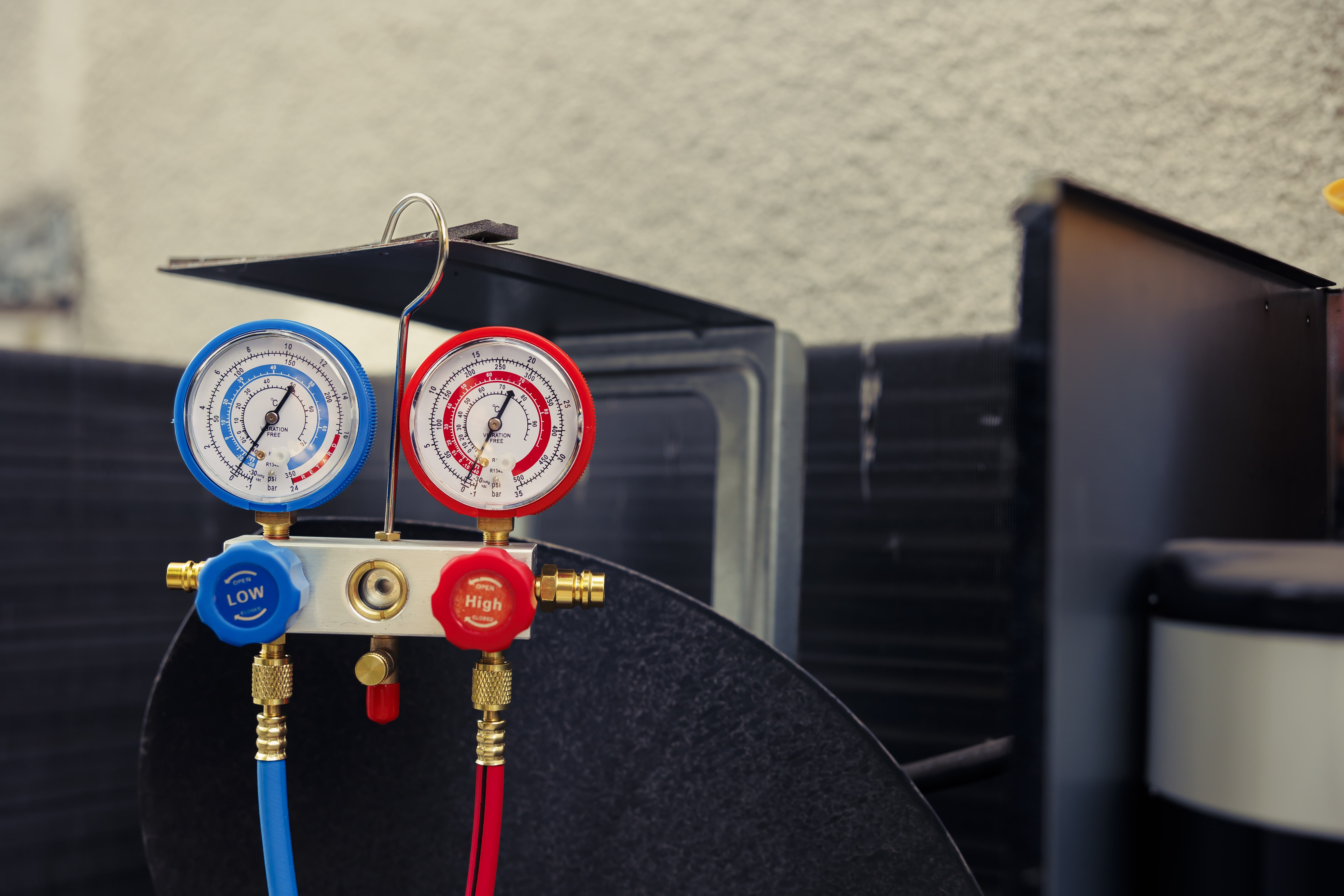
- Refrigerant and pressure check
- Measure refrigerant pressures and temperatures to verify correct charge.
- Calculate superheat/subcooling to confirm proper refrigerant flow.
- Electrical safety inspection
- Tighten and inspect line connections, contactors, and terminals.
- Test capacitors and motors for correct operation; inspect safety switches.
- Drain and condensate checks
- Clear condensate pans and drain lines; verify proper condensate removal to prevent water damage and mold.
- Inspect secondary drain safeguards where present.
- Airflow measurement
- Measure airflow and static pressure to identify blockages or fan problems.
- Check indoor blower operation and outdoor fan performance.
- Thermostat and control calibration
- Verify thermostat settings, remote control functions, and sensor operation.
- Calibrate temperature sensors for accurate zone control.
- Visual and operational diagnostics
- Inspect outdoor unit for debris, corrosion, or damage from landscaping or animals.
- Run the system through cooling and heating cycles to listen for abnormal noises and confirm stable operation.
What technicians look for in Hillsborough installations
Technicians know local patterns that affect mini splits:
- Accumulated pollen, leaf litter, and dust in indoor and outdoor units.
- Occasional moisture-related buildup from coastal fog that can lead to corrosion if outdoor coils are neglected.
- Multi-zone balancing issues in homes with several indoor heads, requiring per-head inspection and balancing.
- Signs of refrigerant leaks from older linesets or improperly brazed joints, particularly in retrofit installations.
Technicians will also ensure compliance with refrigerant handling regulations and environmental best practices when diagnosing and correcting charge issues.
Common mini split problems and how tune-ups solve them
- Poor cooling or heating: often caused by dirty filters/coils or incorrect refrigerant charge. Cleaning and pressure checks restore capacity.
- Reduced airflow and uneven zones: caused by clogged filters, obstructed indoor units, or fan motor issues. Airflow measurement and cleaning rebalance zones.
- Short cycling or frequent on/off: can be electrical, control, or refrigerant related. An electrical safety inspection and control calibration identify root causes.
- Water leaks and odors: blocked condensate drains or dirty pans are common. Drain clearing and sanitation prevent water damage and microbial growth.
- Noisy operation: loose components, failing motors, or debris in outdoor fans create noise; tightening and component inspection resolve most cases.
Benefits you should expect after a tune-up
- Improved efficiency and lower energy usage: clean coils and correct refrigerant reduce run times and energy costs.
- Enhanced comfort and better zone control: balanced airflow and calibrated controls maintain consistent temperatures across rooms.
- Greater reliability and fewer emergency repairs: early detection of worn components prevents catastrophic failure during peak use.
- Longer system life: routine care reduces stress on compressors and motors, extending equipment life.
- Safer operation: electrical inspections reduce the risk of failures that could create hazards or void warranties.
Recommended frequency for tune-ups in Hillsborough
- At minimum, schedule a professional tune-up once a year. For homes that rely on mini splits year-round for heating and cooling, a twice‑yearly service—once before the primary cooling season (late spring) and once before the heating season (late fall)—is recommended.
- For multi-head systems, ensure each indoor unit receives inspection and cleaning during a tune-up; dirt in one head can affect overall system balance.
- If you notice performance issues, unusual noises, higher energy bills, or condensation problems at any time, arrange for an inspection rather than waiting for the next scheduled service.
Practical homeowner maintenance tips between tune-ups
- Clean or replace filters every 1–3 months depending on use and indoor air quality.
- Keep vegetation, leaves, and debris at least 2–3 feet away from the outdoor unit; trim back plants seasonally.
- Avoid spraying strong chemicals or high-pressure water directly at coils; use only manufacturer‑recommended cleaning methods.
- Watch for warning signs: persistent high humidity, uneven room temperatures, frost on indoor coils, or visible oil on lines (possible refrigerant leak).
- Use surge protection on electrical circuits feeding HVAC equipment in areas prone to storms or power fluctuations.
What to expect during the service appointment
A professional tune-up generally includes a technician arrival within a scheduled window, a brief system history review, a visual inspection followed by mechanical and electrical checks, measured refrigerant and airflow diagnostics, cleaning tasks, and a short operational test. Technicians typically provide a written or verbal summary of findings and recommended follow-up work if repairs or parts replacement are needed.
Regular mini split tune-ups in Hillsborough, CA preserve comfort, lower operating costs, and protect your investment. Properly maintained systems perform better through the mild coastal summers and cooler, damp periods, keeping your home comfortable and efficient year-round.
hear what our satisfied clients have to say

.svg)
Service areas
.avif)