

Smart Thermostat Installation in Hillsborough, CA
Smart thermostat installation in Hillsborough, CA offers enhanced comfort, energy savings, and simplified home climate control. The service covers system compatibility, safe wiring, and optimization for Hillsborough’s moderate climate, including single-zone, multi-zone, and heat pump configurations. The on-site process includes wiring checks, C-wire solutions, mounting, app setup, and testing, followed by personalized scheduling, remote access configuration, and post-install support. Consumers can explore rebates and incentives and receive guidance to maximize performance and utility bill savings.
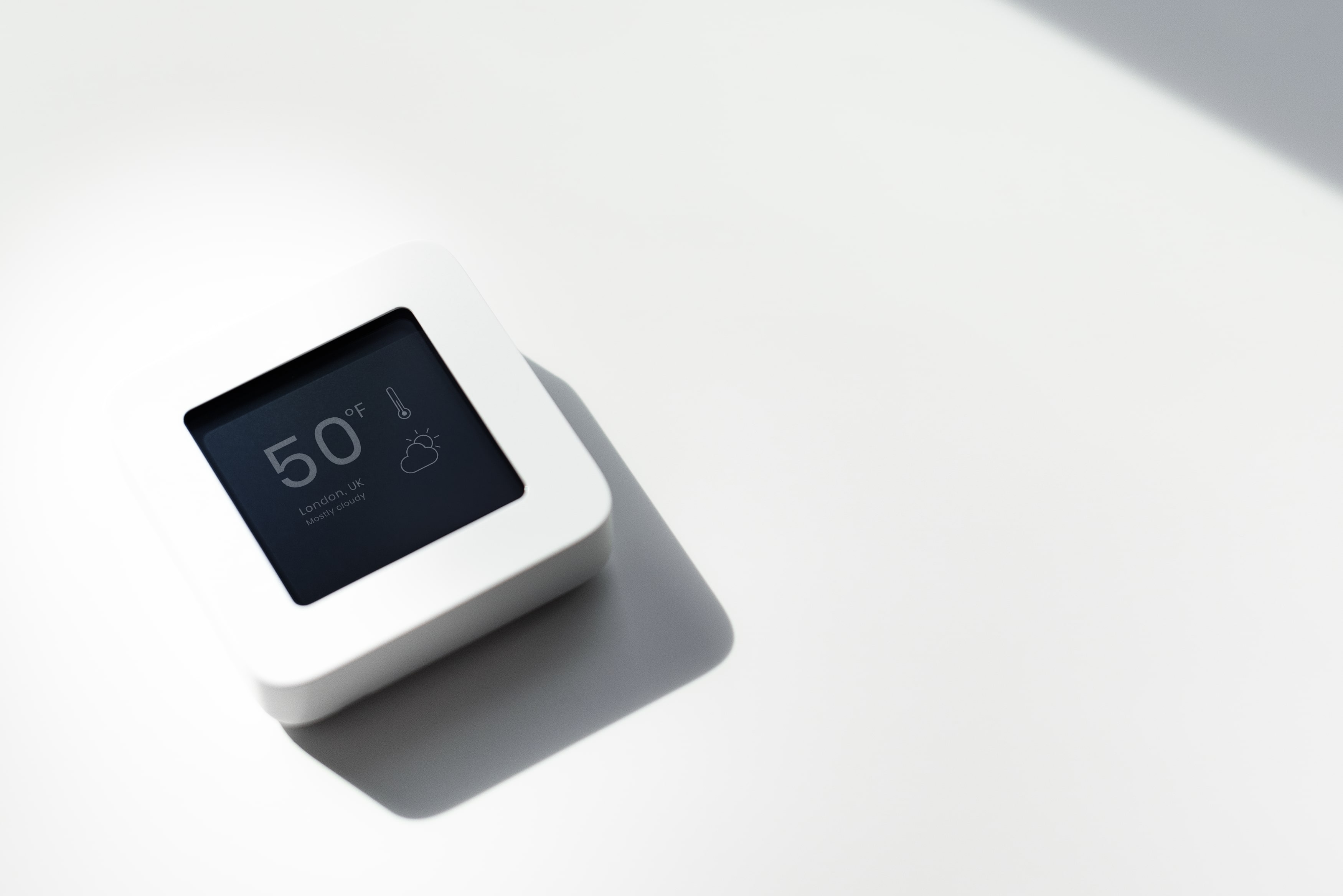
Smart Thermostat Installation in Hillsborough, CA
Upgrading to a smart thermostat in Hillsborough, CA delivers immediate comfort, easier control, and measurable energy savings for Peninsula homes. Whether your house has a single-zone forced air system, a multi-zone setup with motorized dampers, or a heat pump, professional smart thermostat installation ensures compatibility, safe wiring, and optimized performance tailored to local weather patterns like cool marine nights, sunny afternoons, and seasonal fog. This page explains how selection and installation work, what to expect on-site, how to optimize schedules for Hillsborough living, and the common rebate and support options available after installation.
Why choose a smart thermostat for Hillsborough homes
- Remote control and convenience: Adjust temperature from your phone when commuting across the Bay Area or away from home.
- Learning schedules and automation: Many units adapt to your daily routines to minimize heating and cooling while preserving comfort.
- Energy savings: Smart control, adaptive recovery, and setback strategies reduce runtime for HVAC systems, which is effective in Hillsborough’s moderate climate.
- Integration with zoning systems: Smart thermostats can coordinate with zone controllers or replace legacy zone thermostats to balance comfort across multiple floors and sun-exposed rooms.
- Improved diagnostics and maintenance alerts: Early detection of system faults helps avoid costly repairs and preserves efficiency.
Common smart thermostat types and which suits Hillsborough homes
- Wi-Fi smart thermostats with learning features: Best for single-family homes that want automatic schedule creation and energy reports.
- Programmable touchscreen thermostats: Good for homeowners who want a straightforward interface and schedule control without advanced learning.
- Thermostats designed for heat pumps and multi-stage systems: Essential if your Hillsborough property uses a heat pump or multi-stage furnace/AC.
- Zoning-compatible thermostats and interfaces: Necessary for homes with dampers, multiple thermostats per HVAC system, or separate forced-air units for different areas.
Compatibility checklist: wiring, controls, and HVAC types
- C-wire requirement: Most smart thermostats need a common wire for continuous power. Older Hillsborough homes sometimes lack a C-wire; installers will check for it and provide solutions like installing a C-wire, using a power extender kit, or upgrading the transformer.
- Multi-stage and heat pump support: Confirm the thermostat supports your system’s stages, reversing valve, and auxiliary heat.
- Line-voltage and millivolt systems: These require specialized thermostats or interface relays; they cannot be directly replaced with standard low-voltage smart thermostats.
- Zoning system integration: If you have motorized dampers or a zone control panel, installers will verify whether each zone needs its own smart thermostat or whether a single smart controller can communicate with the existing zone panel.
- Network requirements: Smart thermostats need reliable Wi-Fi. Installers will evaluate signal strength and may recommend network adjustments for consistent app control.
On-site installation and mobile app configuration
- Pre-install inspection: Technician inspects the thermostat wiring, verifies HVAC control wiring and transformer voltage, and confirms zone control wiring if present.
- Wiring and adapter setup: If a C-wire is missing, options include installing a dedicated C-wire, attaching a power extender kit, or using an adapter. For multi-stage systems or zoning, the correct control terminals and accessories are installed.
- Mounting and physical install: Thermostat base is mounted, wiring terminated, and the faceplate secured. Clear labeling ensures zone identification and future serviceability.
- Power-up and system test: Technician restores power and runs HVAC system tests to confirm heating, cooling, fan, and stage operations respond correctly.
- Mobile app setup: Wi-Fi credentials are entered, account created or linked, and device firmware updated. Geofencing, energy reporting, learning mode, and voice assistant links are configured as requested.
- Final walkthrough: Installer explains basic operation, scheduling tips for Hillsborough weather, and how to read energy reports and alerts.
Optimizing schedules and routines for Hillsborough climate
- Use mild setback strategies: With moderate winters and cool nights, set slightly wider temperature setbacks during unoccupied hours to save energy while preserving comfort.
- Take advantage of learning modes: Let the thermostat learn your patterns for two to three weeks, then tweak routines for daytime fog or warm afternoons typical of the Peninsula.
- Use occupancy and remote sensors: Place sensors in sun-facing rooms or upstairs bedrooms to avoid overcooling shaded or seldom-used areas.
- Schedule seasonal transitions: Program gradual seasonal changes rather than abrupt setpoint shifts to reduce system cycling and improve comfort.
- Balance zones: For larger Hillsborough homes, align zone schedules so commonly used spaces are conditioned first while guest or storage zones remain on energy-saving settings.
Rebates and incentives relevant to Hillsborough, CA
Homeowners in Hillsborough may qualify for utility or state incentives that help offset the cost of a smart thermostat. Common opportunities include:
- Local utility rebates through California providers such as PG&E for qualifying smart thermostats or energy-efficiency projects.
- State energy efficiency programs that offer incentives for smart home upgrades and electrification measures.
- Federal tax credits or energy-related incentives that occasionally apply to energy-efficient home improvements.
Eligibility often depends on model, installation method, and whether installation is performed by a licensed professional. An installer will list potential rebate pathways and documentation typically required for application.
Common problems and troubleshooting after installation
- Intermittent Wi-Fi or mobile app connectivity: Check router signal at the thermostat, ensure the network supports the thermostat’s frequency (many devices use 2.4 GHz), and confirm firmware is up to date.
- No heat or no cool after install: Usually a wiring or configuration issue. Verify terminal mappings, C-wire presence, and system type settings in the thermostat.
- Short cycling or frequent cycling: May indicate incorrect equipment configuration, stage settings, or a need for a system diagnostic on the furnace/AC.
- Inaccurate temperature readings: Reposition or add remote sensors away from drafts, sunlight, or heat sources and recalibrate sensor preferences.
- Zoning mismatch or damper conflicts: Ensure each zone is correctly labeled and the thermostat or zone panel is configured to match damper control wiring.
Post-installation support and maintenance
- Firmware and app updates: Keep firmware current for security and feature improvements. Periodic updates often resolve stability or compatibility issues.
- Seasonal checkups: Annual HVAC tune-ups ensure thermostats and equipment operate efficiently. Checkups also confirm sensor and network health.
- Warranty and documentation: Review thermostat manufacturer warranties and keep installation labels and wiring diagrams for future service.
- Performance monitoring: Regularly review energy reports and runtime data to spot changes that could indicate an equipment issue or an opportunity for further savings.
Smart thermostat installation in Hillsborough, CA is a practical, immediate step toward a more comfortable, energy-efficient home. Proper selection, careful compatibility checks, and professional on-site installation set the foundation. With tailored schedules, zoning coordination, and ongoing support, smart thermostats deliver better control and lower energy use suited to the local climate and lifestyle.
hear what our satisfied clients have to say

.svg)
Service areas
.avif)