
What to Expect During an Emergency AC Repair Call in the South Bay

Facing a Sudden AC Breakdown in the Peak-Summer Heat
July heatwaves in the region frequently push temperatures into the 90s and low 100s, turning a broken air conditioner from a minor nuisance into an urgent safety concern. If your system just failed, knowing exactly what to expect during an emergency AC repair call in the South Bay is the first step toward getting your home cool again. The immediate physical discomfort of a rapidly heating house often brings a wave of rising panic. You are likely worried about how long you will have to wait for a technician, what the diagnostic fees will actually entail, and when you will finally get cooling relief.
The purpose of this guide is to remove the mystery from the emergency service process. When you understand the exact sequence of events—from the moment you dial the phone to the moment a technician presents a diagnostic verdict—you are far less likely to panic-accept bad service out of desperation. A reputable HVAC provider follows a strict, transparent protocol to ensure your system is evaluated safely and accurately during a peak-summer heatwave. For comprehensive support and to understand all your options, you can explore our Air Conditioning Services.
By breaking down the logistics of dispatch, the thoroughness of the physical inspection, and the transparent nature of professional quoting, this roadmap will help you navigate a stressful situation with confidence. Here is exactly how a professional emergency service call unfolds.
Step 1: Emergency Intake and Dispatch Logistics
The resolution to your cooling crisis begins the moment you pick up the phone. During a peak-summer heatwave across the South Bay / Mountain View area, dispatch centers operate at maximum capacity. The initial conversation is designed to gather critical information swiftly so the team can triage the situation.
Here is the standard intake process you will experience:
1. Information Gathering: The dispatcher will ask for the age of your system, the specific symptoms you are experiencing (e.g., blowing warm air, strange noises, complete power failure), and the current reading on your indoor thermostat.
2. Severity Prioritization: Not all service calls are identical. Dispatchers prioritize calls based on the severity of the situation. Homes with elderly residents, infants, or documented medical vulnerabilities often receive expedited routing to prevent heat-related health emergencies.
3. Immediate Safety Checks: Before ending the call, the dispatcher will likely walk you through a crucial safety step: turning your system off at the thermostat. If a compressor is struggling or a motor is overheating, leaving the system running can cause catastrophic electrical damage.
4. Setting the Initial Booking Window: Rather than promising an impossible immediate arrival, the dispatcher will establish a realistic booking window based on current technician locations and the day's existing emergency queue.
This structured intake ensures that the right technician is sent to your home with the correct preliminary information, minimizing wasted time once they arrive.


Step 2: Setting Realistic Wait Times During Extreme Heat
Addressing timeline anxiety is one of the most critical parts of the emergency repair process. When a peak-summer heatwave hits the region, the dry summer climate accelerates wear on electrical components. This environmental stress leads to a massive spike in simultaneous regional breakdowns, meaning every HVAC company in the area is fielding dozens of calls at the exact same time.
How Emergency Routing Actually Works
Because dispatch volumes surge during extreme heat, emergency routes are dynamically adjusted throughout the day. Technicians are routed strategically to reach the most vulnerable situations quickly while minimizing driving time between neighborhoods. This is why reputable companies provide a specific arrival window—typically two to four hours—rather than vague promises of immediate arrival. A rapid emergency response time paired with clear communication updates while the technician is en route is the hallmark of a professional service provider.
Actionable Steps While You Wait
Sitting in a hot house is miserable, but you can take proactive steps to stay safe and protect your equipment while waiting for the technician's arrival window:
• Keep the system off: As advised by dispatch, leave the thermostat set to the "off" position. Repeatedly trying to force a broken system to start can burn out the compressor.
• Block out the sun: Close all blinds, shades, and curtains, particularly on south- and west-facing windows, to minimize solar heat gain.
• Check the electrical panel: You can safely check your main electrical panel to see if a breaker has tripped. However, if you reset it and it immediately trips again, leave it alone—this indicates a serious electrical short.
• Limit indoor heat generation: Avoid using the oven, stove, or dryer, as these appliances pump additional heat into your already struggling home.
Step 3: The Technician's Arrival and Initial Assessment
When the arrival window approaches, you will typically receive a notification that the technician is on the way. The physical arrival at your property follows a strict protocol designed to protect your home and establish clear communication.
Upon arriving, the technician will present professional identification and apply shoe covers before entering your home. The very first step is an initial briefing with you. The technician will listen closely to your account of the breakdown. They want to know exactly what you heard, saw, or smelled before the system failed. Did the unit make a grinding noise? Did it suddenly stop? Has it been struggling to keep up for weeks? This context is vital for the upcoming diagnostic.
The Preliminary Visual Inspection
Before attaching any gauges or opening any electrical panels, the technician conducts a thorough visual inspection of your entire system. A typical pattern we see in the South Bay / Mountain View area is that homeowners focus entirely on the outdoor unit, while the actual failure stems from the indoor equipment. If you need dedicated local support, you can look into our Mountain View HVAC Services.
The visual inspection covers three main areas:
• The Thermostat: Checking for blank screens, unresponsive interfaces, or improper programming that might be preventing the system from signaling for cooling.
• The Indoor Air Handler: Inspecting the furnace or air handler for frozen evaporator coils, severe filter blockages, or signs of water damage from a clogged condensate drain.
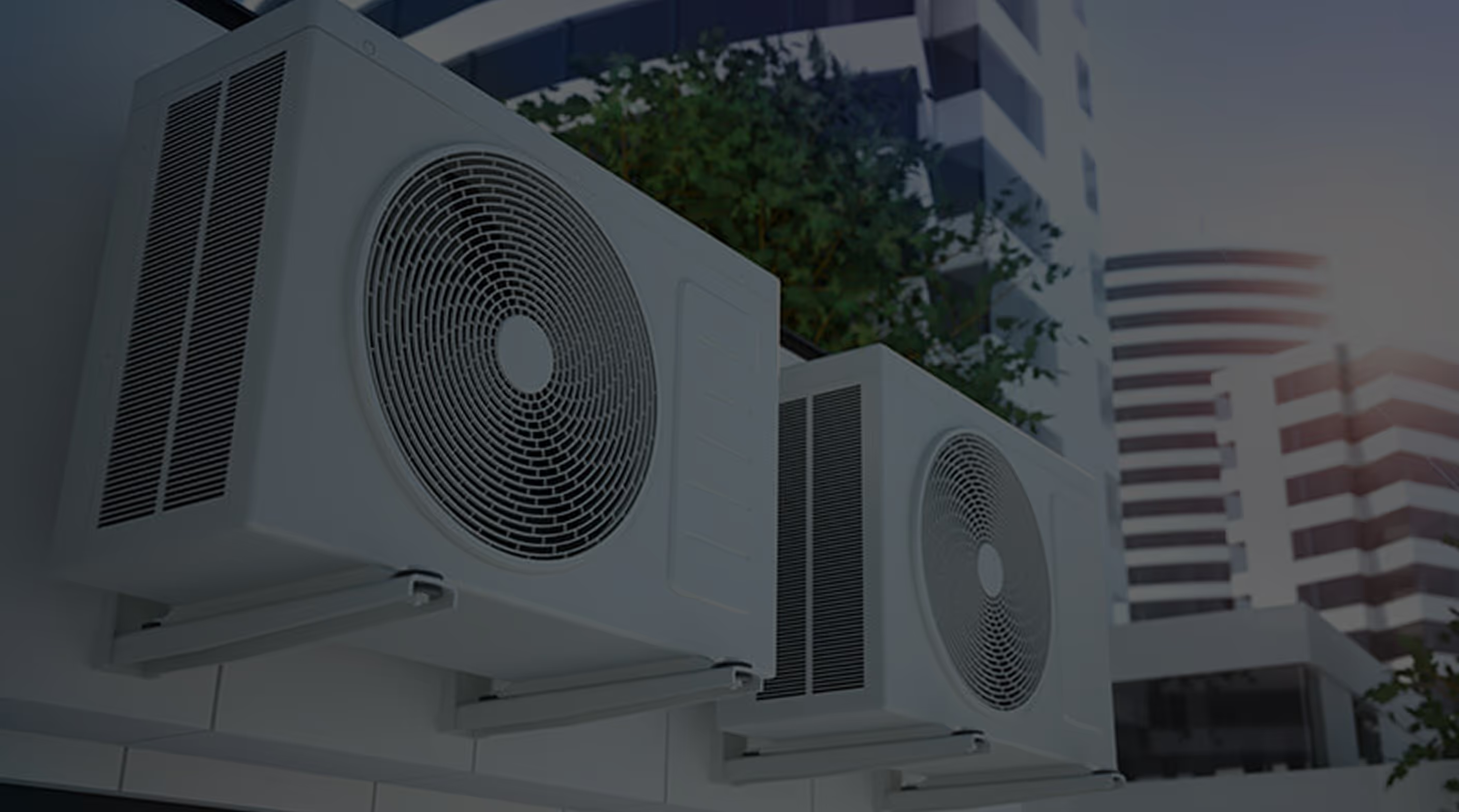
• The Outdoor Condenser: Looking for obvious physical damage, debris blocking the airflow, or signs of burnt wiring near the contactor panel.
Once the visual inspection and preliminary safety checks are complete, the technician transitions into the formal diagnostic process.
Step 4: The 30-to-60 Minute System Diagnostic Process
The most important phase of an emergency service call is the diagnostic process. A thorough diagnostic isolates electrical failures from mechanical failures, preventing costly guesswork. It is highly common for extreme heat to stress aging components, making capacitors and contactors the most frequent culprits for sudden breakdowns in the region.
A proper evaluation typically takes 30 to 60 minutes. This timeline ensures that all underlying issues are found, rather than just addressing the most obvious symptom. If a technician simply swaps a blown fuse without finding out why the fuse blew, the system will likely fail again the moment they drive away.
Common Culprits We Test First
During this hour, the technician uses specialized tools, such as digital multimeters and refrigerant manifolds, to test specific failure points:
• Capacitors: These small, cylindrical components store electricity to jump-start the compressor and fan motors. Extreme heat frequently causes them to swell and fail.
• Contactors: The contactor is a mechanical relay that controls the flow of high-voltage electricity to the outdoor unit. Pitted or burnt contactors will prevent the system from turning on.
• Compressor Draw: The technician measures the amperage the compressor pulls during startup. A high amp draw indicates a struggling motor that may be nearing the end of its lifespan.
• Refrigerant Levels: Using precise gauges, the technician checks the operating pressures to ensure there are no leaks in the closed-loop system.
Throughout this process, the technician documents their findings. This meticulous documentation justifies the diagnostic fees and provides you with a clear, evidence-based picture of your system's health.
Step 5: Understanding Transparent Diagnostic Fees
One of the largest sources of anxiety during an emergency AC breakdown is the fear of hidden costs. Homeowners often worry that calling a professional means signing a blank check. Understanding exactly how diagnostic fees work removes this stress and puts you back in control of the transaction.
A diagnostic fee is a flat charge that compensates the technician for their travel time, their specialized expertise, and the use of advanced testing equipment to find the root cause of the breakdown. Charging a flat, transparent diagnostic fee protects the homeowner from open-ended hourly billing. If a complex electrical short takes an hour to track down, you are not punished with an escalating hourly rate. Our commitment to radical transparency regarding diagnostic fees ensures there are no hidden surprises when the bill arrives. For residents in neighboring communities, we apply this same transparency to our Milpitas AC Service.
What the Fee Does and Does Not Cover
It is crucial to clarify that the diagnostic fee covers the assessment only. It pays for the answer to the question: "What is wrong with my air conditioner?" It does not cover the cost of the actual repair parts or the labor required to install those parts.
A reputable HVAC company will never proceed with repairs without your explicit, informed consent. Once the diagnostic is complete, the fee has fulfilled its purpose. The technician will then pause the work, sit down with you, and present their findings before a single tool is used to fix the system.
Step 6: The Final Repair Quote and Immediate Relief Options
The resolution phase begins when the technician presents the diagnostic findings. A true professional will explain the issue in plain, non-technical language. Instead of citing obscure error codes or jargon, they will explain exactly which part failed, why it failed, and how it impacts the rest of the system.
Based on these findings, you will receive a firm, upfront repair quote. Because the quote is generated after a thorough 30-to-60 minute diagnostic, it is highly accurate. You will know exactly what it will take to restore your cooling before you agree to move forward.
Navigating the Resolution Scenarios
Depending on the nature of the breakdown in the South Bay / Mountain View area, you will generally face one of three scenarios:
• Common Component Failure — Immediate Action: Technician replaces the faulty capacitor, contactor, or motor using parts stocked on the service truck. — Expected Timeline: Immediate relief. System is running before the technician leaves.
• Specialized Part Required — Immediate Action: Technician secures the system, orders the OEM part from a regional supply house, and schedules a return visit. — Expected Timeline: Relief delayed by 1 to 3 days, depending on supply chain availability.
• Catastrophic System Failure — Immediate Action: Technician transitions into a repair-vs-replace conversation, presenting options for a new system installation. — Expected Timeline: Requires a formal installation appointment. Temporary cooling solutions may be discussed.
If the system has suffered a catastrophic failure—such as a seized compressor on an R-22 system that is over fifteen years old—pouring money into a repair rarely makes financial sense. In these cases, the technician will guide you through the process of selecting a modern, efficient replacement. If you find yourself in this situation, Comparing Top Residential HVAC Brands can help you make an informed investment for your home's future.
Frequently Asked Questions About Emergency AC Service
What happens during an AC service call?
A technician arrives, performs a visual inspection, and conducts a 30-to-60 minute diagnostic test. During this time, they isolate the specific electrical or mechanical failure causing the breakdown. Once the root cause is found, you receive a detailed explanation and a transparent quote before any repair work begins. This ensures you are fully informed and in control of the repair process.
How long will I wait for emergency AC repair?
Wait times vary based on regional dispatch volumes and the severity of the peak-summer heatwave. Reputable companies provide a specific arrival window (e.g., 2-4 hours) rather than vague promises of immediate service. Emergency routing prioritizes severe safety risks and vulnerable households, but dispatchers continuously update you on the technician's estimated time of arrival.
What does an AC diagnostic fee cover?
It covers the technician's travel, time, and use of specialized testing equipment to find the root cause of the breakdown. It guarantees an accurate diagnosis rather than simply guessing based on symptoms, which prevents costly rework. However, it does not cover the cost of the actual repair parts or the labor required to fix the underlying issue.
What is considered a true AC emergency?
Total system failure during extreme heat, posing health risks to occupants, is the most common true emergency. Additionally, electrical issues like burning smells, sparking, or continuously tripping breakers require immediate professional attention. Significant refrigerant leaks or water damage originating from the indoor unit also qualify for emergency dispatch to prevent property damage.
Can I do anything while waiting for the technician?
Turn the thermostat to the "off" position to prevent further electrical damage to the compressor. You can check your electrical panel for a tripped breaker, but do not repeatedly reset it if it trips again, as this indicates a severe short. Finally, close blinds and curtains to minimize heat gain in the home and stay hydrated while you wait for the arrival window.
Get Transparent, Reliable AC Relief Today
Understanding the service call process removes the stress and mystery of emergency breakdowns. When you know exactly how dispatch prioritizes calls, what the physical inspection entails, and how diagnostic fees protect you from hidden costs, you can make confident decisions about your home comfort. A peak-summer heatwave is stressful enough without having to worry about opaque billing or rushed technical work.
If your air conditioner is struggling to keep up or has failed entirely, you deserve clear communication and expert care. We are here to provide the accurate diagnostics and firm quotes you need to restore your home's safety and comfort. Schedule an inspection with a local expert by visiting our page for AC Maintenance & Service in Mountain View. Let a professional handle the heat so you can get back to enjoying a cool, comfortable home.
hear what our satisfied clients have to say

.svg)
Service areas
.avif)