

Thermostat Installation in San Mateo, CA
Thermostat installation in San Mateo, CA explains how professional service ensures safe wiring, proper placement, and accurate programming tailored to local climate. It compares basic digital, smart, non-programmable, and specialty thermostats, helping homeowners choose based on HVAC type, wiring, and energy goals. The guide outlines a seven-step installation process, from pre-install assessment to final testing and user training, plus wiring, power, and multi-zone considerations. It also highlights energy-saving tips, warranties, and local incentives available to San Mateo homeowners.
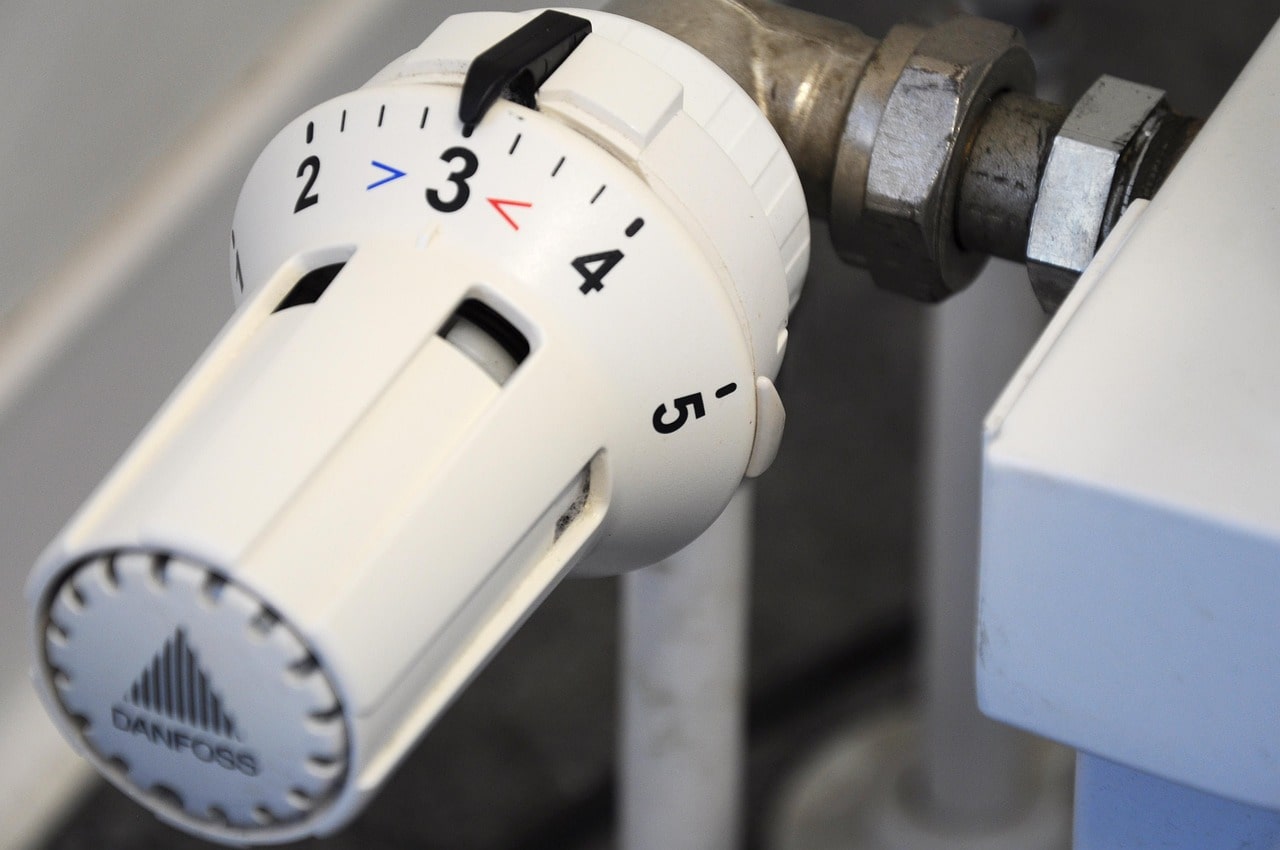
Thermostat Installation in San Mateo, CA
Upgrading or replacing a thermostat is one of the fastest ways to improve comfort, reduce energy bills, and get better control over your heating and cooling. For homeowners in San Mateo, CA, thermostat installation requires attention to local conditions like mild coastal temperatures, occasional humid summers, and Bay Area energy programs. This page explains how professional thermostat installation works, how to choose the right type for your home and HVAC system, what to expect during installation, and practical tips to maximize savings and system life.
Why professional thermostat installation matters in San Mateo homes
A correct installation is more than mounting a device on the wall. Compatibility issues, improper wiring, or incorrect configuration can lead to short cycling, inaccurate temperature control, and higher energy use. In San Mateo, where many homes use heat pumps, forced-air systems, or older furnaces, verifying compatibility and wiring (including the presence of a common, or C-wire) prevents performance problems. A professional install also assures safe wiring, proper placement away from drafts or direct sun, and initial programming tailored to your household schedule and local climate.
Types of thermostats and how to choose
- Basic digital programmable thermostat
- Simple schedule programming (weekday/weekend)
- Lower cost, reliable for standard systems
- Good for homeowners who want manual but basic automated control
- Smart thermostats (Wi-Fi connected)
- Learning algorithms, remote control via app, energy reports
- Integrates with voice assistants and smart home systems
- Often require a C-wire or external power adapter; ideal for tech-forward San Mateo homes
- Non-programmable mechanical or manual thermostats
- Least expensive but limited energy savings
- Suitable when replacement budget or system constraints limit options
- Specialty thermostats (multi-stage, heat pump specific)
- Required for multi-stage systems, zoned HVAC, or heat pumps to ensure proper staging and defrost control
Choosing the right thermostat depends on your HVAC type, desire for remote control, existing wiring, and local energy goals. Professionals assess system type, wiring, and installation location before recommending the best option.
Common thermostat issues in San Mateo and what they indicate
- Inaccurate temperature readings or temperature swings
- Often caused by poor placement (near kitchens, drafty doorways, or direct sunlight) or sensor drift
- System short cycling or frequent on/off cycles
- Can be due to improper thermostat configuration or compatibility with multi-stage systems
- No power to the thermostat
- Missing C-wire or tripped HVAC transformer; common in older installations
- Smart thermostat connectivity problems
- Weak Wi-Fi or improper setup; coastal humidity can sometimes affect older wiring terminals
- Heat pump mode confusion (heating vs cooling)
- Incorrect wiring for heat pump thermostats or wrong configuration of auxiliary heat
Identifying the root cause requires a quick diagnostic: verify wiring and power, check thermostat placement, review system type and stages, and inspect error codes on both the thermostat and HVAC equipment.
The professional thermostat installation process
- Pre-installation assessment
- Confirm HVAC type (single-stage, multi-stage, heat pump, zoned), existing wiring (presence of C-wire), and ideal thermostat location considering San Mateo microclimates.
- Compatibility check and recommendation
- Recommend models that match the system and homeowner goals (energy savings, remote access, zoning compatibility).
- Safe wiring and mounting
- Turn off power at the breaker, label and test existing wires, install or adapt the C-wire if needed, and securely mount the thermostat using level and anchor methods suited to wall material.
- Configuration and programming
- Configure system type, fan control, stages, and heat pump settings if applicable. Set up an initial schedule oriented around local temperature patterns and household routines.
- Connectivity and app setup (for smart thermostats)
- Connect to Wi-Fi, register the device, and demonstrate remote controls and scheduling features.
- User training and documentation
- Explain basic controls, energy-saving modes, vacation settings, and where to find system alerts. Provide guidance on routine checks and what to watch for seasonally.
- Final testing and verification
- Run the system through heating and cooling cycles, verify correct staging, and confirm the thermostat controls the system as intended.
Wiring, power, and common technical considerations
- C-wire requirements: Many smart thermostats need a continuous 24V power source provided by a C-wire. If your home lacks a C-wire, installers can add one, use the HVAC power adapter solution, or select models with lower power demands.
- Heat pump compatibility: Thermostats must support heat pump reversing valves and auxiliary heat stages to prevent unnecessary auxiliary activation.
- Multi-zone systems: Zoned homes require thermostats compatible with zone controllers; coordination between zone dampers and thermostats is essential.
- Low-voltage safety: Professional installers use voltage testers and follow local electrical codes to prevent transformer damage or short circuits.
Programming, energy savings, and user tips for San Mateo
- Optimize setbacks: Set back the temperature during work hours and overnight. In a mild climate like San Mateo, modest setbacks (3 to 5 degrees) can yield noticeable savings without comfort loss.
- Use smart features: Auto-away, learning schedules, and geofencing reduce runtime when no one is home. Smart thermostats can also identify inefficient cycles.
- Seasonal adjustments: Coastal fog can keep nights cooler; slightly higher daytime cooling setpoints and lower heating setpoints during mild winters save energy.
- Maintain consistent airflow: Keep vents and returns unblocked and change filters regularly to ensure accurate thermostat control and efficient system operation.
- Monitor energy reports: Many smart thermostats offer monthly reports that highlight opportunities to reduce consumption based on local utility rates and weather patterns.
Warranty, service plans, and local incentives
Professional installations typically come with a workmanship warranty that covers wiring and configuration. Thermostat manufacturers also offer device warranties; installers can register the device for warranty support and recommend ongoing service plans for HVAC maintenance. In the Bay Area, local utility programs and energy efficiency incentives often provide rebates for qualifying smart thermostats or energy-saving improvements. A professional installer can identify applicable local incentives and ensure the thermostat model meets rebate requirements.
Final considerations for San Mateo homeowners
Thermostat Installation in San Mateo, CA is an investment in comfort and energy efficiency tailored to the region’s unique climate and housing stock. Proper compatibility checks, professional wiring, and thoughtful programming ensure reliable operation and measurable energy savings. Whether you choose a basic programmable unit or a feature-rich smart thermostat, professional installation prevents common problems and extends your HVAC system’s life while helping you take advantage of local incentives and energy-saving opportunities.
hear what our satisfied clients have to say

.svg)
Service areas
.avif)