Smart Thermostat Repair in Saratoga, CA
Smart thermostat repair in Saratoga, CA provides a comprehensive overview of diagnosing and fixing common issues that affect performance and energy use. The service path separates network, software, and hardware causes, outlining a step-by-step approach from intake to system testing. We address connectivity, temperature accuracy, wiring, firmware, and component failures, plus guidance on repair versus replacement. Preventive maintenance tips, expected service timelines, and the benefits of professional calibration help homeowners maintain comfort, optimize efficiency, and preserve remote access.
Smart Thermostat Repair in Saratoga, CA
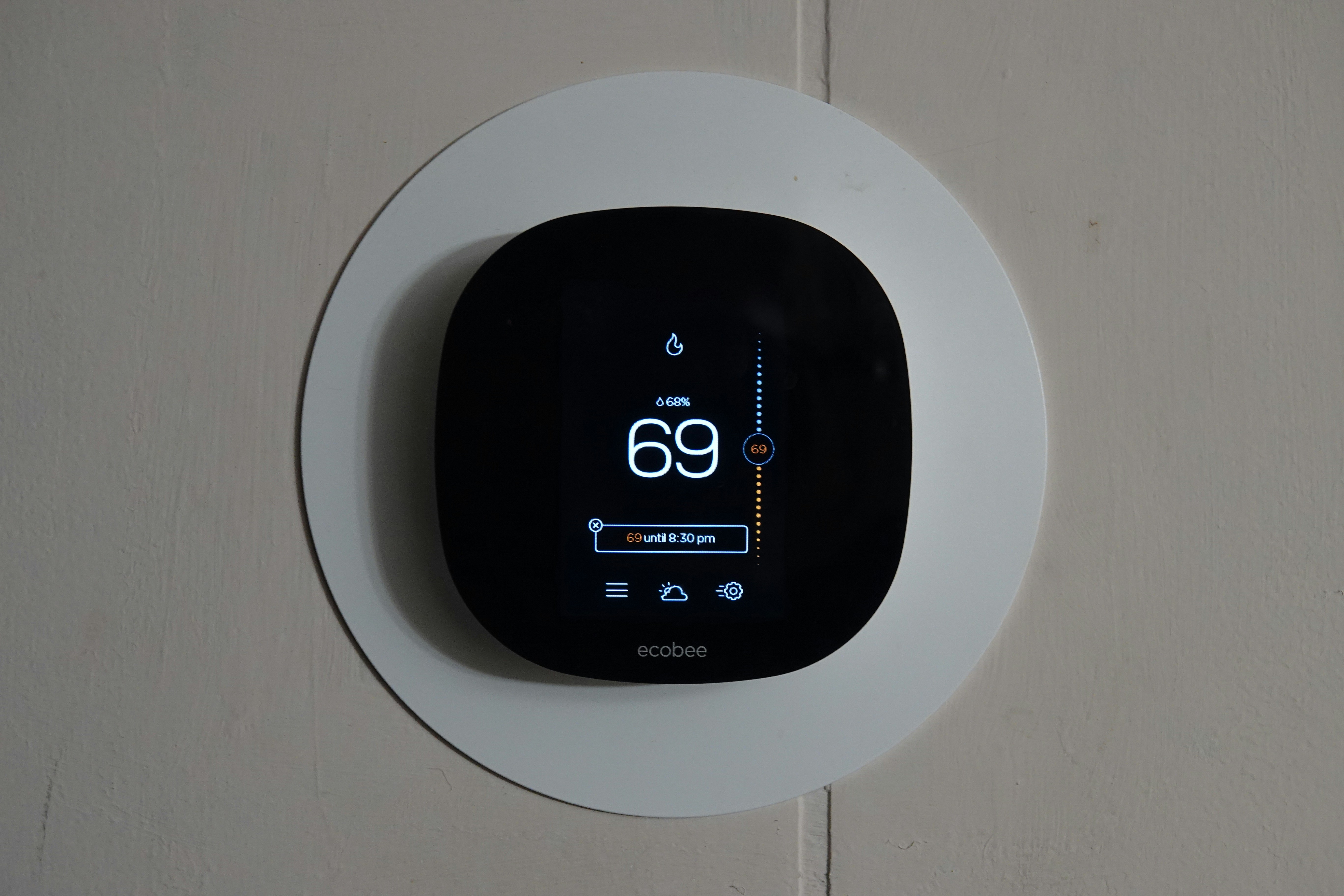
Smart thermostat repair in Saratoga, CA helps homeowners regain control of comfort, energy use, and system reliability when connected thermostats act up. In a community where many homes blend older HVAC equipment with modern automation, common problems like Wi Fi dropouts, incorrect temperature readings, and failed app connectivity cause frustration and higher energy bills. This page explains typical issues in Saratoga homes, the diagnostic and repair process, firmware and calibration work, guidance on repair versus replacement, and what to expect from service visits.
Why timely smart thermostat repair matters in Saratoga, CA
Saratoga experiences mild Mediterranean weather, but temperature swings between morning fog and warm afternoons can make accurate thermostat performance essential. Many local homes also face Wi Fi dead zones in hilly lots or older construction with thicker walls, which increases the chances of connectivity-related failures. Fixing smart thermostat problems quickly restores comfort scheduling, preserves energy-saving features, and ensures reliable operation when residents are working from home or managing indoor air during wildfire smoke events.
Common smart thermostat issues in Saratoga homes
- Connectivity and app issues: Thermostat drops from the home network, cannot connect to app services, or loses cloud syncing. Local Wi Fi range and intermittent ISP outages are common contributors.
- Incorrect temperature readings: Faulty or mislocated temperature sensors produce heating or cooling cycles that are too long or too short.
- Wiring and power problems: Missing common wire (C-wire), loose terminals, or corroded connections can prevent proper operation or cause repeated reboots. Older furnaces and boilers sometimes need adapter kits.
- Firmware and account syncing errors: Outdated firmware or interrupted cloud updates cause feature loss, scheduling errors, or security concerns.
- Component failures: LCD screens, touch controls, relays, and internal power supplies can fail and require replacement.
- Compatibility and staging issues: Smart thermostats connected to heat pump systems, multi-stage HVAC, or zoning controls may show erratic behavior if not configured correctly.
- Calibration and control loop issues: Thermostat setpoints not matching actual room conditions due to calibration drift or poor installation location.
Diagnostic approach: what a professional will do
A methodical diagnosis separates network, software, and hardware causes and stops repeat visits. Typical steps include:
- Intake and symptom verification: Document app error messages, recent changes, and when the issue started.
- Local network testing: Check Wi Fi signal strength at the thermostat, router status, and any mesh or extender behavior specific to the property.
- Visual and wiring inspection: Verify terminal connections, check for a C-wire, inspect for heat damage or corrosion, and confirm correct wiring for furnaces, heat pumps, or dual fuel systems.
- Sensor and temperature verification: Compare thermostat readings to calibrated thermometers in the same space to identify sensor drift or placement issues.
- Firmware and account check: Confirm the thermostat is on the latest firmware, verify account linking, and check for cloud service outages or authentication errors.
- Component-level testing: If needed, test internal power supplies, relays and relays output, and replace failed modules or displays.
- System integration test: Run full heating and cooling cycles, verify staging and equipment response, and validate scheduling and app control.
Repairs and solutions we commonly perform
- Network fixes: Improve Wi Fi placement, reconfigure routers, set up stable SSID and band settings, or advise on wired alternatives where feasible.
- Wiring repair and C-wire solutions: Secure loose connections, replace damaged wires, or install a power adapter or C-wire transformer for thermostats that need a dedicated 24V supply.
- Firmware updates and cloud reauthorization: Safely update thermostat firmware, restore cloud sync, and reauthorize app accounts to return remote control and voice integrations.
- Sensor repair and relocation: Replace faulty sensors or recommend better thermostat placement to avoid false readings from direct sun, drafts, or appliance heat.
- Component replacement: Replace screens, control boards, relays, or mounting plates when internal failures are detected.
- Calibration and system tuning: Calibrate temperature sensing, adjust temperature swing and cycle settings, and tune staging for heat pumps or multi-stage systems to improve comfort and reduce runtime.
- Compatibility configuration: Reprogram thermostats for specific HVAC setups, including air handlers, zoning systems, and emergency heat controls.
When to repair versus replace
Repair is often right when problems are isolated: a bad sensor, wiring issue, or firmware bug can be corrected without replacing the thermostat. Repair preserves smart features and is cost effective for newer devices. Replacement becomes the better option when:
- The thermostat is physically damaged, heavily corroded, or several internal components have failed.
- The device is more than 8 to 10 years old and lacks current security updates or compatibility with modern HVAC features.
- Your home is upgrading to advanced zoning, heat pump technology, or integrated home automation that the existing thermostat cannot support.
- Repeated, different failures indicate aging electronics and frequent service calls would be required.
A thorough diagnostic visit clarifies whether repair extends reliable service or whether replacement improves long term performance and savings.
Typical service response times and what to expect
Response times vary by urgency and local demand in Saratoga. Common patterns are:
- Urgent connectivity or safety-related failures: same-day or next available appointment when systems prevent heating or cooling or show electrical faults.
- Standard repairs and diagnostics: next-business-day to within 48 hours for routine issues like wiring checks, sensor replacement, and firmware updates.
- Complex integrations or parts-required repairs: scheduling within a few days, with a follow-up visit once parts arrive.
On-site visits include diagnostics, a clear explanation of findings in plain language, and a list of recommended repairs or replacement options with estimated timelines.
Preventive maintenance and local tips for Saratoga homeowners
- Check Wi Fi coverage where the thermostat is mounted. Consider a mesh node or moving the router for consistent connectivity.
- Inspect the thermostat annually for dust, loose wiring, and firmware updates. Timely updates prevent software-related failures.
- Avoid mounting thermostats near windows, direct sunlight, or heating vents common in older Saratoga homes.
- If you live near the hills, expect occasional weak signal spots; a wired C-wire solution may be more reliable for critical systems.
- During wildfire season, ensure your thermostat can integrate with whole-house air filtration or fan control schedules to manage indoor air quality.
Benefits of professional smart thermostat repair in Saratoga
Professional repair restores reliable control, preserves energy-saving schedules, and protects your HVAC investment. Accurate diagnostics prevent unnecessary replacements, and proper wiring and firmware updates reduce repeat issues. For Saratoga homes balancing vintage systems and modern technologies, timely repair ensures comfort through seasonal changes, improves energy management, and maintains remote access when you need it most.
hear what our satisfied clients have to say

.svg)
Service areas
.avif)