

Smart Thermostat Installation in Saratoga, CA
Smart thermostat installation in Saratoga, CA offers precise climate control, improved energy efficiency, and streamlined comfort management for varied homes. The guide compares top models (Nest, Ecobee, Honeywell) and explains compatibility, zoning, and sensor considerations. It outlines a thorough pre-install assessment, wiring checks, and a step-by-step installation process designed for safety and reliability. It also covers essential features, anticipated energy savings, rebate assistance, onboarding, and long-term tips to maintain performance and optimize multi-zone systems for a smooth transition to smarter home energy use.
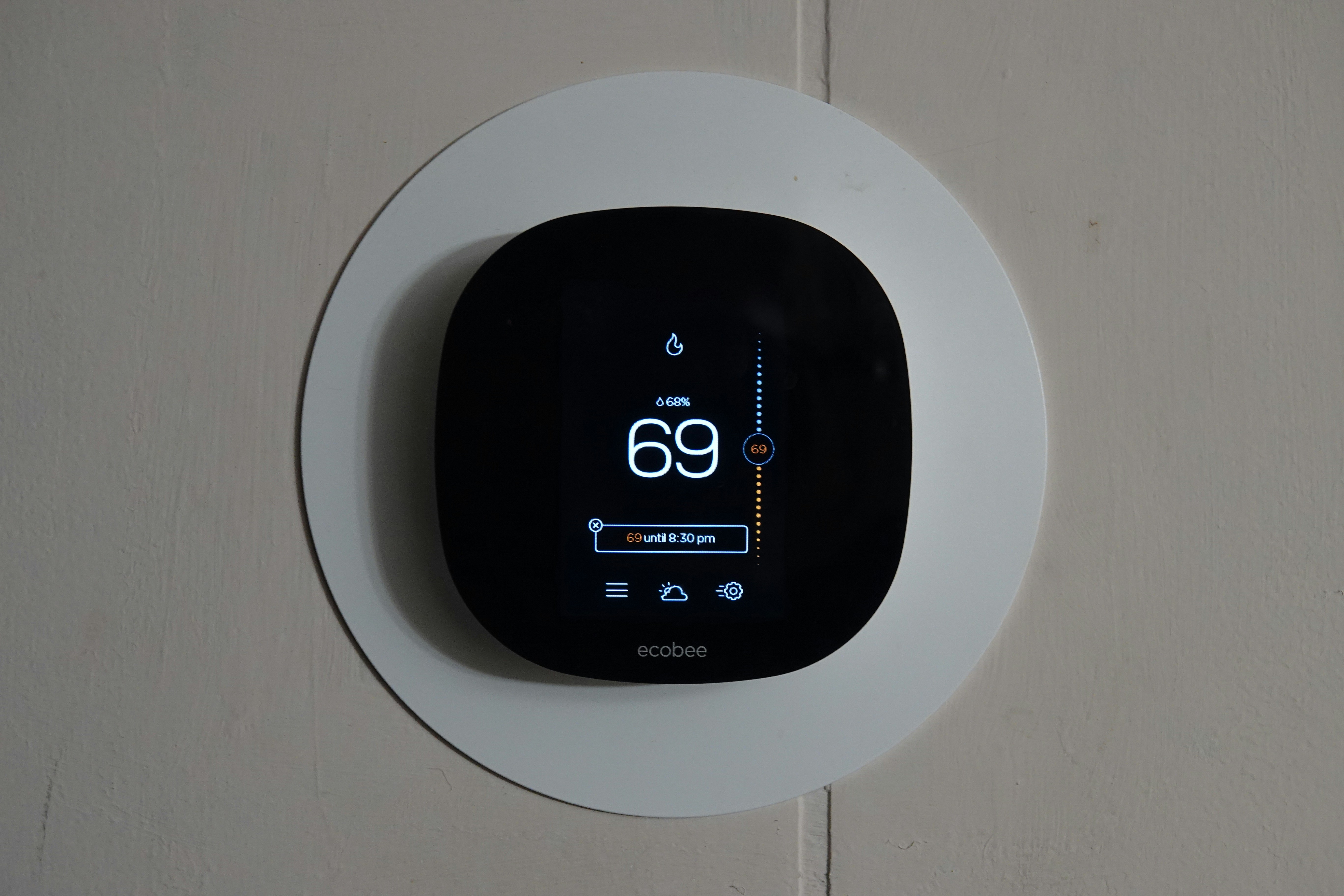
Smart Thermostat Installation in Saratoga, CA
Upgrading to a smart thermostat in Saratoga, CA brings precise temperature control, lower energy use, and easier comfort management for homes that range from mid-century ranches to modern hillside properties. In this area, where winters are mild but summer heat spikes and microclimates affect individual valleys and ridgelines, a smart thermostat helps balance comfort and efficiency by adapting to daily routines, remote weather-driven changes, and zoning differences common in larger Saratoga homes. Below is a clear, expert guide to models, features, compatibility, installation steps, rebate support, and onboarding so you understand exactly what to expect.
Common smart thermostat types and model comparisons
Choosing the right model depends on HVAC compatibility, desired features, and how much automation you want. Key models and their strengths:
- Google Nest: intuitive learning schedules, simple app, strong integration with Google Home voice control, good for homeowners who want automated optimization. Best when you prefer minimal manual setup.
- Ecobee: robust sensor support for multi-room comfort, strong occupancy detection and scheduling flexibility, integrates well with Apple HomeKit and Alexa. Recommended for homes with hot/cold spots or multiple zones.
- Honeywell and other manufacturers: solid compatibility across older systems, often more cost-effective and flexible with legacy wiring setups.
- Less-known brands: can be useful for niche needs such as commercial-grade zoning or advanced BACnet integration, but check local support and warranty.
When comparing Nest vs Ecobee specifically: Nest excels at automatic learning and a clean interface; Ecobee is preferred if you need additional remote sensors and fine-grained control of multiple rooms.
Common smart thermostat issues in Saratoga, CA homes
Many installation challenges are predictable in the local housing stock. Typical issues we see:
- No C-wire or weak common power: older homes may lack a dedicated C-wire, causing intermittent power or reliance on batteries. Solutions include adding a C-wire, using a power extender, or choosing a model that supports alternative power options.
- Wi-Fi coverage problems: thick walls, attic-mounted equipment, or distance to the router can interrupt connectivity. Mesh Wi-Fi or relocating the thermostat slightly can resolve dropouts.
- Compatibility with heat pumps, dual-fuel systems, or zoning: systems with heat pumps, multi-stage heating, or hydronic elements require careful wiring and configuration to avoid control conflicts.
- Sensor placement and false occupancy: open floor plans, ceiling fans, or pets can confuse motion-based presence detection unless sensors and settings are optimized.
- Legacy control signals: older 24V control panels or proprietary zoning controls sometimes need intermediate relays or adapters.
Assessment and pre-installation checklist
Before installation, a proper assessment prevents surprises:
- Identify HVAC type: single-stage furnace, multi-stage heat pump, hybrid/dual-fuel, ductless mini-split, or hydronic system.
- Verify existing wiring at the thermostat: presence of R, W, Y, G, C, and any O/B or Aux terminals. Take a photo of the control board and thermostat wiring for reference.
- Inspect zoning controls: note damper control panels or multiple thermostat wires feeding a central zoning board.
- Test Wi-Fi signal strength at the thermostat location and plan for mesh nodes if necessary.
- Check for local utility rebate eligibility and required model lists or installation documentation.
Step-by-step installation process
A professional installation follows clear steps to ensure safety and reliable operation:
- Power down HVAC at the breaker to prevent shorts.
- Remove old thermostat and label wires; take photos for reference.
- Confirm wiring and determine if a C-wire or common power solution is needed. If missing, install a dedicated C-wire, use a power adapter, or install a compatible power extender.
- Mount new thermostat base, run wires through the wall, and attach terminals according to the thermostat’s wiring diagram and the HVAC control board. For heat pumps and multi-stage systems, ensure O/B and Aux terminals are correctly assigned.
- Restore power and complete the thermostat’s startup wizard to identify system type, stage setup, fan control, and sensor configuration.
- Connect the thermostat to home Wi-Fi, register the device in the vendor app, and integrate voice assistants if desired.
- Calibrate sensors and set initial schedules or enable learning mode. For zoned systems, test each zone damper and verify independent control where applicable.
- Final testing: run heating, cooling, and emergency heat cycles as needed; monitor for short cycling, false calls, or compatibility errors.
Features to configure and what they do
Understanding the features helps you get the most from the device:
- Smart scheduling and learning: automatically builds efficient schedules based on your habits or allows manual setup for exact routines.
- Geofencing: uses your phone location to switch between home and away modes to reduce wasted heating or cooling.
- Remote control: access climate controls from anywhere via smartphone apps to pre-cool or pre-heat before arriving home.
- Room sensors and occupancy detection: improve comfort in rooms that differ from main thermostat location and support presence-aware temperature control.
- Integrations: voice control (Alexa, Google Assistant, Siri shortcuts) and smart home platforms for scene-based automation.
- Energy reports: many thermostats provide historical usage breakdowns and tips for efficiency improvements.
Expected energy savings and real-world benefits in Saratoga
In Saratoga homes, smart thermostat installation translates to measurable comfort and efficiency gains:
- Typical energy savings range from around 8 to 15 percent on heating and 10 to 12 percent on cooling depending on user behavior, system efficiency, and whether occupancy features and scheduling are actively used.
- Reduces wear on HVAC equipment by minimizing unnecessary runtime and preventing extreme temperature swings.
- Better comfort in homes with microclimates or uneven zone performance through remote sensors and tailored schedules.
Rebate assistance and user onboarding
Many local utilities and state programs offer rebates for ENERGY STAR rated smart thermostats and upgrades that improve system efficiency. Assistance typically includes:
- Identifying eligible models and rebate requirements for Saratoga area utilities.
- Collecting necessary documentation such as model numbers, proof of purchase, and installation date for rebate applications.
- Completing any required installation certificates or serial number submissions.
User onboarding covers: setting up the app, creating energy-saving schedules, configuring geofencing and alerts, and a short walkthrough on troubleshooting connectivity or mode issues.
Maintenance, troubleshooting and long-term tips
To keep a smart thermostat performing well in Saratoga homes:
- Check battery levels (if applicable) and ensure firmware updates are applied to maintain security and functionality.
- Re-test Wi-Fi connection seasonally, especially before peak summer or winter usage. Consider mesh Wi-Fi if you notice intermittent connectivity.
- Revisit schedules quarterly to match seasonal changes and adjust sensor placement if rooms change use patterns.
- For zoned systems, have dampers and actuators inspected annually to ensure coordination with thermostat commands.
Smart thermostat installation in Saratoga, CA is a practical upgrade that improves comfort, supports local energy efficiency needs, and pairs well with the area’s varied home types and climate conditions. With proper compatibility checks, professional wiring, and tailored onboarding, these systems deliver reliable control and measurable energy savings.
hear what our satisfied clients have to say

.svg)
Service areas
.avif)