

Ductwork Installation in Saratoga, CA
Our Saratoga ductwork installation services focus on precise design, proper layout, and thorough sealing to ensure balanced airflow, improved comfort, and higher energy efficiency. We address common issues like undersized or leaky ducts, using accurate load calculations and quality materials with proper insulation for lasting performance. From initial assessment to final commissioning, our team ensures code compliance, energy savings, and maintenance guidance, providing Saratoga homeowners reliable, year-round comfort and efficiency.
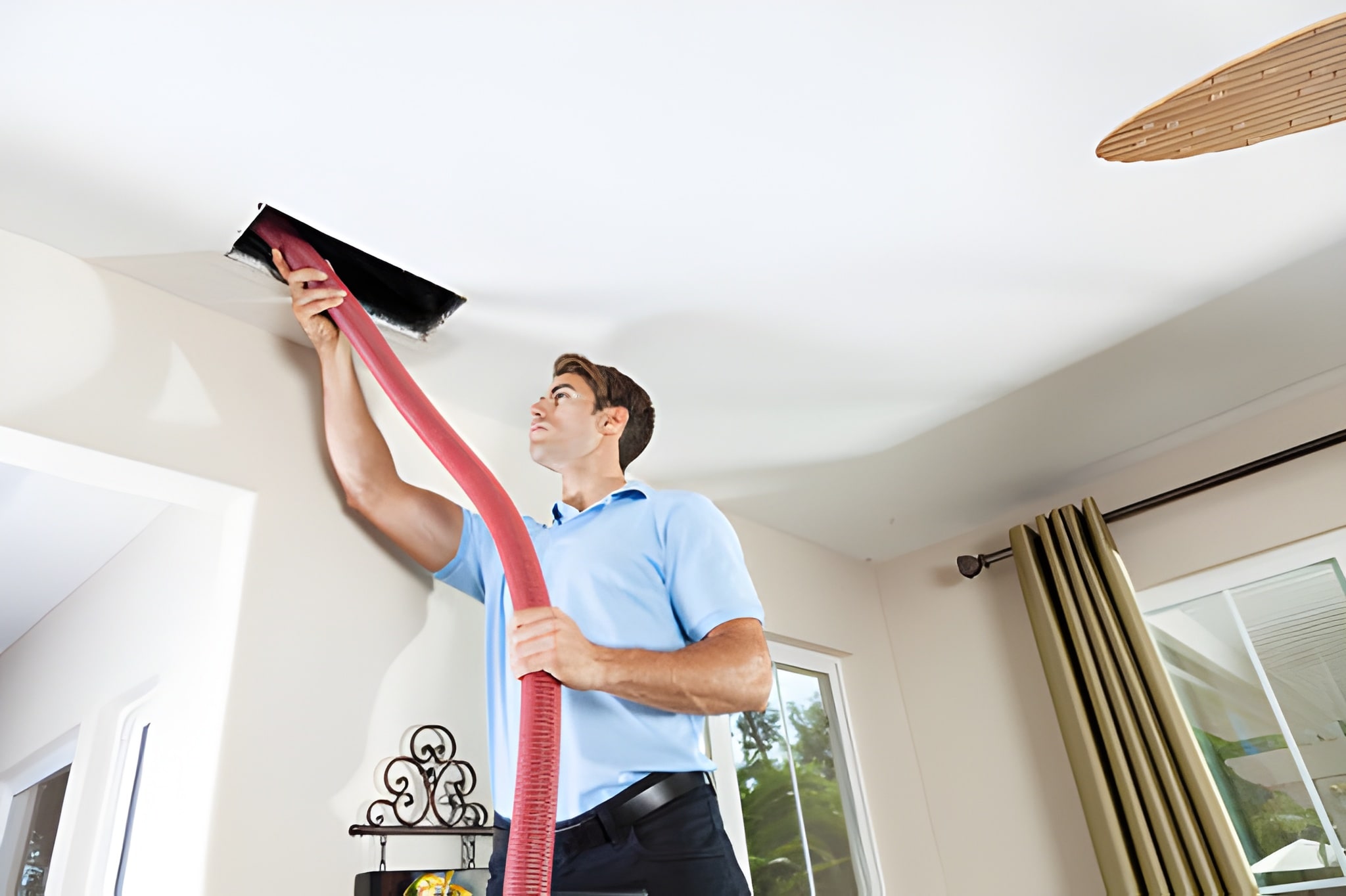
Ductwork Installation in Saratoga, CA
Installing properly designed and sealed ductwork is one of the most effective ways to improve comfort, indoor air quality, and system efficiency in Saratoga, CA homes. Whether you are building a new house, replacing an aging network, or upgrading to a heat pump system, professional ductwork installation ensures even airflow, quieter operation, and lower energy use — all important in a region with warm summers, mild winters, and rising energy costs.
Why ductwork matters in Saratoga homes
Saratoga’s Mediterranean climate means homes get heavy use of cooling in late spring through early fall, and occasional heating in cooler months. Poorly sized or leaky ducts in attics, crawlspaces, or wall chases can cause:
- Uneven room temperatures and hot spots during summer
- Higher energy bills from conditioned air losses
- Short cycling or reduced lifespan of furnaces, air conditioners, or heat pumps
- Dust and infiltration of outdoor particulates in tree-lined neighborhoods
Addressing ductwork at the installation stage fixes these problems before they escalate and helps your HVAC equipment perform as intended.
Common ductwork issues in Saratoga, CA
- Undersized ducts that restrict airflow to rooms on second floors or distant zones
- Leaky joints and seams, particularly in older sheet metal or flex duct runs in attics
- Poor insulation in attic-installed ducts causing heat gain in summer
- Inadequate return air paths leading to negative pressure, dust, and reduced comfort
- Incompatible connections when retrofitting new equipment such as heat pumps
Understanding these typical problems helps guide the design and prevent recurring service calls.
System design and sizing: the foundation of good performance
Proper ductwork begins with a room-by-room load calculation that considers:
- Square footage and room orientation
- Insulation levels and window exposure
- Local climate patterns (Saratoga’s strong solar gain in summer)
- Desired indoor temperature and occupancy patterns
From the load calculation, a qualified technician determines airflow requirements in cubic feet per minute (CFM) and sizes main trunks and branches to maintain balanced static pressure. Good design also plans return paths and zoning to optimize comfort across multiple stories or additions common in Saratoga’s custom homes.
Materials and insulation options
Material selection affects durability, airflow, and thermal performance:
- Sheet metal ducts (galvanized steel or aluminum): durable, low leakage when sealed, best for high-performance systems
- Flexible ducts: useful for tight runs and renovations, but must be properly stretched and supported to avoid kinks and pressure loss
- Ductboard: insulated and easy to install in some applications but less robust in high-traffic spaces
Insulation choices are critical in Saratoga where attic-installed ducts see significant heat gain:
- Fiberglass or foil-faced insulation wraps for metal ducts
- Insulated flexible ducts with tested R-values for attic installation
- Sealing of seams with mastic and metal-backed tape to prevent thermal bypass
Layout planning for optimal airflow
A practical layout considers short, direct runs from the air handler, balanced branch sizing, and accessible registers. Key planning points:
- Locate returns to provide even suction and avoid dead zones
- Minimize long, tortuous runs through attics or crawlspaces
- Design separate zones for upstairs and downstairs when needed
- Avoid routing ducts through unconditioned garages or uninsulated wall cavities
Good layout reduces noise, improves airflow balance, and enhances seasonal comfort.
Integration with furnaces, air conditioners, and heat pumps
Ductwork must match the capacity and airflow characteristics of the connected equipment. Integration steps include:
- Confirming the blower capacity and required static pressure for the air handler
- Designing ductwork to deliver the manufacturer recommended CFM per ton of cooling
- Ensuring proper return and filter access to protect equipment and maintain indoor air quality
- Accounting for heat pump reversal and defrost cycles where applicable
Proper integration prevents short cycling, improves efficiency, and prolongs equipment life.
Code compliance and energy efficiency considerations
Ductwork installation in Saratoga must follow California regulations and local permit requirements. Compliance areas include:
- Proper sealing and insulation levels for ducts in unconditioned spaces
- Accessible service panels and adequate clearances around equipment
- Verification of airflow and leak rates when required by local inspectors
Energy-conscious choices such as high-efficiency sealing, insulated trunks, and appropriate zoning reduce operating costs and align with regional goals to lower energy use.
Step-by-step installation process and timeline
A typical residential duct installation follows these stages:
- On-site assessment and load calculation
- Detailed layout and materials specification
- Permit filing if required by the jurisdiction
- Fabrication and staging of trunks and fittings
- Installation of main ducts, branches, and registers
- Sealing and insulating ducts, and installing returns and filters
- Commissioning: airflow testing, static pressure checks, and system balancing
- Final inspection and documentation for homeowner records
Most whole-home installations take anywhere from several days to two weeks depending on house size, attic or crawlspace access, and any structural modifications needed.
Cost factors and what affects your investment
Installation cost varies based on:
- Home size and number of supply/return outlets
- Accessibility of installation areas (attic, crawlspace, or within walls)
- Type of materials and level of insulation selected
- Need for zoning dampers, new registers, or equipment modifications
- Permit and inspection requirements
Transparent estimates reflect scope, materials, and testing included to ensure predictable outcomes.
Warranty and quality assurance
Reliable installations include:
- Manufacturer warranties for materials and components
- Workmanship warranty covering sealing, installation, and balancing
- Post-installation testing reports documenting airflow and leak rates
- Recommendations for periodic inspection and filter replacement schedules
Quality assurance reduces call-backs and confirms the system will meet performance expectations in Saratoga’s climate.
Long-term benefits and maintenance tips
Well-designed and installed ductwork delivers:
- More consistent indoor comfort during hot summers
- Lower energy bills through reduced distribution losses
- Improved indoor air quality with correct filtration and sealed ducts
- Longer equipment life through reduced strain on blowers
Simple maintenance extends performance:
- Replace filters on schedule and inspect registers for dust buildup
- Have ducts inspected for leaks or disconnected joints every few years
- Check attic insulation and duct insulation integrity after any roof or attic work
Proper ductwork installation in Saratoga, CA is an investment in comfort, efficiency, and home value. Thoughtful design, professional installation, and routine maintenance ensure systems perform reliably for years.
hear what our satisfied clients have to say

.svg)
Service areas
.avif)