

Ductwork Repair in Saratoga, CA
Ductwork repair in Saratoga, CA helps homes maintain comfort, efficiency, and healthier indoor air by addressing leaks, misalignment, and degraded insulation. Our process begins with thorough diagnostics—visual inspection, pressure testing, thermal imaging, and airflow measurements—to identify root causes and prioritize sealing, replacement, or cleaning. We offer methods such as professional sealing, section replacement, insulation updates, rebalancing, and noise reduction. Timelines range from hours to a few days, with cost driven by accessibility, extent of damage, and system complexity.
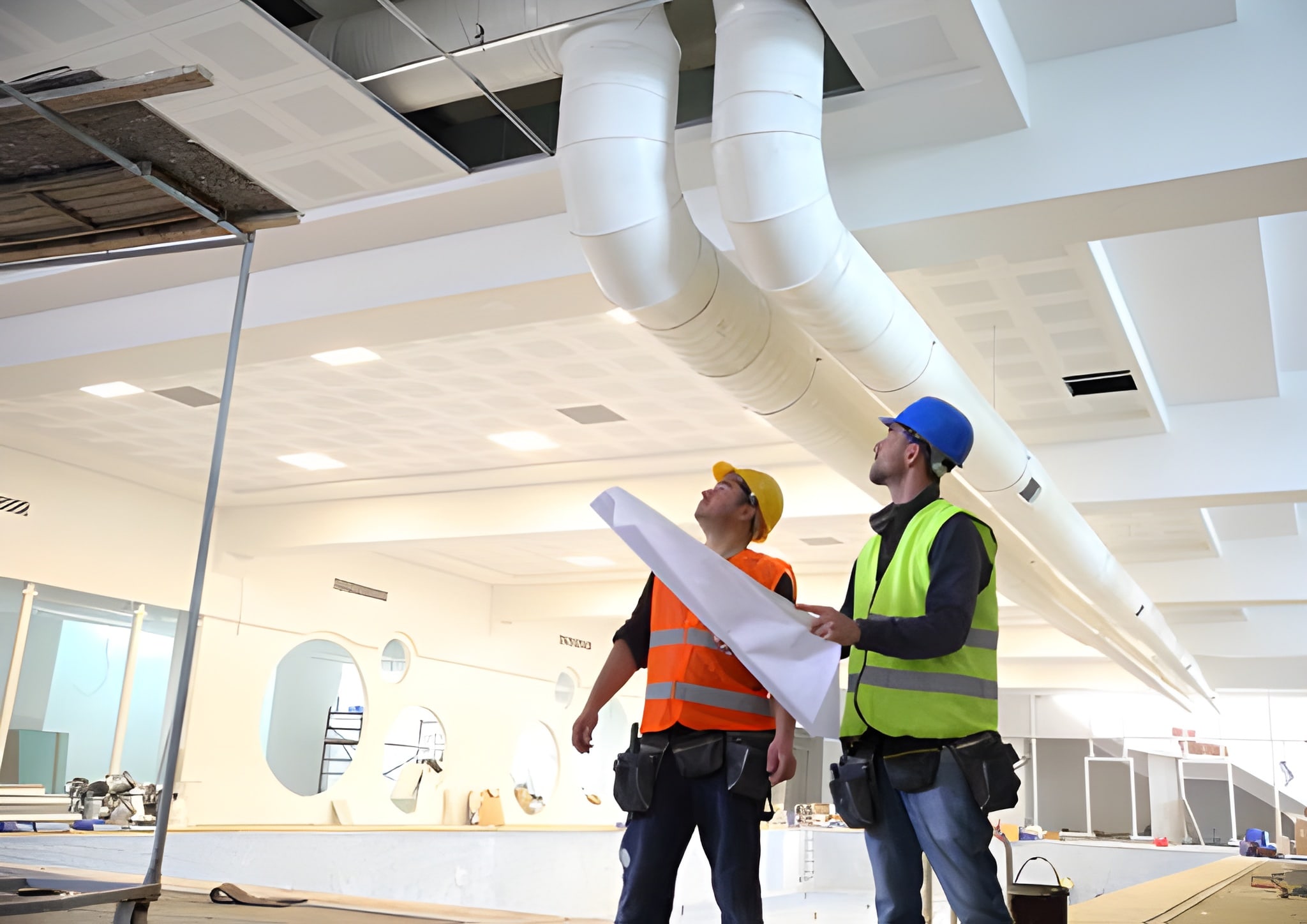
Ductwork Repair in Saratoga, CA
Maintaining healthy, efficient ductwork is one of the most impactful things you can do for comfort, energy use, and indoor air quality in Saratoga, CA homes. Whether your system is losing conditioned air through leaks, making noise, or spreading dust and odors, timely ductwork repair restores airflow balance and reduces wear on your HVAC equipment. This page explains the common duct repair services we perform in Saratoga, how we diagnose problems, typical timelines and cost factors, and the measurable benefits you can expect after repairs.
Why ductwork repair matters in Saratoga homes
Saratoga’s Mediterranean climate — warm, dry summers and cool, damp winters — combined with many older, hill-area houses creates several common ductwork challenges:
- Hot attic temperatures can degrade insulation and flexible duct materials, increasing energy loss.
- Seasonal wildfire smoke and local dust can infiltrate compromised duct systems, worsening indoor air quality.
- Older or remodeled homes often have improvised duct runs, gaps at boot connections, or poorly sealed joins that reduce system efficiency.
- Hillside properties and earthquake activity can shift duct mounting, causing disconnects or air leaks.
Addressing these issues through professional ductwork repair improves comfort, reduces utility waste, and helps protect indoor air from outdoor pollutants.
Common ductwork problems we repair
- Leak detection and sealing: Gaps at seams, takeoffs, boots, or connections allow conditioned air to escape into attics, crawlspaces, or garages.
- Replacing damaged sections: Collapsed, crushed, corroded, or rodent-damaged duct runs and flex ducts are removed and replaced.
- Insulation repair and replacement: Missing or degraded insulation on ducts in unconditioned spaces increases thermal loss and strain on systems.
- Airflow imbalances and zoning issues: Uneven room temperatures caused by improper duct sizing, blockages, or damper settings.
- Noise and vibration fixes: Rattling, whistling, or booming due to loose ducts, poor support, sharp bends, or high static pressure.
- Cleaning and mold remediation: Removal of excessive dust, debris, and microbial growth when contamination is present.
- Connections and boot repairs: Sealing supply boots, returns, and transition fittings to stop leaks and drafts.
How we diagnose duct problems
Accurate diagnosis determines the right repair plan. Common diagnostic steps include:
- Visual inspection of accessible ductwork in attics, basements, and utility spaces to spot disconnected sections, crushed runs, or visible mold.
- Pressure testing / duct leakage testing (duct blaster) to quantify total leakage and find large leaks by pressurizing the system.
- Thermal imaging to reveal temperature loss through leaks or poorly insulated ducts.
- Smoke testing or fogging to visibly trace where air escapes from seams or joints.
- Airflow measurements using anemometers or flow hoods to identify imbalanced vents and high static pressure.
- Indoor air quality checks for elevated particulates or signs of microbial contamination when occupants report odors or health symptoms.
These diagnostic methods let technicians prioritize sealing, replacement, or cleaning so repairs deliver the biggest efficiency and health benefits.
Repair methods and what they include
- Professional sealing: Use of mastic sealant and metal-backed (UL 181) foil tape on sheet metal seams, takeoffs, collars, and boots. Mastic provides a long-lasting airtight bond vs. common cloth tape.
- Section replacement: Removing compromised flex or sheet-metal sections and installing properly sized, supported duct runs with airtight collars and transitions.
- Insulation repair: Adding or replacing duct insulation with materials rated for attic environments and proper vapor control to preserve R-value.
- Rebalancing and damper adjustment: Correcting airflow with manual dampers, diffusers, or by resizing problem branches to deliver even temperatures.
- Noise control: Installing additional supports, smoothing sharp bends, or adding sound attenuators where airflow noise is persistent.
- Cleaning and mold remediation: HEPA vacuuming and mechanical agitation where necessary, combined with targeted antimicrobial treatments and removal of contaminated materials when required. Remediation is paired with repairs to stop recurrence.
Expected timelines and cost factors
Typical timelines:
- Minor sealing and diagnostic visits: often completed within a half day to a full day.
- Replacing sections, insulation upgrades, or airflow balancing: commonly 1 day on smaller homes; larger or difficult-access systems may take 1–3 days.
- Cleaning and mold remediation: can range from a day for localized work to multiple days when extensive contamination or repairs are needed.
Key cost drivers:
- Accessibility (attic vs. in-wall vs. crawlspace) — harder-to-access ducts increase labor time.
- Extent of leakage or damage — widespread replacement costs more than targeted sealing.
- Need for mold remediation or removal of contaminated insulation — adds time and specialized handling.
- System size and complexity — larger multi-branch systems require more materials and labor.
- Material choices — insulated sheet metal, flexible ducting, and high-quality sealants vary in cost.
Rather than one-size pricing, repairs are scoped after inspection to ensure you get the right combination of sealing, repair, and cleanup for lasting results.
Measurable benefits after ductwork repair
- Lower energy use and reduced HVAC runtime: Sealing leaks and insulating ducts can significantly cut conditioned air loss, letting your system reach setpoints faster and run less.
- Improved comfort and balanced rooms: Properly sized and sealed ducts stabilize temperatures and eliminate hot/cold spots.
- Better indoor air quality: Sealing and cleaning reduce dust, pollen, smoke, and mold spores that travel through the duct system.
- Longer HVAC equipment life: Reduced strain from shorter runtimes and correct airflow lowers wear on the furnace and air conditioner.
- Quieter operation: Correcting loose ducts and smoothing airflow pathways reduces distracting noises.
Maintenance advice to protect repairs
- Schedule periodic duct inspections, especially after major storms or attic work.
- Replace HVAC filters regularly with the appropriate MERV rating for your needs; during wildfire season consider higher-efficiency filters compatible with your system.
- Keep attic and crawlspace ventilation in good repair to prevent excessive heat or moisture that degrades insulation and duct materials.
- Seal attic floor bypasses (recessed lights, gaps) to reduce pressure differences that drive leakage.
- If mold or persistent odors return, address underlying moisture sources and re-inspect duct sealing.
Ductwork repair in Saratoga, CA addresses the specific climate stresses, wildfire exposure, and home construction types common in the area. Proper diagnosis, high-quality sealing or replacement, and targeted cleaning deliver measurable improvements in efficiency, comfort, and indoor air quality—protecting both your home and your HVAC investment.
hear what our satisfied clients have to say

.svg)
Service areas
.avif)