

Ductwork Repair in Santa Clara, CA
Our Santa Clara ductwork experts address common issues like leaks, disconnections, insulation gaps, and uneven airflow that impact comfort and efficiency. Using diagnostic methods such as pressure testing, smoke tests, and thermal imaging, we identify the root causes and provide reliable solutions including sealing, section replacement, re-insulation, and balancing. With clear timelines and tailored maintenance guidance, we ensure improved airflow, energy efficiency, and long-term system performance for your home.
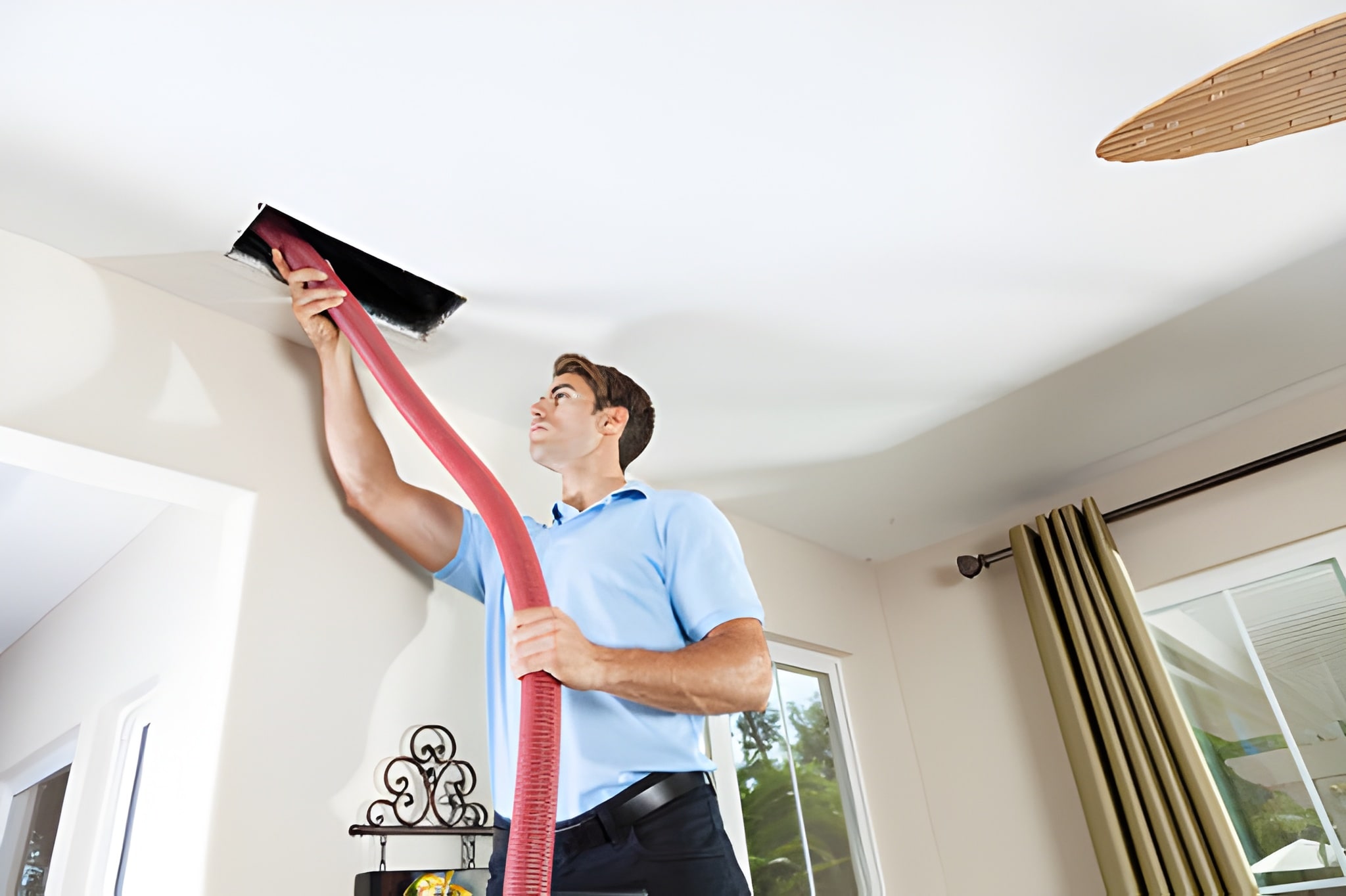
Ductwork Repair in Santa Clara, CA
Well-maintained ductwork is the backbone of consistent comfort and energy efficiency in Santa Clara homes and businesses. Whether you are dealing with uneven room temperatures, rising utility bills, lingering odors after wildfire smoke, or reduced HVAC performance, professional ductwork repair in Santa Clara, CA addresses the root causes so your system performs reliably year round. This page explains common duct problems in the area, how diagnostics work, the repairs you can expect, typical timelines, the improvements you should see, and recommended follow-up maintenance tailored to local conditions.
Why ductwork repair matters in Santa Clara
Santa Clara experiences warm, dry summers and mild winters, with occasional poor air quality from regional wildfires and urban pollution. Leaky, disconnected, or inadequately insulated ducts allow conditioned air to be lost to attics, crawlspaces, or wall cavities and allow dust, smoke, and outdoor contaminants to enter your living space. Repairing and sealing ducts improves comfort, reduces HVAC runtime, lowers energy waste, and helps keep outdoor smoke and odors from circulating through your home or office.
Common ductwork issues in Santa Clara homes and businesses
- Leaking joints and seams: Aging metal or flex duct connections can develop gaps that let conditioned air escape into the attic or crawlspace.
- Disconnected or crushed ducts: Renovations, pests, settling, or foot traffic in attics can disconnect or collapse flexible ducts, choking airflow.
- Poor insulation: Ducts routed through unconditioned attics or outside walls may have insufficient insulation, causing cooling losses in summer.
- Imbalanced airflow: Room-to-room temperature differences often result from restrictive runs, undersized ducts, or improper register balancing.
- Contaminant and odor intrusion: Wildfire smoke, cooking odors, pet dander, and mold spores can enter through leaks or contaminated plenum areas.
- Deteriorated sheet metal or mastic: Corrosion, repeated thermal cycling, and mechanical stress can degrade rigid ductwork over time.
How we diagnose duct problems
Effective repairs begin with accurate diagnostics. Common diagnostic methods used for ductwork repair in Santa Clara include:
- Pressure testing (duct blaster or blower door tied-in tests): Pressurizes the duct system to quantify total leakage and locate high-leak zones by measuring pressure differentials. This gives a measurable baseline to verify repairs.
- Smoke testing and theatrical fog: Introduces visible smoke or fog at the return to reveal escaping air and pinpoint leaks at seams, collars, and register boots.
- Thermal imaging: Infrared cameras reveal temperature differentials along ducts and in surrounding spaces, helping find poorly insulated runs and leaks that are otherwise hidden.
- Visual inspection: Attic, crawlspace, and plenum inspections identify crushed, disconnected, or contaminated ducts and evaluate insulation condition.
- Airflow measurements: Anemometers and flow hoods measure supply and return flows at registers to identify imbalance and undersized runs.
These methods are often used together to build a full picture of duct condition and to prioritize repairs that deliver the most comfort and efficiency gains.
Typical repairs and what they involve
- Leak detection and sealing: Sealing joints, seams, and register boots with code-compliant mastic or metal-backed tapes. This is the most cost-effective way to reduce energy waste and prevent contaminant ingress.
- Sectional replacement: Removing and replacing damaged sections of sheet metal or flexible duct when repair is not practical. Replacement restores structural integrity and airflow.
- Re-insulation: Adding or replacing insulation on ducts in unconditioned spaces to maintain supply-air temperature and reduce condensation risk during summer.
- Fixing disconnected or crushed ducts: Reattaching duct runs and replacing crushed flexible duct with properly supported, straight runs to restore full airflow.
- Airflow balancing: Adjusting dampers, resizing or reorienting supply registers, and correcting return pathways to eliminate hot or cold spots and improve system cycling.
- Odor and contaminant mitigation: Cleaning or sanitizing contaminated duct interiors, sealing bypasses, and improving filtration and return sealing to reduce smoke, odor, or particulate circulation.
Each repair option is selected based on diagnostic findings and the layout of your home or building. Work performed to current standards ensures long-term reliability and safer indoor air quality.
Typical timelines for repair work
- Minor repairs such as sealing visible leaks, tightening connections, and fixing a single disconnected run are often completed in a single half day to full day.
- Moderate jobs, including re-insulation of attic ducts or multiple sectional replacements, typically take 1 to 2 days depending on attic access and the extent of work.
- More extensive projects involving systemic replacement, major rerouting, or full system balancing can take several days to a week, particularly in larger homes or commercial spaces.
Timelines vary with access, permit requirements (for some commercial or major changes), and whether additional work like HVAC tune-ups or duct cleaning is coordinated.
What improvements to expect
After professional ductwork repair in Santa Clara, CA you should notice:
- More consistent temperatures across rooms and fewer hot or cold spots.
- Reduced HVAC runtimes and improved system cycling, which typically improves energy efficiency and comfort.
- Better indoor air quality with fewer odors and reduced infiltration of outdoor smoke and particulates.
- Lower energy waste from previously lost conditioned air, which helps systems keep up with demand during Santa Clara heat waves.
- Quieter operation when leaks and loose connections that caused whistling or vibration are addressed.
Documented pre- and post-repair airflow and leak tests provide measurable confirmation of improvements.
Recommended follow-up and maintenance
- Annual duct inspection: Visual checks in the attic and returns, and a focused leak test every 1 to 3 years, especially after renovation or pest activity.
- Filter maintenance: Replace or upgrade filters seasonally and consider higher MERV ratings if smoke or allergens are concerns.
- Attic and crawlspace improvements: Ensure ducts are supported, protected from pests, and separated from contaminant sources. Improve attic ventilation and insulation to reduce thermal stress on ducts.
- System tune-up: Coordinate duct repairs with HVAC maintenance to ensure equipment and ductwork are optimized as a system.
- After wildfire season: If your home experienced heavy smoke exposure, consider targeted cleaning and sealing to reduce lingering odors.
Regular attention prevents small leaks from becoming larger issues and preserves the energy and comfort gains of repairs.
Final considerations for Santa Clara properties
Ductwork repair in Santa Clara, CA should be approached with local factors in mind: attic temperature swings during hot summers, periodic wildfire smoke, and a mix of older tract homes and modern remodels that can hide duct vulnerabilities. Proper diagnostics and prioritized repairs deliver the greatest return in comfort and air quality. By sealing leaks, restoring insulation, and balancing airflow, your duct system can better support efficient heating and cooling while protecting indoor air from regional contaminants.
hear what our satisfied clients have to say

.svg)
Service areas
.avif)