

Heating Repair in Millbrae, CA
For residential heating repair services in Millbrae, CA, we cover common problems across furnaces, heat pumps, and ductless systems. We outline methodical diagnostic steps, from initial assessment to airflow testing, safety checks, and system operation verification. You'll learn about typical repairs and part replacements, emergency options, estimated timelines, and cost factors. We also cover technician qualifications, warranties, scheduling preparations, and preventive maintenance tailored to Bay Area conditions, helping homeowners plan cost-effective, reliable heating solutions for lasting comfort.
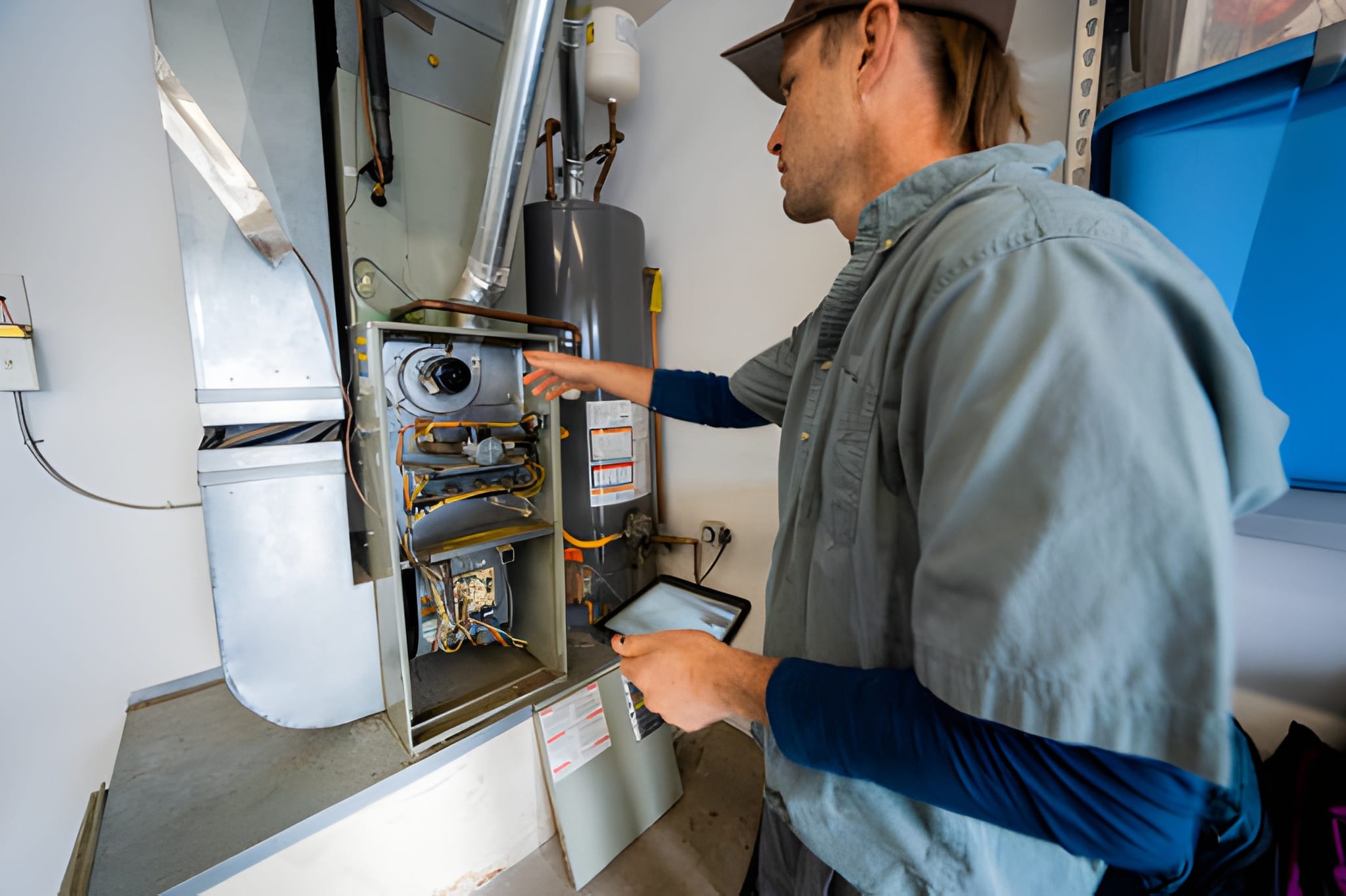
Heating Repair in Millbrae, CA
Keeping your heating system reliable in Millbrae, CA matters even though Bay Area winters are relatively mild. Coastal fog, cool nights, and temperature swings can expose failing components and reduce indoor comfort. This page explains common heating system repair services available for Millbrae homes, the diagnostic and troubleshooting steps technicians use for furnaces, heat pumps and ductless systems, typical part replacements, emergency response options, realistic repair timelines, technician qualifications and warranty information, and clear instructions on how to schedule service.
Common heating problems in Millbrae homes
Millbrae homeowners typically see these service requests for residential heating systems:
- Furnaces
- No heat or intermittent heating
- Ignition or pilot failures
- Persistent cycling or short cycles
- Blower motor failures and noisy operation
- Heat pumps (air-source)
- Reduced heating capacity on cold mornings
- Frozen outdoor unit or refrigerant leaks
- Reversing valve failures or compressor issues
- Inefficient defrost cycles
- Ductless mini-split systems
- Indoor unit not producing heat
- Sensor or control board faults
- Communication errors between indoor and outdoor units
- Ductwork and controls
- Leaky or poorly insulated ducts causing uneven warmth
- Thermostat calibration or wiring problems
- Poor airflow from clogged filters or obstructed vents
Local factors in Millbrae — such as salt air exposure near the coast and tightly sealed newer construction — can accelerate corrosion on outdoor components and highlight duct sealing or ventilation issues that reduce system efficiency.
Diagnostic procedures and troubleshooting
A methodical diagnostic process reduces surprises and focuses repairs where they will deliver the most value:
- Initial assessment: Review homeowner complaints, system history, age and any recent changes (new windows, insulation, or thermostat upgrades).
- Visual and safety checks: Inspect burners, heat exchangers, wiring, panels, and outdoor unit condition for corrosion or rodent damage.
- Electrical and control tests: Verify voltage, continuity and control signals; check thermostat settings and sensor operation.
- System operation checks: Run the system through a full heating cycle to observe ignition, blower operation, refrigerant pressures (for heat pumps), and defrost behavior.
- Airflow and duct diagnostics: Measure static pressure and airflow, inspect filters and vents, and use smoke or pressure testing for leaks when needed.
- Clear reporting: Provide a prioritized list of recommended repairs, safety concerns and likely outcomes.
This diagnostic approach helps homeowners understand whether a quick repair, a major part replacement, or a longer-term replacement plan is the best option.
Typical repairs and part replacements
Common components replaced during heating repair work include:
- Igniters and pilot assemblies (furnaces): Frequently fail after years of use and cause no-heat calls.
- Thermostats and control boards: Replace when communication or sensor faults disrupt operation.
- Blower and fan motors: Wear and bearings cause noisy or no airflow issues; motors are commonly replaced.
- Valves and actuators: Gas valves, zone valves and diverter actuators can stick or fail.
- Compressors and reversing valves (heat pumps): Major failures that affect heating and cooling cycles.
- Refrigerant leak repair and recharge (heat pumps): Requires EPA-certified handling and accurate pressure and temperature validation.
- Condensate pumps and drains: Clogs cause safety shutdowns, particularly in high-humidity or coastal locations.
- Duct sealing and insulation: Improves efficiency and delivery of warm air to living spaces.
Repair selections are made based on safety, cost-effectiveness, and expected remaining life of the system.
Emergency response and what to expect
Heating emergencies in Millbrae commonly occur on cold nights or when safety devices trip. Emergency response options typically include:
- Rapid safety triage: A technician will isolate hazards like gas leaks, electrical shorts, or carbon monoxide risks before further diagnostics.
- Temporary measures: Short-term fixes may be applied to restore limited heat while parts are ordered (for example, bypassing a faulty control within safe limits or installing a temporary igniter).
- Priority scheduling: Emergency responses are prioritized for safety-critical failures, loss of heat in vulnerable households, or when a malfunction creates a hazardous condition.
During an emergency visit, expect a focused safety inspection, clear explanation of immediate risks, and a plan for repair or temporary mitigation. Emergency service often shortens diagnostic and arrival windows compared with standard appointments.
Estimated repair timelines and cost factors
Typical repair timelines for residential heating work in Millbrae:
- Minor repairs and adjustments (filters, thermostats, igniters): often completed within 1 to 3 hours.
- Moderate repairs (blower motor, valves, electrical control replacements): commonly completed within a single visit lasting several hours.
- Major repairs or parts that must be ordered (compressor replacement, major control modules): may require multiple visits with parts procurement and scheduling that can extend to several days.
Cost is influenced by multiple factors without a single standard figure:
- Type and age of system (furnace, heat pump, ductless)
- Availability and lead time for replacement parts or manufacturer-specific components
- Complexity and accessibility of the installation (ductwork access, attic or crawlspace work)
- Whether refrigerant handling and EPA-certified services are required
- Permit or inspection requirements for gas line or major electrical work
- Emergency or after-hours service needs
Discussing scope and alternatives with the technician during diagnostic review helps align budget, timeline and system longevity goals.
Technician qualifications and warranty information
When evaluating technicians for heating repair in Millbrae, look for these qualifications and assurances:
- Proper licensing and certification: Relevant HVAC trade license appropriate to California, and EPA 608 certification for refrigerant handling when servicing heat pumps.
- Manufacturer training: Certification or factory training for specific brands and models ensures correct diagnostics and warranty-safe repairs.
- Background checks and continuing education: Technicians who keep current with code changes and training offer better long-term solutions.
- Written warranty options: Reputable repairs are accompanied by clear, written warranties covering labor and parts. Warranty types vary — short-term labor warranties and manufacturer-backed part warranties are common — and exclusions (wear items, misuse, or preexisting conditions) should be specified in writing.
- Documentation: Post-service reports should list replaced parts, operational readings, and maintenance recommendations.
Requesting written clarification of warranty terms and retained replacement part policies allows for informed decisions without surprises.
How to schedule service (what to prepare)
To make a booking or appointment process smoother, have these items ready when you arrange a service visit:
- System details: Model, make, and age of the furnace, heat pump, or ductless units; any prior service records if available.
- Problem description: When the issue started, error codes or thermostat messages, and any recent changes to the home.
- Home access and constraints: Preferred appointment windows, whether pets need securing, and accessibility of equipment (attic, crawlspace, fenced yards).
- Safety concerns: Note any obvious odors, visible damage, or health-related concerns that increase priority.
- Preferred follow-up: Whether you want a written estimate, emergency prioritization, or a timeline for parts-ordering if required.
- Availability for technician questions: A phone or email contact for clarifying questions before arrival.
Providing this information helps technicians arrive prepared, perform a thorough diagnostic, and complete repairs efficiently.
Preventive maintenance and benefits
Timely repairs and annual maintenance extend equipment life, restore efficiency and reduce unexpected failures. Regular maintenance tasks particularly relevant in Millbrae include keeping outdoor units clear of salt buildup and vegetation, replacing filters seasonally, sealing ductwork exposed to unconditioned spaces, and verifying thermostat scheduling for overnight temperature swings. Proactive care reduces emergency callouts and helps maintain indoor comfort year-round.
Heating repair in Millbrae, CA focuses on safety, dependable diagnostics and repairs tailored to the local climate and typical Bay Area home configurations. Understanding the diagnostic process, likely repairs, emergency options, timelines, technician qualifications and how to prepare for service helps homeowners make confident, cost-effective decisions about their heating systems.
hear what our satisfied clients have to say

.svg)
Service areas
.avif)