

Heating Maintenance in Millbrae, CA
Heating maintenance in Millbrae, CA, explains why seasonal tune-ups truly matter for gas furnaces, boilers, and heat pumps in our coastal climates. Our guide outlines a comprehensive routine, from meticulous filter and burner inspections to thorough duct checks, critical safety tests, and performance verification. We describe our visit steps, flexible membership tiers, and clear pricing expectations, plus how regular Plum HVAC service reduces deterioration, improves efficiency, and lowers your risk of emergency repairs. We also highlight the best timing for inspections and key considerations for coastal moisture and salt air. Protecting your system truly matters.
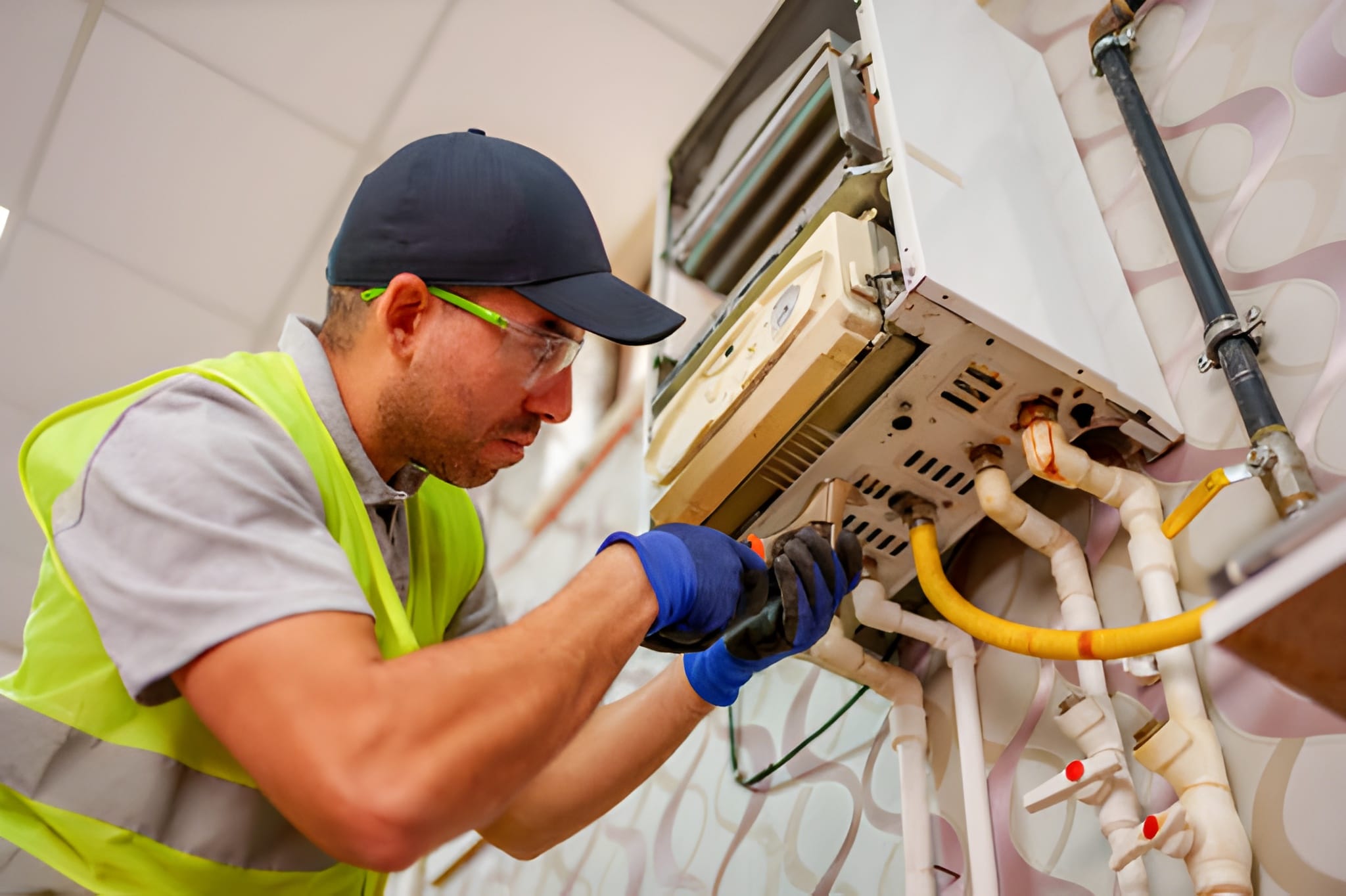
Heating Maintenance in Millbrae, CA
Keeping your home warm, efficient, and safe in Millbrae, CA starts with planned heating maintenance. Whether you have a gas furnace, boiler, or heat pump, seasonal tune-ups target the small issues that lead to mid-season failures and high energy bills. This page lays out what routine and seasonal heating maintenance includes, why it matters for Millbrae homes, membership options, expected costs and frequency, and how regular upkeep prevents costly breakdowns.
Why heating maintenance matters in Millbrae, CA
Millbrae’s mild Mediterranean climate and frequent coastal fog create a unique set of conditions: heating demand is moderate but essential on cool, damp mornings and evenings. Coastal moisture and occasional salt air exposure can accelerate corrosion and clog components. Regular maintenance helps systems run efficiently in a climate where heating runs intermittently, reducing wear from frequent start-stop cycles and preventing moisture-related issues like corrosion and mold in ductwork.
Common heating systems in Millbrae and related issues
- Gas furnaces: common in single-family homes; issues include dirty burners, cracked heat exchangers, and draft or venting problems.
- Heat pumps and mini-splits: popular for energy-efficient heating and cooling; common issues include low refrigerant, frozen coils, and restricted airflow.
- Boilers: used for hydronic heating in some older or higher-end homes; watch for leaks, air in the system, and failing circulator pumps.
- Forced-air systems and ductwork: older Millbrae homes may have aging ducts with leaks, poor insulation, or mold growth from coastal humidity.
Typical local problems:
- Reduced efficiency from clogged filters after rainy, foggy periods
- Corrosion in outdoor units or venting components near the coast
- Moisture-related duct contamination or insulation breakdown
- Short cycling due to thermostat or airflow problems
Routine and seasonal maintenance checklist
A thorough maintenance program for Millbrae homes should cover the following items at minimum:
- Filter inspection and replacement or cleaning (recommended every 1-3 months depending on filter type and home conditions)
- Burner inspection and cleaning for gas furnaces; check ignition and flame quality
- Heat exchanger inspection for cracks, corrosion, and proper combustion
- Safety control testing including limit switches, rollout sensors, carbon monoxide risk checks, and pressure switches
- Airflow checks: blower motor inspection, belt condition, fan calibration
- Duct inspection: visual checks for leaks, gaps, condensation, and mold; testing for airflow and static pressure where needed
- Thermostat calibration and settings review
- Refrigerant check and coil cleaning for heat pumps and mini-splits; verify defrost function
- Electrical component check: wiring, contactors, capacitors, and controls
- Combustion and venting inspection: flue and chimney checks to ensure safe exhaust
- Lubrication and mechanical checks: bearings, motors, and moving parts
- System performance test: verify temperature rise, efficiency, and safe operation
What a maintenance visit looks like
A standard seasonal visit typically follows a diagnostic-first approach:
- Visual system walkthrough and homeowner interview about recent performance
- Filter inspection and replacement as needed
- Safety checks on combustion, carbon monoxide risk, and venting
- Mechanical and electrical inspection and minor adjustments
- Airflow and duct assessments; recommendations if further sealing or cleaning is required
- Performance tests and a summary report with prioritized recommendations
The goal is to return the system to optimal, reliable operation and to make simple repairs or identify issues that require more extensive work.
Membership and service agreement options
Maintenance memberships are designed to reduce long-term cost and ensure priority service during peak cold snaps. Typical tiers include:
- Basic annual tune-up: one inspection per year, standard checklist, filter discount
- Standard biannual plan: two visits per year (pre-winter and post-winter), priority scheduling, small parts discount
- Premium plan: biannual visits plus priority emergency scheduling, waived diagnostic fees for covered repairs, discounts on replacements
Membership benefits usually include scheduled reminders, documented service history, priority service during seasonal demand, and a discount on parts and repairs. For Millbrae residents, a biannual plan that includes a pre-winter tune-up and a spring check is often the most cost-effective because it addresses heating readiness and post-season moisture-related issues.
Typical costs and recommended frequency
- Frequency: For most systems in Millbrae, an annual heating inspection before the heating season is the minimum. For heat pumps and systems exposed to coastal moisture, biannual service (pre-winter and spring) is recommended.
- Typical maintenance visit cost: Expect a range depending on system type and depth of service. A basic furnace or heat pump tune-up commonly ranges from a modest service fee to a few hundred dollars per visit. More comprehensive plans or diagnostic visits that include testing and minor repairs will be at the higher end of that range.
- Membership pricing: Annual membership plans commonly fall into a moderate yearly fee plus reduced rates on repairs. The membership often pays for itself through discounts, priority service, and reduced emergency repair frequency.
These ranges vary by provider, system complexity, and whether parts replacement is required. Regular maintenance lowers the chance of expensive, unplanned repairs that can cost significantly more than the maintenance investment.
How maintenance prevents costly breakdowns
Regular maintenance reduces the risk of major failures in several ways:
- Early detection: Identifying worn parts, leaking components, or failing controls before they cause system-wide failure
- Improved efficiency: Clean burners, coils, and filters reduce energy use and prevent overheating or excessive cycling
- Corrosion control: Inspecting and treating components exposed to coastal moisture prevents deterioration that leads to expensive replacements
- Safety assurance: Routine combustion and venting checks reduce carbon monoxide risk and other safety hazards that can result in emergency repairs or liability
- Extended lifespan: Regular lubrication, calibration, and part replacement can extend the useful life of a system by several years, delaying large capital expenses
Final notes on winter readiness and local considerations
Millbrae homeowners benefit most from a targeted approach: schedule a heating inspection in early fall to ensure safe, efficient operation for cool, damp months. Consider adding a spring inspection if your home experiences condensation in ducts, visible corrosion on outdoor units, or persistent humidity issues. Proper filter management, duct sealing, and attention to outdoor unit protection from salt air all help systems perform reliably year-round.
Regular heating maintenance in Millbrae, CA reduces energy waste, improves comfort on chilly coastal mornings, and minimizes the chance of mid-season breakdowns. Following a consistent maintenance schedule tailored to your system type and local conditions keeps heating systems safe, efficient, and longer lasting.
hear what our satisfied clients have to say

.svg)
Service areas
.avif)