Heating Repair in Burlingame, CA
For professional heating repair in Burlingame, CA, our team emphasizes dependable, safe, and efficient solutions to keep your home warm. We cover common furnace and heat pump faults, diagnostic procedures, on-site troubleshooting, and parts replacement. We also discuss emergency and scheduled repair timelines, warranties, and safety assurances. You'll learn how our technicians identify root causes through inspections, tests, and run-throughs, and what to expect from repairs, replacements, and maintenance. Plus, we offer practical tips to extend your system's life, protect your comfort, and maximize energy efficiency in coastal homes.
.jpeg)
Heating Repair in Burlingame, CA
Keeping your home warm, safe, and energy efficient starts with reliable heating repair in Burlingame, CA. Even though Burlingame winters are mild compared with inland regions, cool coastal evenings, fog, and the city’s mix of older and newer homes mean heating systems still experience wear, inefficiency, and unexpected failures. This page explains what to expect from professional heating repair: common furnace and heat pump faults, diagnostic procedures, on-site troubleshooting and parts replacement, emergency and scheduled repair timelines, warranty and quality assurances, and practical tips to extend system life.
Why timely heating repair matters in Burlingame homes
A malfunctioning furnace or heat pump can raise energy bills, cause uneven comfort, and in gas systems create safety risks like carbon monoxide exposure. In Burlingame’s coastal climate, heat pumps are common and can suffer efficiency loss from salt air and humidity, while older furnaces in classic homes can develop rust and combustion-related problems. Prompt diagnosis and repair protect your family, maintain indoor comfort, and prevent small issues from becoming costly failures.
Common heating problems in Burlingame
- Furnace won’t start: Ignition failure, faulty thermostat, or electronic control board issues.
- Intermittent heating cycles: Clogged filters, blocked vents, or blower motor problems causing short cycling.
- Weak or no airflow: Dirty air filters, failed blower motor, or duct restrictions.
- Uneven heating across rooms: Duct leaks, dampers out of balance, or undersized equipment.
- Strange noises: Squealing belts, rattling panels, or compressor noises in heat pumps.
- Heat pump not switching to heat: Defective reversing valve, low refrigerant, or control board faults.
- High energy bills despite normal operation: Reduced efficiency from dirty coils, scale, or failing components.
- Odor or combustion concerns: Soot, gas smell, or pilot/ignition issues requiring immediate attention.
- Water around equipment: Condensate line blockages or leaking heat exchangers.
How heating technicians diagnose problems
A professional diagnostic approach identifies root causes quickly and safely. Typical diagnostic steps include:
- Visual and safety inspection: Check for visible damage, corrosion from coastal air, gas leaks, and proper venting.
- Thermostat and control checks: Verify calibration, wiring, and settings to rule out simple control issues.
- Electrical testing: Measure voltage, current, and continuity on motors, capacitors, and control boards.
- Airflow assessment: Inspect filters, blower assembly, and return/ supply registers to confirm proper airflow.
- Combustion and CO testing (for gas furnaces): Check burners, heat exchanger integrity, and carbon monoxide levels.
- Refrigerant and coil inspection (for heat pumps): Look for leaks, measure refrigerant levels, and evaluate coil condition and defrost cycle.
- Operational run test: Observe full heating cycle to detect intermittent faults, noises, or cycling behavior.
Diagnostics are documented in plain language so you understand the issue, the urgency, and the repair options.
On-site troubleshooting and typical repairs
Once the problem is diagnosed, technicians follow a clear troubleshooting and repair path:
- Clean and replace basic items: Air filters, flame sensors, and condensate lines are often the simplest fixes and restore reliable operation.
- Adjust and calibrate controls: Thermostat recalibration, control board resets, and sensor replacements can resolve many electronic faults.
- Repair or replace mechanical components: Blower motors, belts, fans, and bearings are common on-site fixes for airflow and noise problems.
- Address combustion and safety parts: Pilot assemblies, ignitors, and sealed heat exchangers are repaired or replaced when needed to restore safe operation.
- Heat pump service: Replace failed compressors, reversing valves, contactors, capacitors, or recharge refrigerant after repairing leaks. Defrost cycle components may also be serviced.
- Ductwork and airflow solutions: Seal duct leaks, adjust dampers, and clean return grilles to correct uneven heating.
Technicians bring common replacement parts and diagnostic tools to most service calls so many repairs are completed the same day. When a specialized component is required, the repair plan will include a clear timeline.
Emergency vs scheduled repairs and response times
- Emergency repairs: Situations that threaten safety or leave a home without heat in cold conditions qualify as emergencies. Examples include suspected gas leaks, persistent CO alarm activation, or complete heating failure during cold spells. Emergency responses in Burlingame typically occur the same day and often within a few hours depending on availability and traffic.
- Scheduled repairs: Non-emergency issues like efficiency upgrades, planned part replacements, or minor intermittent faults are scheduled for a convenient time frame, commonly within 24 to 72 hours.
Response times depend on technician availability, parts needed, and local conditions. Expect transparent communication about estimated arrival windows and repair timelines.
Warranty and quality assurances
Reliable heating repair includes clear guarantees:
- Parts warranty: Most replacement parts are covered by manufacturer warranties; technicians will explain applicable warranties for specific components.
- Workmanship guarantee: A workmanship warranty on labor provides assurance that repairs are performed correctly and any follow-up issues related to the recent work will be addressed within an agreed period.
- Safety and code compliance: Repairs are performed to meet safety and local code requirements for Burlingame and San Mateo County, including proper venting, combustion safety, and refrigerant handling.Quality service providers will document repairs, explain what was done, and provide maintenance recommendations to protect warranties and system life.
Tips to extend the life of your heating system in Burlingame
- Change filters regularly: Replace or clean filters every 1 to 3 months depending on use to prevent strain on blower motors and reduce dust buildup.
- Schedule annual maintenance: A preseason check for furnaces and twice-yearly attention for heat pumps (spring and fall) helps catch wear from coastal humidity and salt exposure.
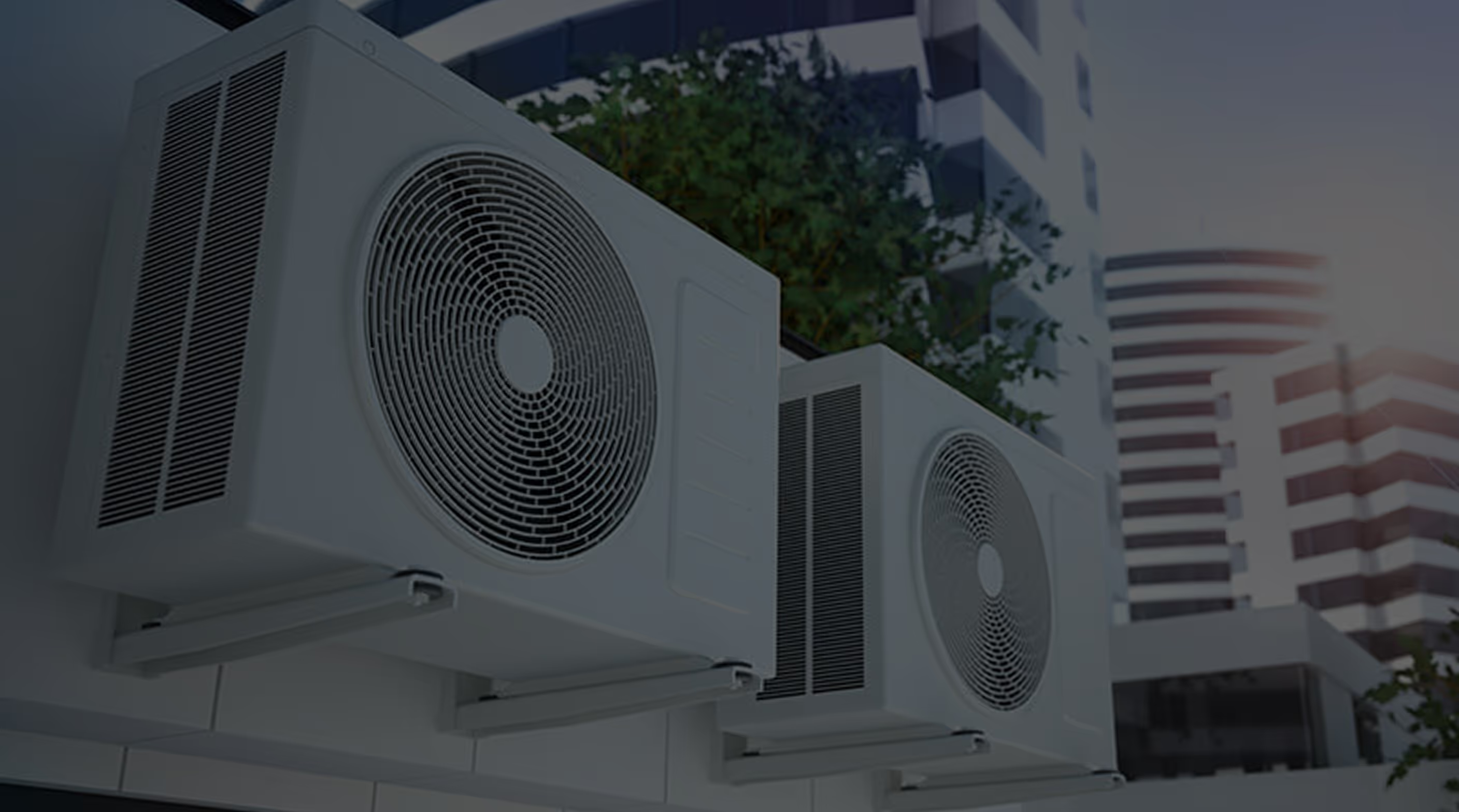
- Keep outdoor units clear: For heat pumps, keep the outdoor unit free from debris, plants, and salt buildup; rinse coils gently when needed.
- Seal and insulate ducts: Properly sealed and insulated ductwork reduces energy loss and improves comfort.
- Maintain thermostat upgrades: Consider programmable or smart thermostats to reduce cycling and wear while improving comfort control.
- Monitor for early signs: Odd noises, higher bills, or uneven heating are early warning signs—address them quickly to avoid larger failures.
Timely heating repair in Burlingame, CA protects comfort, safety, and efficiency. Understanding common faults, diagnostic steps, repair processes, and maintenance best practices helps homeowners make informed decisions and preserve system value and reliability over time.
hear what our satisfied clients have to say

.svg)
Service areas
.avif)