

Heating Maintenance in Burlingame, CA
Heating maintenance in Burlingame, CA, gets a comprehensive overview here, covering seasonal tune-ups, crucial safety checks, and preventative plans for furnaces, boilers, heat pumps, and ducted systems. We explain how regular inspections from Plum HVAC significantly reduce energy use, prevent costly breakdowns, extend equipment life, and protect your indoor air quality. We detail the steps of a typical tune-up, from safety testing and coil cleaning to lubrication and thorough duct inspections. We also outline our maintenance agreements, easy enrollment, flexible scheduling, and the long-term value of proactive care for your home.
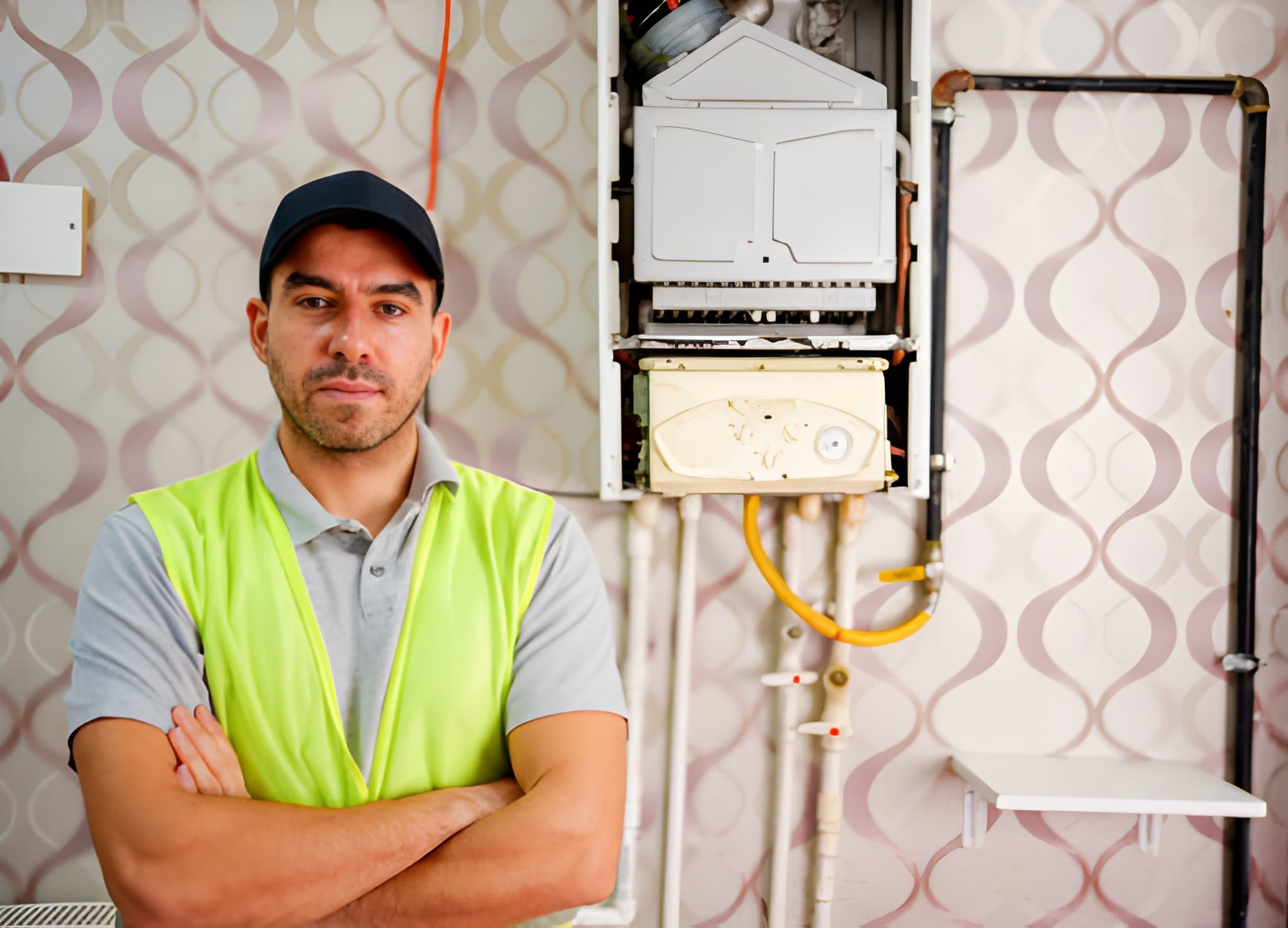
Heating Maintenance in Burlingame, CA
Keeping your heating system reliable, efficient, and safe is important in Burlingame, CA, even though winters are generally mild. Regular heating maintenance prevents unexpected breakdowns during cool, damp spells, reduces energy use, and extends equipment life. This page explains routine heating maintenance programs — seasonal tune-ups, filter and component inspections, safety and efficiency checks, cleaning burners and coils, and scheduled preventative maintenance plans — and explains how maintenance agreements typically work for Burlingame homes.
Why heating maintenance matters in Burlingame, CA
Burlingame’s coastal climate brings mild temperatures but frequent fog and higher humidity. That marine influence can lead to:
- Increased moisture in ductwork and combustion components, raising mold risk
- Faster corrosion on outdoor units and metal fittings because of salt air
- Intermittent heating use that can mask developing problems until they become urgent
Regular maintenance addresses these local issues by keeping components clean and dry, ensuring corrosion-prone parts are inspected, and catching early signs of wear before they cause failure.
Common heating systems in Burlingame and typical issues
Many Burlingame homes use furnaces, boilers, heat pumps, or packaged HVAC systems. Common maintenance concerns include:
- Furnaces: dirty burners, weak ignition, clogged filters, cracked heat exchangers, and blocked flues
- Boilers: low pressure, leaking valves, scale in heat exchangers, and pump failures
- Heat pumps: refrigerant leaks, dirty coils, faulty reversing valves, and reduced efficiency in transitional seasons
- Ducted systems: leaky ductwork, dust and mold accumulation, and poor airflow from restricted filters
Identifying the typical problems for your system type allows targeted maintenance that reduces the risk of costly emergency repairs.
What a seasonal tune-up includes
A professional seasonal tune-up is a comprehensive inspection and cleaning designed to restore safe, efficient operation. Typical tune-up tasks include:
- Visual safety inspection of venting, flues, and combustion areas
- Cleaning burners, ignition components, and burner bowls
- Inspecting and testing heat exchangers for cracks or wear
- Cleaning or rinsing evaporator and condenser coils where applicable
- Checking refrigerant levels and compressor operation on heat pumps
- Lubricating motors, bearings, and moving parts
- Testing controls, thermostats, safety switches, and electrical connections
- Checking and calibrating system pressures and temperatures
- Inspecting ductwork for leaks, insulation gaps, and moisture
- Replacing or advising on filter upgrades appropriate to your home
These steps reduce strain on the system, improve airflow, and restore design efficiency.
Filter and component inspections: what we look for
Filters and small components are often the difference between efficient performance and premature failure. Inspections focus on:
- Filter condition and recommended MERV level upgrade if needed for indoor air quality
- Blower motor operation and amp draw to detect worn bearings or electrical issues
- Pilot light or electronic ignition sequence and flame quality
- Gas line integrity and gas valve operation for safe fuel delivery
- Thermostat accuracy and setpoint responsiveness
- Duct joints, insulation integrity, and visible mold or moisture stains
A clear inspection log helps homeowners understand which items are critical now and which can be scheduled.
Safety and efficiency checks
Safety is paramount — especially with gas-fired equipment. Key safety checks include:
- Carbon monoxide testing around the appliance and living spaces
- Flue and vent evaluation to ensure proper draft and no obstructions
- Combustion analysis to verify proper air-to-fuel ratios and efficient burn
- Electrical wiring inspection to prevent short circuits and fire hazards
Efficiency checks focus on measured improvements such as temperature rise across burners, static pressure in ducts, and refrigerant charge where applicable. Small adjustments during maintenance often recapture lost efficiency and lower monthly utility costs.
Cleaning burners and coils
Cleaning burner assemblies and heat-exchange surfaces restores efficient heat transfer. Typical cleaning tasks:
- Removing soot and debris from burners and flame holders
- Brushing and vacuuming heat exchanger surfaces
- Flushing condensate lines and pans to prevent blockages and biological growth
- Cleaning evaporator and condenser coils to maximize heat exchange and airflow
In Burlingame’s damp-season conditions, coil and condensate maintenance helps prevent mold and corrosion that reduce system life.
Scheduled preventative maintenance plans: what they include
Maintenance agreements are structured plans that simplify ongoing care. Standard plan features often include:
- Annual or biannual preventative visits timed for fall heating preparation and spring inspection
- Priority scheduling during peak service periods
- Detailed service reports after each visit with recommendations and records for warranty compliance
- Discounted rates for repairs and replacement parts
- Filter replacement schedules and reminders
- Seasonal checks tailored to your system type (furnace, heat pump, boiler)
For homes with manufacturer warranties, documented maintenance records from regular visits help preserve coverage and support extended equipment life.
Benefits of regular heating maintenance
Investing in routine heating maintenance delivers concrete benefits:
- Reduced risk of mid-season failures and emergency service
- Extended equipment lifespan and preserved manufacturer warranties
- Improved energy efficiency and lower utility bills
- Better indoor air quality with consistent filtration and duct care
- Enhanced safety through verified combustion and venting performance
- Predictable budgeting with planned service intervals and fewer surprise repairs
In Burlingame, where coastal moisture and mild-use patterns can accelerate corrosion or allow issues to go unnoticed, the protective value of scheduled maintenance is amplified.
How maintenance agreements typically work (enrollment and service flow)
Maintenance agreements are designed to be simple and predictable. The typical process includes:
- Initial assessment: A qualified technician evaluates your heating system and recommends a plan frequency (annual or biannual) based on system type, age, and home conditions.
- Plan selection: Choose a maintenance tier that outlines included services, inspection items, and any priority or discount benefits.
- Enrollment and scheduling: Once enrolled, routine visits are scheduled ahead of peak seasons to ensure timely tune-ups. Many plans use reminder systems to notify homeowners before appointments.
- Service visit and documentation: Each visit includes a checklist-driven inspection, cleaning, safety tests, and a written service report that records findings, parts replaced, and recommended follow-ups.
- Ongoing support and record keeping: Plans typically track service history for warranty compliance and can be adjusted as system needs change.
Maintenance agreements are effective for homeowners who prefer predictable care, documented service histories, and priority access during busy periods.
Maintenance tips for Burlingame homeowners
- Replace filters on a consistent schedule and consider higher-MERV filters if indoor air quality is a priority.
- Keep outdoor units clear of debris and salt buildup; rinse and dry when practical after coastal fog exposure.
- Test carbon monoxide detectors seasonally and after any heating service that affects combustion.
- Schedule a fall tune-up for furnaces and an early spring check for heat pumps or combined systems to avoid high-demand delays.
- Keep attic and crawlspace access points sealed and insulated to reduce moisture migration into ducts and equipment.
Regular maintenance tailored to Burlingame’s climate and home styles protects comfort and reduces long-term costs while keeping your heating system safe and dependable.
hear what our satisfied clients have to say

.svg)
Service areas
.avif)