Heat Pump Installation in Union City, CA
For Union City, CA homes, Plum HVAC outlines the complete heat pump installation process. We start with an initial site assessment and load calculations, then move to system selection, permitting, and commissioning. We explain how our professionals evaluate your building envelope, insulation, ducts, and occupancy patterns, and how a properly sized heat pump improves year-round comfort and efficiency. We detail mechanical installation, controls, testing, and how rebates, maintenance, and local codes shape a successful, long-term installation, highlighting expected results, costs, and timelines.

Heat Pump Installation in Union City, CA
Upgrading to a heat pump is one of the most effective ways to improve year-round comfort, reduce energy bills, and lower household carbon emissions in Union City, CA. This page explains the complete heat pump installation process specific to Union City homes: how we assess your property, pick the right system, meet permitting and code requirements, commission and test performance, and maintain optimal efficiency over time. It also outlines common issues and local rebate opportunities to help you make an informed decision.
Why a heat pump makes sense for Union City homes
Union City has a Mediterranean climate with mild, wet winters and warm, dry summers. That means most homes need modest heating in winter and reliable cooling in summer. Heat pumps provide both heating and cooling with much higher efficiency than traditional electric resistance or older gas systems. In local terms, a properly sized heat pump can lower monthly energy use during both peak summer and cooler months, improve indoor comfort in multi-zone homes, and support local decarbonization goals tied to California energy policies.
Common heat pump types and which suit Union City
- Air-source heat pumps: The most common choice for single-family homes and townhouses. Efficient, cost-effective, and well suited to Union City’s climate. Newer models operate efficiently at cooler temperatures and provide strong cooling performance in summer.
- Ductless mini-splits: Ideal for older Union City homes without ductwork, for add-on rooms, or to create separate climate zones (bedrooms, home offices). They offer targeted comfort and avoid costly ductwork modification.
- Central heat pumps (forced air): Use existing ducts and are a practical upgrade when ductwork is in good condition. Performance depends strongly on duct sealing and insulation.
- Ground-source (geothermal) heat pumps: Highly efficient but typically higher upfront cost and more site-dependent. Best on larger lots where installation disturbance and bore field space are feasible.
Site assessment and load calculations
A professional installation begins with a detailed site assessment and Manual J load calculation tailored to Union City homes. Key steps include:
- Inspecting the building envelope: wall, attic, and slab insulation levels; window types; and air leakage.
- Measuring conditioned area and layout: single-zone vs multi-zone needs, ceiling heights, and orientation.
- Evaluating existing ductwork: leakage, insulation, and sizing for central systems.
- Considering occupant patterns and internal heat gains from appliances or electronics.
Load calculations determine the correct heat pump capacity. Oversizing leads to short cycling, humidity control problems, and inefficient operation—common issues in retrofit projects if load calculations are skipped.
Choosing the right system and equipment
Selection is driven by the load calculation, comfort goals, and site constraints. Important considerations:
- Efficiency ratings: look at HSPF and SEER2 values for heating and cooling performance. Higher ratings deliver better long-term savings.
- Modulation and variable-speed compressors: improve comfort by matching output to demand and reducing noise.
- Multi-zone capability: useful for larger Union City homes or rooms with different occupancy patterns.
- Compatibility with existing heat distribution: works with forced-air ducts or as ductless systems where ducts are absent.
Professional installation steps
Professional installation follows a structured process to ensure reliability and compliance:
- Pre-install preparation: finalize equipment selection, obtain permits, and schedule disconnects for existing equipment if needed.
- Site preparation: create level pads for outdoor units, secure mounting for indoor units, and plan route for refrigerant lines and condensate drain.
- Mechanical installation: mount indoor and outdoor units, install refrigerant piping, electrical connections, condensate drainage, and any necessary duct modifications.
- Controls and thermostat: install and configure controls, including smart thermostats or zoning controls that enhance efficiency.
- Inspections and permitting: submit for local building inspection and ensure installation meets California Title 24 energy code and Union City/Alameda County requirements.
Permitting, code compliance, and inspections
Heat pump installations in Union City must comply with state and local codes, including California energy standards (Title 24) and local building and electrical codes. Permit requirements typically cover mechanical, electrical, and refrigeration work. Inspections ensure safe electrical connections, correct refrigerant handling, and proper equipment mounting. Proper permitting also preserves eligibility for certain rebates and incentives.
Commissioning and performance testing
Commissioning verifies the system operates as designed. Standard tests include:
- Refrigerant charge and leak check to ensure correct pressure and efficiency.
- Airflow measurements and balancing for ducted systems to confirm distribution matches design.
- Electrical load and startup current checks to verify safe operation.
- Thermostat calibration and zone checks so setpoints deliver expected comfort.
- Noise and vibration checks, especially important where outdoor units sit near neighbors or patios.
Documented commissioning provides baseline performance data and helps diagnose early issues.
Expected efficiency, comfort benefits, and common issues
Benefits you can expect in Union City homes:
- Better year-round comfort with precise temperature control and improved humidity handling.
- Lower energy use compared with electric resistance heating and competitive performance versus gas furnaces depending on system efficiency and energy rates.
- Quieter operation and reduced maintenance compared with older systems.
Common issues to watch for:
- Incorrect sizing that causes short cycling or inadequate dehumidification.
- Poor ductwork contributing to uneven comfort and energy loss.
- Improper refrigerant charge or airflow leading to decreased efficiency and higher energy bills.
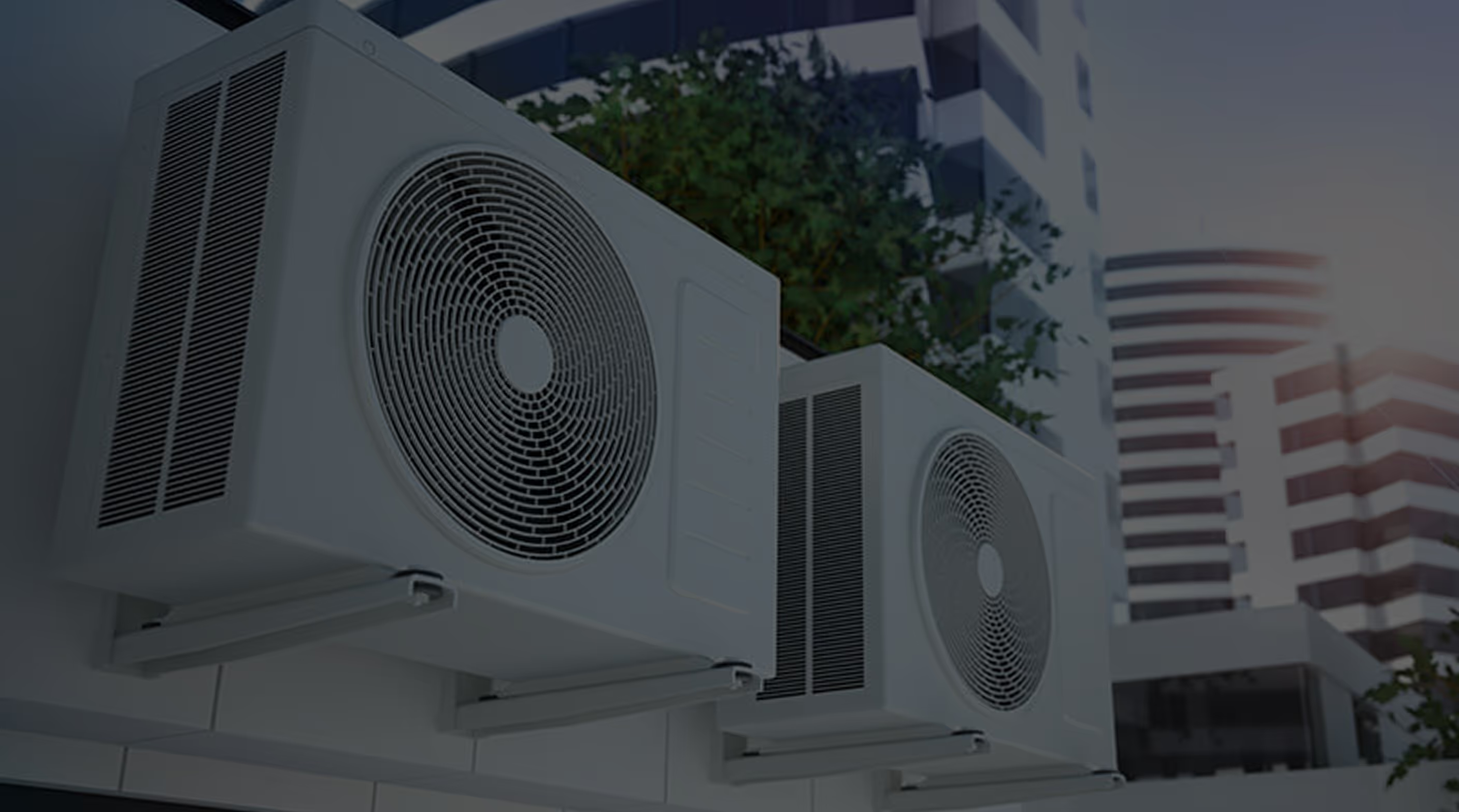
- Placement problems for outdoor units causing noise or airflow restrictions.
A careful site assessment, properly executed installation, and commissioning reduce these risks substantially.
Rebates and incentives guidance for Union City homeowners
Union City residents often qualify for federal, state, and utility incentives that lower net installation costs. Typical paths include:
- Federal tax credits for qualifying high-efficiency heat pumps when standards are met.
- State-level incentives tied to California energy efficiency programs.
- Local utility rebates or performance-based incentives managed through energy providers or regional programs.
Eligibility depends on equipment specifications and installation quality. Keep records of equipment model numbers, efficiency ratings, and permit/inspection documentation to support rebate applications.
Maintenance to preserve efficiency and longevity
Routine maintenance keeps a heat pump performing at peak levels:
- Replace or clean filters regularly (every 1 to 3 months depending on use).
- Keep outdoor units clear of debris, landscaping, and shade obstructions to maintain airflow.
- Schedule annual professional tune-ups to check refrigerant charge, electrical connections, and compressor health.
- For ducted systems, inspect and seal ducts and check insulation in attics or crawlspaces.
Regular maintenance prevents common failures and helps maintain warranty coverage.
Final notes on planning a successful installation in Union City
A successful heat pump installation in Union City is the product of thorough assessment, correct system selection, code-compliant installation, and careful commissioning. When tailored to local climate conditions and your home’s characteristics, heat pumps deliver enhanced comfort, predictable operating costs, and a meaningful reduction in environmental impact. Prioritize professional load calculations, proper duct or zone planning, and documented commissioning to ensure long-term satisfaction and eligibility for local incentives.
hear what our satisfied clients have to say

.svg)
Service areas
.avif)