
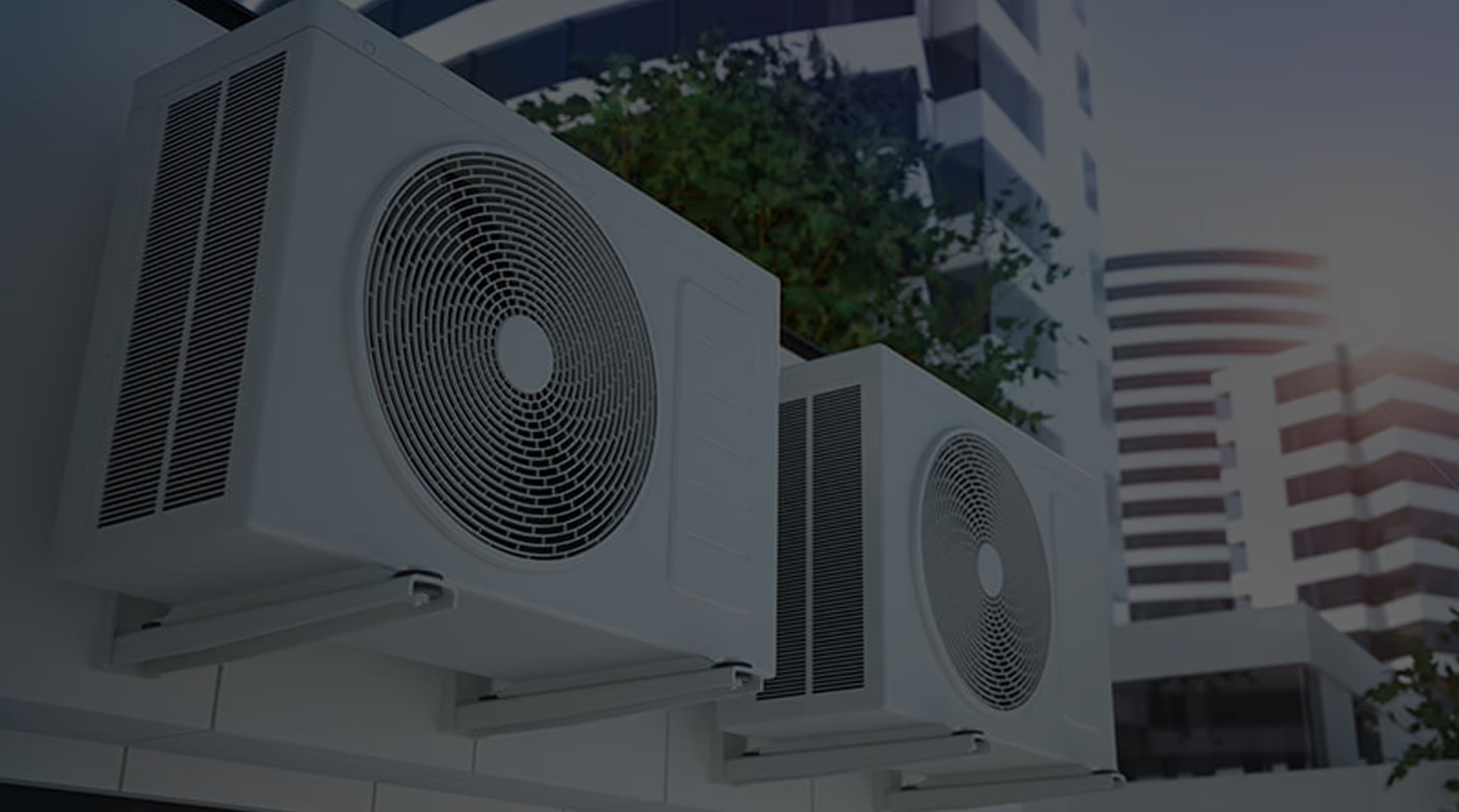
Mini Split Tune-Up in San Bruno, CA
Our professional mini-split tune-ups from Plum HVAC in San Bruno are specifically designed to tackle climate-related challenges like coastal humidity, salt exposure, and the complexities of multi-zone hillside systems. We follow a detailed checklist and comprehensive diagnostic procedures, covering common issues, expected service durations, and recommended maintenance frequency. After our inspection, homeowners receive clear, actionable recommendations and practical care tips to help maintain efficiency, extend equipment life, and ensure reliable, perfectly balanced comfort across all zones, year-round. We always emphasize safety and provide prioritized guidance to protect both your system and your home.
-min.jpeg)
Mini Split Tune-up in San Bruno, CA
Keeping your mini split running at peak performance is especially important in San Bruno, CA. Coastal marine layers, frequent morning fog, and salty air can accelerate corrosion and reduce efficiency, while the mix of hillside homes and multi-zone living makes reliable, balanced comfort essential. A professional mini split tune-up focuses on restoring performance, improving efficiency, and preventing mid-season breakdowns so your system runs quietly and reliably when you need it most.
Why a tune-up matters for San Bruno homes
San Bruno’s mild but humid coastal climate and occasional temperature swings mean mini splits work year-round to maintain comfort. Salt air and moisture can clog coils and corrode external components, reducing heat transfer and increasing energy use. Regular tune-ups:
- Restore cooling and heating capacity
- Reduce energy use by improving heat exchange and airflow
- Prevent costly failures during hot spells or cooler nights
- Improve indoor air quality by cleaning filters and drain lines
Standard tune-up checklist
A thorough mini split tune-up follows a consistent checklist to catch both common and hidden problems. Typical items included in a tune-up are:
- Cleaning or replacing indoor filters and inspecting washable filter condition
- Cleaning indoor evaporator coils and outdoor condenser coils to restore heat transfer
- Checking refrigerant levels and measuring system pressures for leaks or undercharge
- Inspecting electrical connections, terminal tightness, and control wiring
- Testing compressor and fan motors for proper operation and abnormal noise
- Verifying thermostat and remote control signals and recalibrating temperature settings if needed
- Measuring amperage draw and voltage to detect electrical strain
- Checking condensate drain lines and pan for blockages and proper slope
- Inspecting refrigerant line insulation and wall penetrations for weatherproofing
- Verifying airflow at each indoor head and balancing multi-zone systems
- Looking for signs of corrosion on outdoor components and mounting hardware
Diagnostic process — what the technician does
Technicians use a mix of visual inspection and tool-based checks to diagnose issues without confusing technical language:
- Visual inspection first to spot obvious wear, corrosion, or debris
- Filter and coil cleaning to immediately restore airflow and efficiency
- Refrigerant pressure checks with gauges to confirm correct charge; this helps identify leaks or undercharging that reduce performance
- Electrical testing to ensure safe, secure connections and correct voltages
- Motor and fan checks to detect worn bearings or imbalanced blades that cause noise and inefficiency
- Airflow measurement at indoor units to ensure each zone is getting the expected output
- Condensate flow test to prevent overflow and water damage
Technicians will explain findings plainly and prioritize safety. Any repair recommendations are accompanied by clear reasons and likely outcomes.
Estimated duration and recommended frequency
- Typical single-zone tune-up: 45 to 75 minutes
- Multi-zone systems or systems with heavy buildup: 90 to 120 minutes
- Newer or well-maintained systems may require less time; older or neglected systems will take longer
Recommended frequency:
- Minimum: once per year for typical San Bruno homes
- Recommended: twice per year for homes within a few miles of the coast, units exposed to salt air, or systems with heavy seasonal useRegular seasonal checks (spring before cooling season and fall before heating season) reduce the chance of mid-season failures and keep efficiency high.
Common mini split tune-up issues in San Bruno, CA
- Reduced airflow due to dirty filters and clogged indoor coils, often from coastal dust and indoor pollutants
- Corroded outdoor fins and fasteners from salt exposure
- Low refrigerant charge from undetected leaks or slow seepage
- Noisy operation from fan imbalance or worn bearings after years of use
- Blocked condensate drains leading to water leaks and microbial growth
- Loose electrical connections causing intermittent faults or tripped breakers
Benefits of regular mini split maintenance
- Improved energy efficiency, translating into lower utility bills
- More reliable operation and fewer emergency repairs during summer or cooler nights
- Extended equipment life by reducing stress on the compressor and motors
- Better indoor air quality through regular filter and coil cleaning
- Steadier comfort across zones by maintaining proper refrigerant charge and balanced airflow
Typical recommendations after inspection
After a tune-up, technicians will usually provide clear, prioritized recommendations. Common suggestions include:
- Immediate repairs for any safety issues or major leaks
- Refrigerant top-up or leak repair if pressures are outside manufacturer specifications
- Deep coil cleaning when moderate buildup reduces heat transfer
- Replacement of worn electrical components or capacitors to prevent sudden failure
- Improved insulation on refrigerant lines and resealing wall penetrations to prevent energy loss and moisture intrusion
- Upgrading to higher-efficiency or washable filters and establishing a replacement schedule
- Scheduling more frequent checks for units in salt-exposed locations
Maintenance tips for San Bruno homeowners
- Replace or clean filters every 1 to 3 months depending on use and indoor air quality
- Keep outdoor units free of vegetation and rinse coastal salt deposits periodically
- Maintain clearance around outdoor units for proper airflow, especially on hillside installations
- Program thermostats for steady setpoints rather than frequent changes to reduce system cycling
- Watch for early signs of trouble: reduced airflow, strange noises, unexpected humidity, or higher energy bills
ConclusionA targeted mini split tune-up in San Bruno, CA restores system performance, addresses climate-specific challenges like salt corrosion and coastal humidity, and reduces the likelihood of disruptive breakdowns. Regular, seasonally timed maintenance keeps multi-zone systems balanced and efficient, saving energy and extending equipment life while improving indoor comfort and air quality.
hear what our satisfied clients have to say

.svg)
Service areas
.avif)