
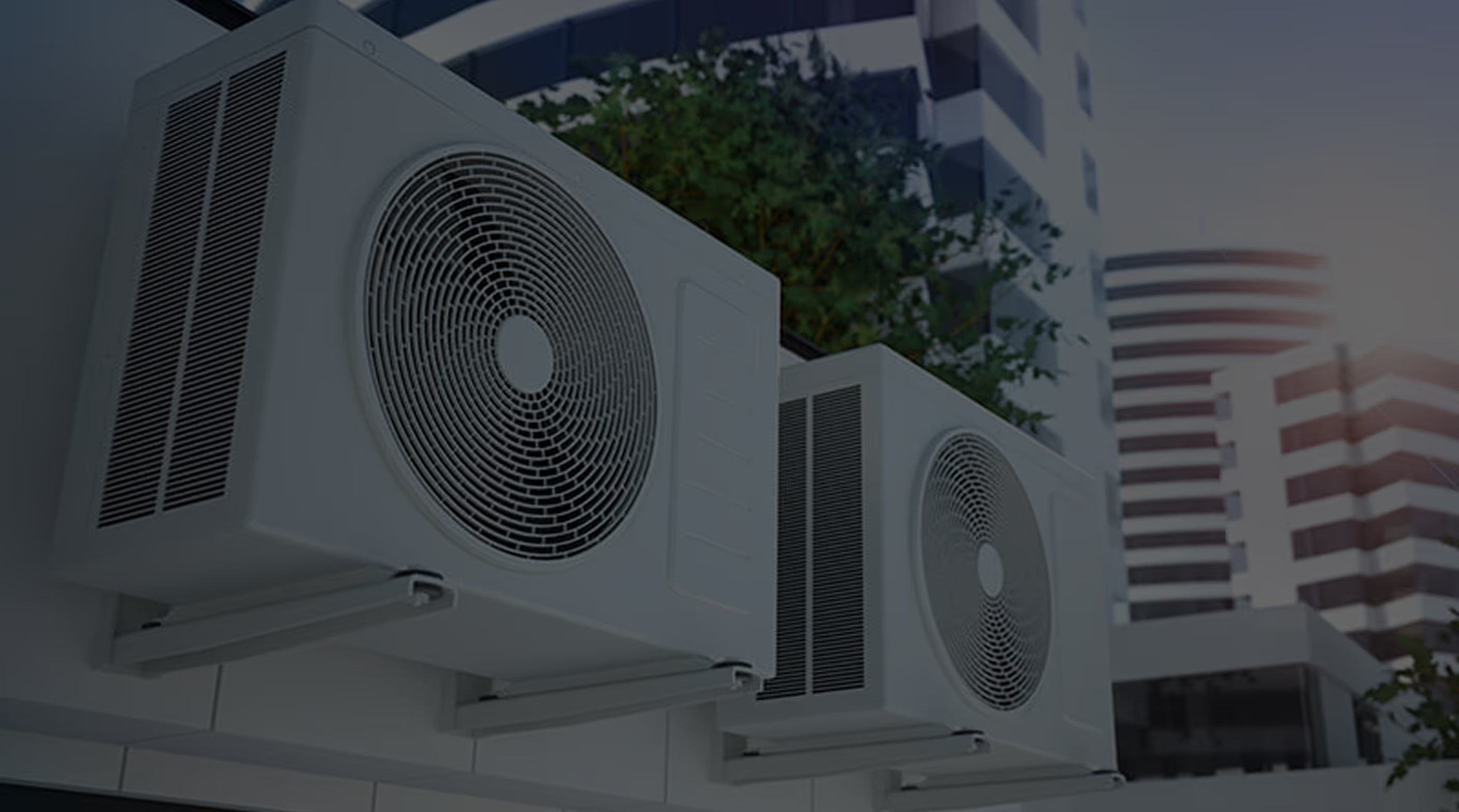
Mini Split Installation in San Bruno, CA
Professional mini split installation in San Bruno covers the full workflow, from site assessment to post-installation support. Key steps include on-site load calculations, indoor and outdoor unit placement, line-set routing, electrical connections, refrigerant charging, system commissioning, and permit coordination. Local coastal conditions and corrosion risks are carefully considered to ensure proper sizing, code compliance, and long-term system performance. Homeowners also receive guidance on maintenance practices and warranty considerations to protect comfort, efficiency, and equipment longevity in Bay Area homes.
.jpeg)
Mini Split Installation in San Bruno, CA
Installing a ductless mini split in San Bruno, CA delivers precise heating and cooling control while avoiding the disruption and energy losses of ductwork. For Bay Area homes that face coastal fog, mild summers, and cool, damp winters, a properly sized and installed mini split provides year round comfort, efficient heat pump operation, and reduced humidity in problem rooms. This page explains the full installation process, common local issues, timelines, and what to expect on install day for Mini Split Installation in San Bruno, CA.
Why a mini split is a good fit for San Bruno homes
- Coastal climate with seasonal humidity means many homeowners need both efficient cooling and reliable heating. Modern inverter-driven mini splits provide both.
- Older homes without ductwork can gain zoned comfort without major renovations.
- Salt air and fog close to the coast can accelerate corrosion, so choosing corrosion-resistant outdoor units and correct placement is important.
- Small lots and multi-level homes benefit from flexible indoor unit styles: wall-mounted, floor-mounted, or ceiling cassette.
Common mini split installation issues in San Bruno
- Improper sizing: Oversized units short cycle, undersized units struggle on cold nights. Local load calculations are essential.
- Poor outdoor unit placement: Placing the condenser where it faces salty air, heavy shade that traps moisture, or blocked airflow reduces lifespan and performance.
- Inadequate electrical provision: Older panels may lack dedicated breakers or proper disconnects for new heat pump systems.
- Long refrigerant line runs: Excessively long or poorly insulated line-sets can cause capacity loss and require special refrigerant charging techniques.
- Drainage and condensate problems: Incorrect drain pitch or improperly routed condensate lines can cause indoor leaks or mold risk in humid months.
- Permit and code noncompliance: Work done without the proper City of San Bruno or San Mateo County permits can lead to rework and fines.
Initial consultation and load calculations
A thorough installation begins with an on-site consultation and a professional load calculation. This typically includes:
- Measuring room dimensions, ceiling heights, insulation levels, window orientation, and occupancy patterns.
- Identifying heat gains and losses from sun exposure, drafts, and neighboring units.
- Performing a Manual J style load calculation in plain language to determine the right capacity and zoning strategy.The result is a recommendation for single-zone versus multi-zone systems and suggested indoor unit types and placement.
Indoor and outdoor unit placement considerations
Correct placement maximizes comfort and longevity.
- Indoor units: Choose wall, floor, or ceiling cassette styles based on airflow needs and room aesthetics. Place units to promote even air distribution and avoid directing flow across sleeping areas.
- Outdoor unit: Locate on a level pad or wall bracket with good clearance for airflow, away from salt spray and heavy fog pooling. Ensure easy service access and consider anti-corrosion models or coatings for coastal exposure.
- Seismic and secure mounting: In earthquake-prone San Bruno, installers should secure outdoor units and line connections to local code and best practices.
Line-set and electrical work
A professional installation includes:
- Running refrigerant line-sets with proper pitch and insulation, protecting them through wall sleeves or conduit.
- Installing condensate drain lines with correct slope and trap arrangements to prevent backflow and odors.
- Upgrading or installing electrical circuits, breakers, and service disconnects sized to manufacturer specs. Verifying grounding and ensuring wiring complies with local electrical code.
Refrigerant charging and commissioning
Accurate refrigerant charging and system commissioning are critical to performance.
- Evacuate the system to remove moisture, perform leak checks, and charge refrigerant per manufacturer guidance.
- Measure superheat and subcooling or use weight-charge methods as required for long line sets.
- Perform airflow and temperature tests, verify compressor and fan current draw, and confirm thermostat or remote control operation.
- Complete a final operational test under typical conditions and document performance data.
Permits, code compliance, and inspections
Permits are commonly required for HVAC modifications in San Bruno. Proper permitting ensures:
- Work meets local building and electrical codes.
- Installations pass required inspections for safety and energy code compliance.
- Warranty and insurance requirements are preserved by following code and permitting procedures.
Typical timelines and what to expect on install day
- From consultation to install: Small single-zone installs can be scheduled within days to a few weeks depending on permit processing and equipment availability. Multi-zone or custom installations may take longer for design and permit approvals.
- Install day: Expect technicians to arrive within a scheduled window, review the plan, protect floors and furnishings, then proceed through mounting indoor units, installing the outdoor condenser pad or bracket, running line-sets and electrical connections, and completing commissioning.
- Duration: A single-zone wall-mounted system is commonly completed in 4 to 8 hours. Multi-zone systems or retrofits with panel upgrades or structural work may require one to two days.
- Post-install: Technicians will clean the work area, demonstrate system operation, and provide information on basic maintenance and warranty registration.
System models and features commonly recommended in San Bruno
- Inverter-driven heat pump mini splits with high SEER and HSPF ratings for efficient year round performance.
- Single-zone systems for individual rooms and multi-zone systems for whole-house zoning without ducts.
- Indoor styles: low-profile wall mounts, recessed or flush cassette for ceilings, and compact floor-mounted units for retrofit situations.
- Features to consider: variable-speed compressors, advanced filtration for indoor air quality, quiet operation modes, and Wi-Fi enabled controls.
- Coastal-grade options: models or coatings that resist salt corrosion, extended condensate protection, and durable fan coatings.
Warranties and long term protection
- Manufacturer warranties typically cover compressors for 5 to 10 years and parts for 1 to 5 years. Specific terms vary by brand and model.
- Labor warranties are often provided for the installation work for a defined period; verify the duration and scope before purchase.
- For coastal installations, choosing units with corrosion-resistant components and registering warranties promptly helps protect long-term performance.
Final notes on maintaining performance
- Seasonal checks: clean filters, inspect outdoor coil and clearance, and verify condensate drainage.
- Address performance changes promptly: reduced airflow, strange noises, or increased energy use are signs to have the system inspected.
- Proper sizing, professional line-set installation, accurate refrigerant charging, and code-compliant electrical work are the keys to reliable, efficient operation in San Bruno homes.
This overview outlines what to expect and why professional, code-compliant Mini Split Installation in San Bruno, CA matters for system longevity and comfort in local conditions.
hear what our satisfied clients have to say

.svg)
Service areas
.avif)