
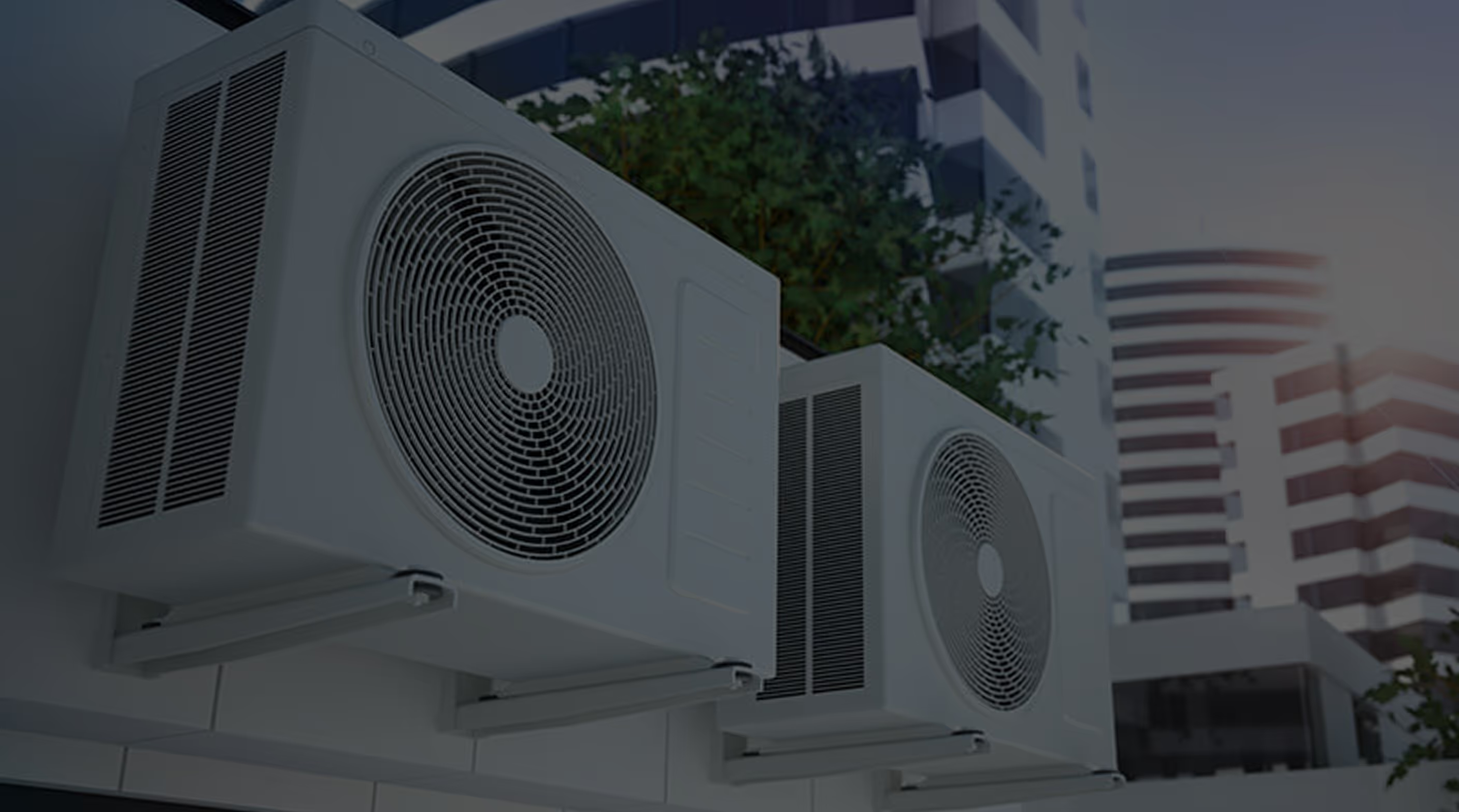
Mini Split Maintenance in San Bruno, CA
Plum HVAC provides mini split maintenance for San Bruno, CA homes, delivering proactive, professional care to keep ductless systems reliable in a coastal climate. A seasonal tune-up tackles filters, coils, outdoor unit cleaning, refrigerant levels, electrical controls, and performance testing, while reinforcing corrosion prevention and condensate management. We recommend regular intervals, twice yearly, with quarterly checks near the coast, to help prevent breakdowns and extend equipment life. Our program includes service agreements, documented findings, and actionable recommendations to maintain comfort and energy efficiency year round.
.jpeg)
Mini Split Maintenance in San Bruno, CA
Keeping ductless mini-split systems running reliably is especially important for San Bruno homes. The coastal marine climate, morning fog, and higher humidity can accelerate coil fouling, promote corrosion on outdoor components, and increase the load on indoor units. Regular, professional mini split maintenance in San Bruno, CA helps preserve system efficiency, reduces breakdowns, and maintains indoor comfort year-round.
Common mini split issues in San Bruno
- Clogged or dirty filters and evaporator coils from coastal dust, pollen, and airborne salt
- Corrosion of outdoor unit fins and fasteners due to salt air exposure
- Slow or blocked condensate drains causing overflow or water stains
- Reduced cooling or heating capacity from incorrect refrigerant charge
- Intermittent operation caused by loose electrical connections or failing controls
- Poor airflow from blocked indoor blower assemblies or misaligned indoor units
- Odors and mold growth in high-humidity months when coils and drip pans are neglected
Understanding these local tendencies helps prioritize the maintenance tasks that most directly affect reliability and performance in San Bruno homes.
What a seasonal tune-up includes
A full seasonal tune-up for ductless mini-splits typically covers the items most likely to cause reduced performance or early failure:
- Filter cleaning or replacement: Remove, clean, and inspect filters. Replace if damaged or beyond cleaning.
- Indoor coil and blower cleaning: Clean evaporator coils and blower wheel to restore airflow and heat transfer.
- Outdoor unit inspection and cleaning: Remove debris, rinse coils, and check for corrosion or physical damage; clear obstructions from around the unit.
- Condenser drain and drip pan check: Inspect and clear condensate drains; verify proper sloping and flow to prevent backups.
- Refrigerant level check: Confirm proper refrigerant charge and look for signs of leaks; document pressures and temperatures.
- Electrical and control inspection: Tighten electrical connections, test contactors and capacitors, verify thermostat and remote control operation.
- Performance test and airflow verification: Measure supply and return temperatures, static pressure, and airflow to ensure system is operating within specifications.
- System documentation: Provide a checklist of findings, recommended repairs, and baseline performance numbers for future comparison.
Each step is performed with attention to how marine-influenced weather in San Bruno can accelerate wear and reduce performance.
Why refrigerant and electrical inspections matter
Refrigerant levels and electrical components are common failure points that directly impact comfort and efficiency. Low refrigerant reduces cooling capacity and forces compressors to run longer, increasing wear. Electrical issues such as loose connections or failing capacitors can cause intermittent operation or complete system failure. In San Bruno, where systems may run frequently during warmer, humid periods, catching these problems early prevents emergency repairs and preserves efficiency.
Recommended maintenance intervals for San Bruno homes
- Twice a year: For most San Bruno residences, schedule tune-ups in spring and fall. Spring prep readies the system for the cooling season; fall work prepares it for heating and the wetter months.
- Quarterly inspections: If your home is very close to the coast, has heavy pollen exposure, or the unit serves a high-use space, quarterly checks help control corrosion and buildup.
- Immediate inspection: After any noticeable drop in performance, water leaks, unusual noises, or error codes.
Following these intervals keeps mini-splits operating efficiently and reduces the chance of unplanned outages.
Benefits of preventive mini split maintenance
- Improved energy efficiency: Clean coils, correct refrigerant charge, and proper airflow lower energy consumption and monthly utility costs.
- Longer system life: Proactive care reduces stress on components and extends the lifespan of compressors, fans, and controls.
- Fewer breakdowns: Identifying worn parts and sealing refrigerant leaks prevents many emergency repairs.
- Stable comfort: Regular balancing and calibration maintain steady temperatures and quicker recovery after load changes.
- Better indoor air quality: Clean filters and coils reduce dust, allergens, and mold spores circulating through living spaces.
- Warranty protection: Many manufacturers require routine maintenance for warranty compliance; documented service helps preserve coverage.
Service agreements and what they typically include
Service agreements for ductless mini-splits bundle preventive care into a predictable program. Typical elements include:
- Scheduled seasonal tune-ups with documented checklists
- Priority scheduling windows for agreement holders
- Discounted labor or parts pricing for repairs identified during inspections
- Refrigerant leak detection and diagnostic testing included during visits
- Corrosion-prone component inspections and recommendations for coastal protection
- Record-keeping of performance data to track system trends over time
- Reminders for upcoming maintenance visits
Agreements tailored for San Bruno conditions often include extra attention to outdoor unit corrosion control, condensate management, and more frequent filter servicing.
Tips to keep your mini split performing between professional visits
- Clean filters every 1 to 3 months depending on use and indoor air quality.
- Keep foliage and debris at least two feet away from outdoor units to maintain airflow.
- Wipe visible dust from indoor units and check for unusual sounds or odors.
- Ensure condensate lines remain unobstructed and check for water stains near indoor units after humid weather.
- Use included remote or controls correctly; avoid frequent on/off cycling which increases wear.
- Consider a light, non-corrosive protective cover for outdoor units during heavy storm periods, ensuring adequate airflow is maintained.
Final thoughts
Routine mini split maintenance in San Bruno, CA is not optional for homeowners who value comfort, efficiency, and reliability. Given the local marine climate and seasonal humidity, a focused preventive maintenance program that includes seasonal tune-ups, refrigerant and electrical checks, condensate management, and corrosion awareness will keep ductless mini-split systems performing well longer. Regular documentation and a tailored service agreement provide the structure homeowners need to avoid expensive repairs and preserve comfort in San Bruno homes.
hear what our satisfied clients have to say

.svg)
Service areas
.avif)