
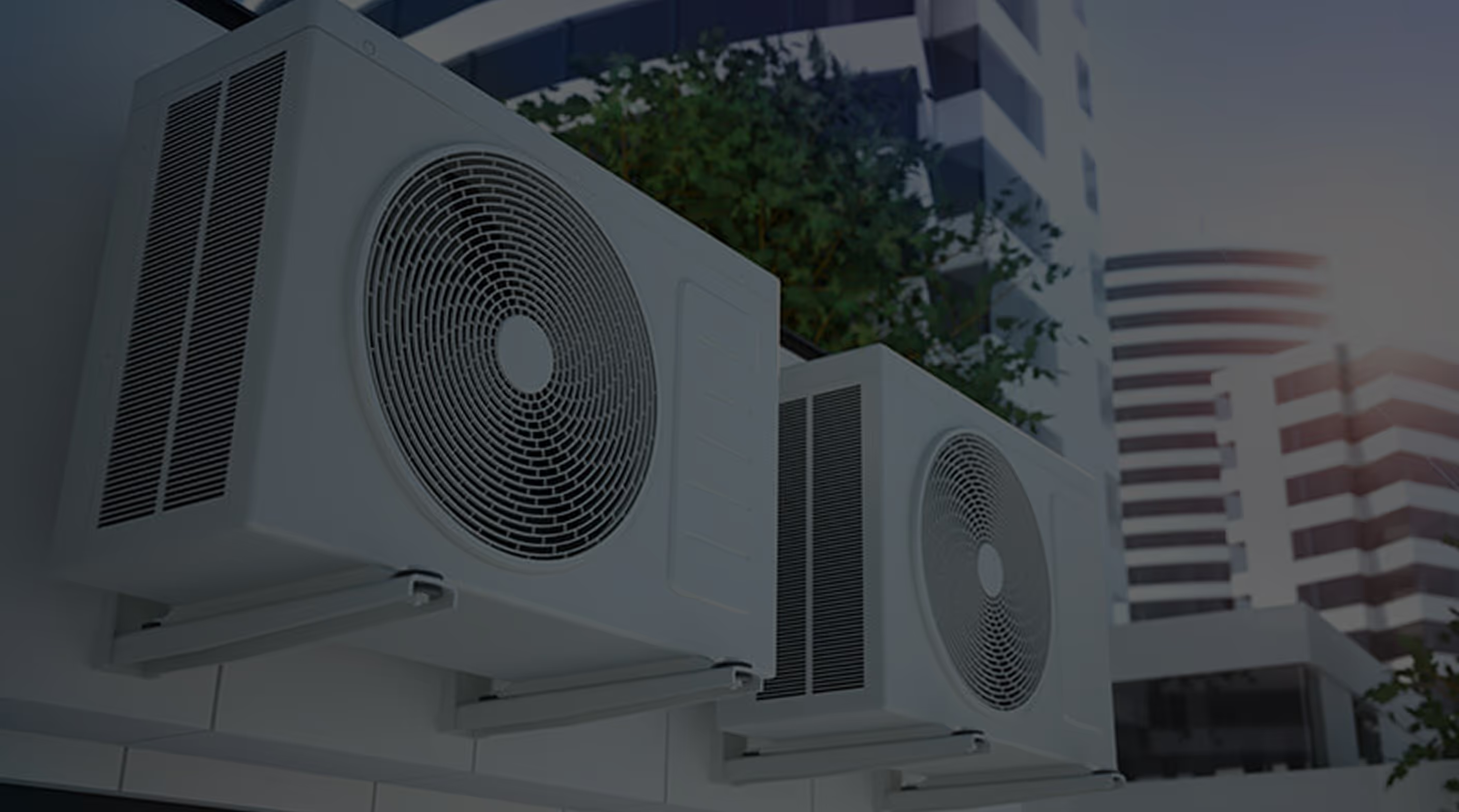
Mini Split Tune-Up in Los Gatos, CA
A mini split tune-up for Los Gatos, CA homes from Plum HVAC outlines exactly what’s inspected, how it significantly improves efficiency, and why seasonal maintenance truly matters. Our service covers filter cleaning, coil and blower cleaning, outdoor coil care, precise refrigerant checks, accurate thermostat calibration, airflow inspection, condensate drainage, noise and safety checks, and a full system performance test, plus factors affecting duration and cost. Benefits include improved energy efficiency, reliability, comfort, longer equipment life, and practical maintenance tips for between visits with Plum HVAC.
-min.jpeg)
Mini Split Tune-up in Los Gatos, CA
A focused mini split tune-up keeps your ductless system running efficiently, quietly, and reliably through Los Gatos’ warm, dry summers and cool, wetter winters. Whether your home uses mini splits as the primary HVAC solution or as supplemental zones, a professional tune-up addresses the small problems that become costly failures. This page explains exactly what a mini split tune-up includes, common issues seen in Los Gatos homes, the diagnostic process, expected duration, factors that influence cost, seasonal recommendations, and practical maintenance tips to preserve comfort and efficiency.
What a Mini Split Tune-up Covers
A standard mini split tune-up is a checklist-driven inspection and cleaning designed to restore performance and prevent breakdowns. Typical checklist items include:
- Filter cleaning or replacement — remove, inspect, and either clean washable filters or replace disposable ones to restore airflow and indoor air quality.
- Indoor coil and blower cleaning — clear dust and debris from the evaporator coils and blower wheel to improve heat transfer and airflow.
- Outdoor condenser coil cleaning — remove leaves, pollen, and road dust from the outdoor unit so it can reject heat efficiently.
- Refrigerant checks — measure pressures and temperatures to verify proper refrigerant charge and identify possible leaks.
- Thermostat and controller calibration — confirm sensors and remotes report accurately and that setpoints match actual room temperatures.
- Airflow and ductless line inspection — check airflow at each indoor head, inspect refrigerant lines for damage, and verify proper line insulation.
- Drainage and condensate inspection — clear condensate lines and pans to prevent overflow and microbial growth.
- Noise and vibration assessment — listen for abnormal compressor or fan sounds, check mounting hardware and vibration isolators.
- Electrical and safety checks — inspect wiring, contactors, capacitors, and safety controls for wear or loose connections.
- System performance test — run the system through cooling/heating cycles to verify capacity, stability, and sensor operation.
Why Seasonal Tune-ups Matter in Los Gatos, CA
Los Gatos sits in a moderate Mediterranean climate with hot, dry summers and cool, damp winters. Mini split systems here often operate year-round for both cooling and supplemental heating. Seasonal tune-ups reduce the two major local stresses:
- Summer: High cooling demand exposes restricted airflow, dirty coils, and low refrigerant—reducing comfort and spiking energy use.
- Winter and shoulder seasons: Cooler, damper conditions make condensate drains and coil cleanliness more important; fallen leaves and debris from neighborhood trees can clog outdoor units in autumn.
Scheduling a tune-up before the heavy-use season (spring for cooling, fall for heating) helps prevent mid-season failures when service demand is highest.
Diagnostic Process: What Technicians Do
A professional technician follows a methodical diagnostic workflow to find underlying issues without guesswork:
- Initial visual inspection of indoor heads and outdoor condensing unit for physical damage or debris.
- Filter and coil evaluation, cleaning what’s washable and noting parts that need replacement.
- Electrical safety check to identify loose terminals, overloaded circuits, or failing capacitors.
- Refrigerant and pressure testing using gauges and temperature readings to confirm correct charge and detect leaks.
- Airflow measurements at each indoor unit to ensure balanced distribution and detect blocked or failing blowers.
- Condensate path inspection with a manual test to verify drains flow freely and pans are dry.
- Operational test running the system across modes while monitoring temperatures, pressures, noise, and vibration.
- Report and recommendations that explain immediate repairs, parts likely to fail soon, and suggested follow-up service.
All findings are explained in plain language so you understand the health of your mini split system and the urgency of any repairs.
Common Problems Found During Tune-ups in Los Gatos
Technicians servicing mini splits in Los Gatos frequently encounter these issues:
- Clogged or dirty filters causing reduced airflow and uneven cooling.
- Outdoor units obstructed by leaves, pine needles, or landscaping growth.
- Low refrigerant or slow leaks that lower capacity and increase runtime.
- Clogged condensate lines that cause water to back up at indoor units.
- Uncalibrated thermostats or misplaced sensors producing temperature swings.
- Worn blower motors or fan bearings leading to reduced airflow and noise.
- Loose electrical connections and failing capacitors that risk sudden failure.
Addressing these during a tune-up avoids emergency calls during a heat wave or cold snap.
Expected Duration and Cost Factors
Typical tune-up duration for a single-zone mini split is around 30 to 60 minutes. Multi-zone systems or units with difficult access commonly require 60 to 90 minutes or more because each indoor head must be inspected and tested individually.
While specific pricing varies, the main factors that influence cost include:
- Number of indoor units/zones to service.
- System accessibility (attic, tight walls, or high-mounted heads increase time).
- Whether refrigerant recharge or leak repair is required.
- Need for parts replacement (filters, capacitors, fan motors, control boards).
- Extent of coil cleaning (light dusting versus deep chemical cleaning).
Framing the tune-up as preventive maintenance often reduces total lifecycle expense by avoiding major repairs.
Benefits: Efficiency, Reliability, and Indoor Comfort
A timely mini split tune-up delivers clear advantages for Los Gatos homeowners:
- Improved energy efficiency and lower utility use by restoring proper airflow and heat transfer.
- Greater reliability and fewer unexpected breakdowns during peak seasons.
- Better indoor comfort with more consistent temperatures across rooms.
- Enhanced indoor air quality by keeping filters and coils clean.
- Extended equipment life through early detection of failing components.
Small investments in tune-ups often pay back through reduced repair frequency and steadier performance.
Maintenance Tips Between Tune-ups
Keep your mini split in good shape with these simple homeowner practices:
- Clean or replace filters every 1 to 3 months depending on use and indoor air quality.
- Keep the outdoor unit clear of leaves, lawn clippings, and debris; trim plants to maintain airflow.
- Check indoor units for unusual noises, drips, or reduced airflow and note when they begin.
- Ensure line-set insulation remains intact; deteriorated insulation increases energy loss.
- Run each indoor head periodically in both heating and cooling seasons to exercise components.
Annual or biannual professional tune-ups combined with these basic steps protect comfort and system value.
A properly executed mini split tune-up in Los Gatos, CA targets the exact wear points caused by local climate and household patterns, restoring efficiency and preventing costly mid-season failures without unnecessary work. Regular tune-ups keep your system running as intended and preserve indoor comfort year-round.
hear what our satisfied clients have to say

.svg)
Service areas
.avif)