Mini Split Repair in Los Gatos, CA
At Plum HVAC, our Los Gatos mini-split repair services cover the diagnosis and repair of ductless systems, addressing common issues such as compressor and refrigerant problems, electrical faults, airflow issues, and challenges with outdoor units. We follow a structured workflow that guides homeowners from initial assessment to post-repair testing.
Our service emphasizes OEM-compatible parts, accurate testing, and cost-conscious timelines, along with warranty considerations and preventive tips tailored to local conditions. You'll also benefit from clear guidance on timelines, cost factors, and practical steps to minimize future breakdowns, helping maintain comfort, indoor air quality, and system longevity.
Mini Split Repair in Los Gatos, CA
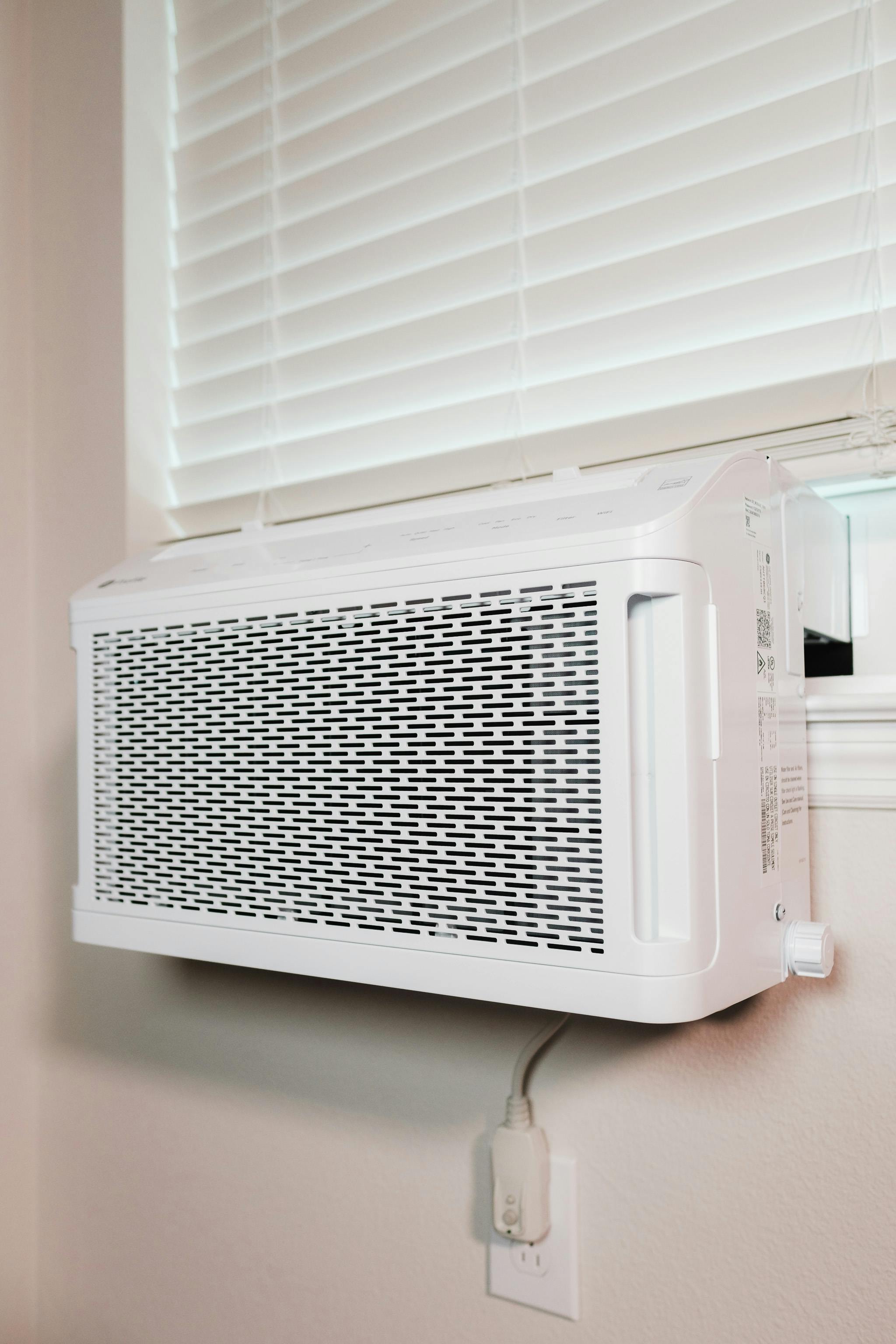
When a ductless mini-split system underperforms or fails in your Los Gatos home, you need fast, accurate diagnostics and repairs that protect comfort, indoor air quality, and system longevity. Mini split repair in Los Gatos, CA focuses on identifying the root cause quickly—whether compressor failure, refrigerant leak, electrical fault, or airflow restriction—and restoring reliable operation using OEM-compatible parts and proven techniques. This page outlines common faults, a clear troubleshooting and repair workflow, parts replacement considerations, realistic timelines and cost factors, warranty and testing practices, and preventive tips tailored to Los Gatos conditions.
Common mini split issues in Los Gatos homes
Los Gatos sees warm, dry summers and cool winters with occasional wildland smoke and dust events. Those local conditions influence the types of mini split problems homeowners experience.
- Compressor problems
- Symptoms: unit runs but produces little or no cooling, loud or unusual noises, frequent short cycling.
- Common causes: motor or internal component wear, electrical stress from voltage fluctuations, or blocked airflow increasing compressor load.
- Refrigerant leaks
- Symptoms: reduced cooling capacity, frosting on evaporator coils, hissing noises, or a steady drop in pressure readings.
- Common causes: line corrosion, loose fittings, or damage during installation or landscaping work.
- Electrical faults
- Symptoms: unit won’t start, intermittent operation, tripped breakers, or control board errors.
- Common causes: failed capacitors, relays, fan motors, loose connections, or control board failures often triggered by age, moisture ingress, or voltage spikes.
- Airflow and indoor unit problems
- Symptoms: uneven room temperatures, weak airflow, strange odors, or ice on coils.
- Common causes: clogged filters, dirty coils, blocked condensate drains, or malfunctioning indoor fans.
- Outdoor unit access and environmental issues
- Symptoms: reduced efficiency or frequent faults after storms, dust events, or vegetation growth.
- Common causes: debris around the outdoor condenser, insect nests, and exposure to wildfire smoke that loads filters rapidly.
Step-by-step diagnostic and repair process
A consistent, documented process ensures accurate repairs and reduces repeat visits.
- Initial assessment and history
- Confirm system model, age, symptoms, and any recent work or weather events that could be relevant.
- Record error codes shown on indoor units or the system controller.
- Visual inspection
- Check indoor and outdoor units for physical damage, debris, blocked drains, and obvious electrical issues.
- Inspect refrigerant lines, insulation, and connections.
- Electrical and control testing
- Verify voltage supply, breaker condition, and control board functionality.
- Test capacitors, relays, and fan motors for proper operation.
- Refrigerant system evaluation
- Measure system pressures and superheat/subcooling to identify leaks or incorrect charge.
- Use trace dye or electronic leak detectors when pressure readings suggest a leak.
- Airflow and component tests
- Clean or inspect air filters, blower wheel, and evaporator coil for restrictions.
- Test indoor fan speeds and damper operations.
- Diagnosis and repair plan
- Provide a clear list of recommended repairs and parts needed, prioritizing safety and system protection.
- For refrigerant work, follow EPA and California regulations regarding handling and reclaiming refrigerant.
- Repair execution
- Replace failed components with OEM-compatible parts or factory-approved equivalents.
- Repair refrigerant leaks, evacuate and recharge to proper specification, and replace electrical components as needed.
- Post-repair testing
- Run the system through full cycles to verify pressures, temperatures, airflow, and control responses.
- Monitor for noise, vibration, and proper defrost operation (if heat pump).
Parts replacement and OEM-compatible components
Using the right parts matters for performance and long-term reliability.
- Common replacement parts: compressors, reversing valves, fan motors, capacitors, control boards, thermostats/remote receivers, expansion valves, and line set components.
- OEM-compatible guidance: prioritize manufacturer parts when available for critical components like compressors and control boards to ensure system communication and warranty compliance. For non-proprietary items like capacitors, fan motors, and filters, high-quality aftermarket parts that meet manufacturer specifications are acceptable.
- Documentation: record any replaced parts, serial numbers, and recalibration settings for future service and warranty claims.
Expected repair timelines and cost factors
Repair timelines and costs vary based on the diagnosis. Typical scenarios:
- Quick fixes (hours): filter replacements, condensate clearings, fan motor swaps, or minor electrical repairs are often completed in a single visit.
- Moderate repairs (same day to next day): replacing capacitors, control boards, or correcting refrigerant small leaks may require additional time for parts and leak testing.
- Major repairs (multiple days): compressor replacement, significant refrigerant recovery and line replacement, or extensive control system work can require more time for part sourcing, system evacuation, recovery, and post-repair verification.
Cost factors include system age and model, part availability, extent of refrigerant recovery needed, and whether OEM parts are required. In Los Gatos, additional considerations like difficult outdoor unit access in hillside properties or rework after wildland debris can affect timelines.
Warranty, compliance, and post-repair testing
Reliable repair work should include documented testing and clear warranty coverage.
- Post-repair testing: after repairs, technicians should verify operating pressures, airflow, electrical draw, temperature split, refrigerant charge, and fault-free operation through several cycles.
- Warranty considerations: repairs using OEM parts may retain or extend manufacturer warranties on those parts. For refrigerant work in California, compliance with state and federal handling and documentation rules is required.
- Service records: keep a detailed service log with replaced parts, test readings, and recommended follow-up to preserve warranty eligibility and aid future diagnostics.
Preventive tips to reduce future breakdowns in Los Gatos
Regular maintenance reduces emergency repairs and improves efficiency in our local climate.
- Change or clean filters regularly, more often during wildfire smoke seasons or dusty summers.
- Schedule annual or biannual maintenance visits that include coil cleaning, condensate drain clearing, electrical checks, and refrigerant pressure verification.
- Keep around 24 to 36 inches of clearance around the outdoor condenser and trim vegetation to prevent airflow restriction.
- Install a whole-home surge protector or dedicated circuit protection if your area experiences occasional voltage swings.
- Use high-efficiency pre-filters during smoky periods and consider portable air cleaners indoors to lower particulate load on the indoor unit.
- Monitor for early signs such as unusual noises, longer run times, or uneven cooling and address them before they escalate.
Mini split repair in Los Gatos, CA requires attention to local environmental factors, correct diagnostics, and quality parts to restore comfort and system life. Proper troubleshooting, OEM-compatible replacements, and documented post-repair testing ensure reliable performance through our warm summers and variable air quality events. Regular preventive care tailored to Los Gatos conditions will minimize future breakdowns and keep your ductless system running efficiently.
hear what our satisfied clients have to say

.svg)
Service areas
.avif)