
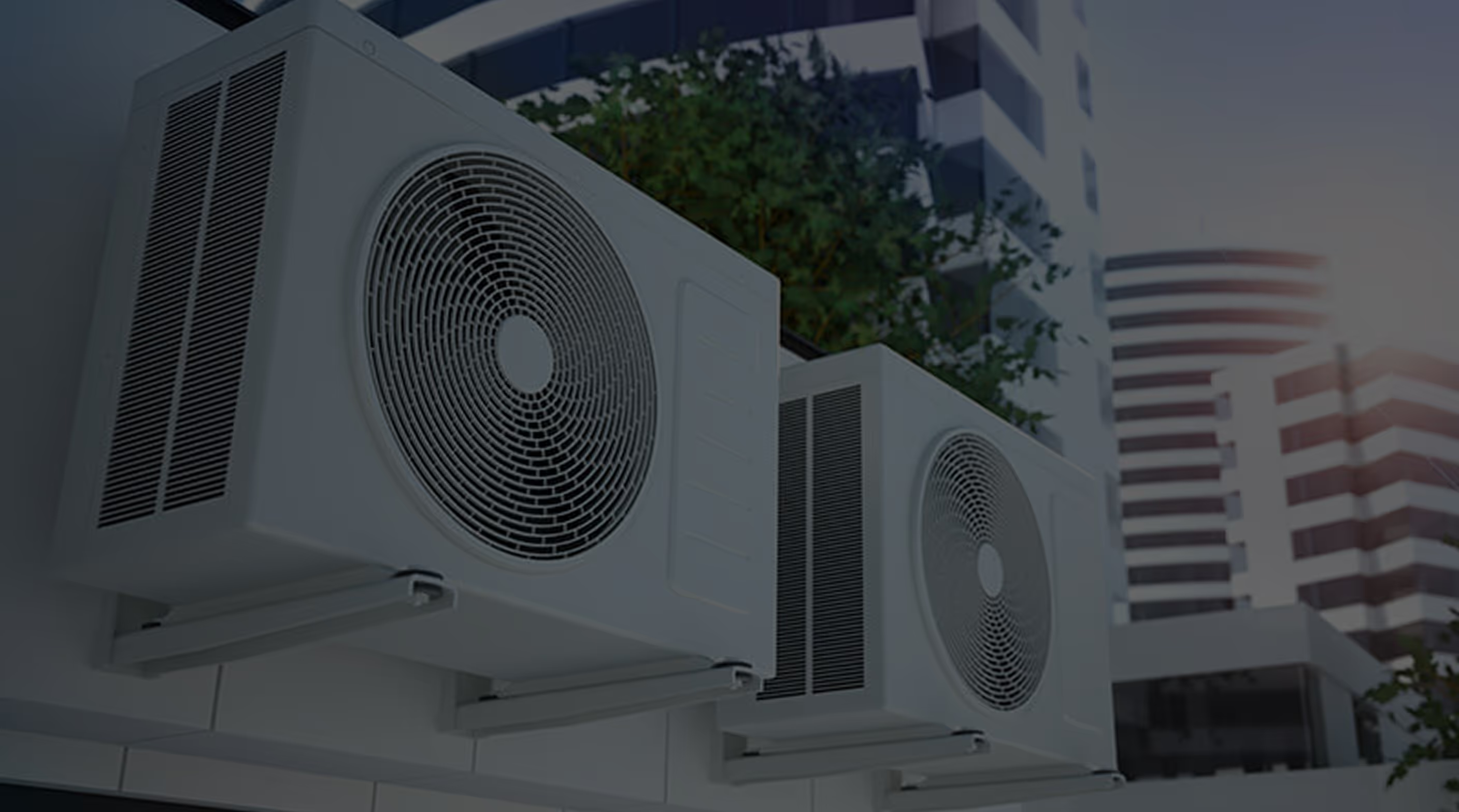
Mini Split Tune-Up in Fremont, CA
At Plum HVAC, our comprehensive mini split tune-up services in Fremont, CA, are designed to optimize efficiency, improve indoor air quality, and extend equipment lifespan. Our service addresses common Fremont-specific challenges and follows a detailed 11-step checklist that includes filter cleaning, coil care, refrigerant checks, electrical inspection, drainage, and performance testing. We also outline the expected service duration—typically 60 to 90 minutes for single-zone systems, with longer times for multi-zone setups—along with cost considerations, seasonal maintenance recommendations, and membership plans. Practical homeowner tips are included to help maintain system reliability between professional visits, ensuring Fremont residents can plan, budget, and prevent unexpected breakdowns with Plum HVAC.

Mini Split Tune-up in Fremont, CA
Keeping your mini split tuned and running at peak performance matters in Fremont, CA where summers can be warm and wildfire smoke or pollen can affect indoor air quality. A proper mini split tune-up prevents unexpected breakdowns, restores efficiency, and helps extend the life of your heat pump system. Below is a practical, decision-stage guide that explains what a thorough tune-up includes, common issues seen in Fremont homes, the typical time a service takes, cost factors to expect, and how recurring tune-ups are usually arranged.
Why a mini split tune-up matters in Fremont, CA
- Fremont experiences seasonal hot spells and elevated cooling demand, so ensuring your mini split cools efficiently before peak season reduces energy use and discomfort.
- Wildfire smoke and regional pollen loads can clog filters and coils faster than in other areas. Tune-ups help maintain indoor air quality.
- Regular servicing catches refrigerant leaks and electrical issues early, avoiding costly failures during extreme weather.
Common mini split problems in Fremont homes
- Reduced cooling or heating capacity after heavy summer or winter use
- Poor airflow or uneven room temperatures due to dirty filters or indoor unit obstructions
- Noisy operation or vibration from outdoor units with debris buildup
- Short cycling or frequent on/off cycles caused by thermostat calibration or refrigerant issues
- Condensate drain clogs from dust and biological growth during humid periods
- Control or sensor malfunctions after power events or firmware issues
Typical mini split tune-up checklist
A comprehensive tune-up follows a consistent checklist to ensure safety, performance, and efficiency. Core items typically include:
- Filter cleaning or replacement - Inspect and clean washable filters or replace disposable filters to restore airflow and indoor air quality.
- Indoor coil cleaning - Remove dust and buildup from the evaporator coil for better heat transfer and reduced icing risk.
- Outdoor coil and cabinet cleaning - Clear leaves, dust, and debris from the condenser coil and ensure proper airflow around the unit.
- Refrigerant verification and leak check - Measure pressures and superheat/subcooling to confirm proper refrigerant charge and inspect for leaks.
- Thermostat and sensor calibration - Verify temperature sensors and controls report accurately and that setpoints respond correctly.
- Airflow optimization - Inspect and adjust blower settings, check vane orientation, and confirm unobstructed airflow at all indoor heads.
- Electrical connection and component inspection - Tighten terminal connections, inspect capacitors and contactors, and check compressor start components.
- Condensate drain cleaning - Clear drain lines and pans to prevent overflow and microbial growth.
- Operational performance test - Run the system through cooling and heating cycles, measure supply/return delta T, and record amp draws.
- Visual inspection and documentation - Check line set insulation, unit mounting, refrigerant line integrity, and record service findings and recommendations.
What the tune-up process looks like
- Technician arrival and system history review
- Safety shutdown and visual inspection of indoor/outdoor units
- Filter/coil cleaning and condensate drain service
- Electrical checks and refrigerant pressure test
- Performance verification under normal operating conditions
- Final recommendations and a simple service report explaining findings and any necessary repairs
Expected duration and cost considerations
- Typical duration: Single-zone mini split tune-ups commonly take about 60 to 90 minutes. For multi-zone systems or units with hard-to-access components, plan on 90 to 180 minutes.
- Cost influencers (no pricing shown): The total cost is affected by system age, number of indoor units, accessibility of equipment, whether refrigerant top-off or leak repair is required, and any parts that need replacement. Expect the complexity of the job to drive the final price rather than a fixed time alone.
Seasonal recommendations for Fremont
- Schedule a tune-up in spring before the cooling season to ensure efficient operation during the hottest months.
- Consider a fall tune-up if you use heating frequently or to catch issues after summer stress and before cooler, wetter weather.
- If your area experiences frequent wildfire smoke or heavy pollen, increase service frequency or request filter checks after smoke events to maintain indoor air quality.
Performance and efficiency benefits
- Restores original cooling and heating capacity so rooms reach set temperatures consistently
- Improves energy efficiency and helps reduce utility usage by ensuring coils and filters are clean and refrigerant charge is correct
- Extends equipment life by reducing wear from poor airflow, electrical issues, and refrigerant problems
- Enhances indoor air quality by removing particulates and ensuring condensate drains are clear
- Identifies emerging problems early, reducing the likelihood of emergency repairs during peak demand
Recurring tune-ups and maintenance plans
- Recurring maintenance is typically offered as annual or biannual service agreements. These plans schedule routine visits, prioritize seasonal checkups, and include reminders for filter changes and inspections.
- A typical recurring schedule: annual for moderate-use households, twice yearly for heavy-use systems or homes affected by smoke/pollen.
- Recurring plans often document each visit with a service summary and recommended next steps so homeowners can track equipment history and warranty compliance.
Owner maintenance tips between professional tune-ups
- Check washable filters monthly during heavy use and clean or replace them as needed.
- Keep the outdoor unit free of debris, plants, and dust buildup to maintain airflow.
- Ensure indoor unit return/supply locations are not blocked by furniture or drapes.
- Note unusual sounds, odors, or performance drops and have them inspected rather than waiting for the next scheduled visit.
- Record service dates and any repairs to help technicians diagnose future issues faster.
Regular mini split tune-ups tailored to Fremont conditions protect comfort, energy efficiency, and indoor air quality. A focused checklist, seasonal timing, and a recurring maintenance rhythm help you get reliable performance from your mini split year-round.
hear what our satisfied clients have to say

.svg)
Service areas
.avif)