
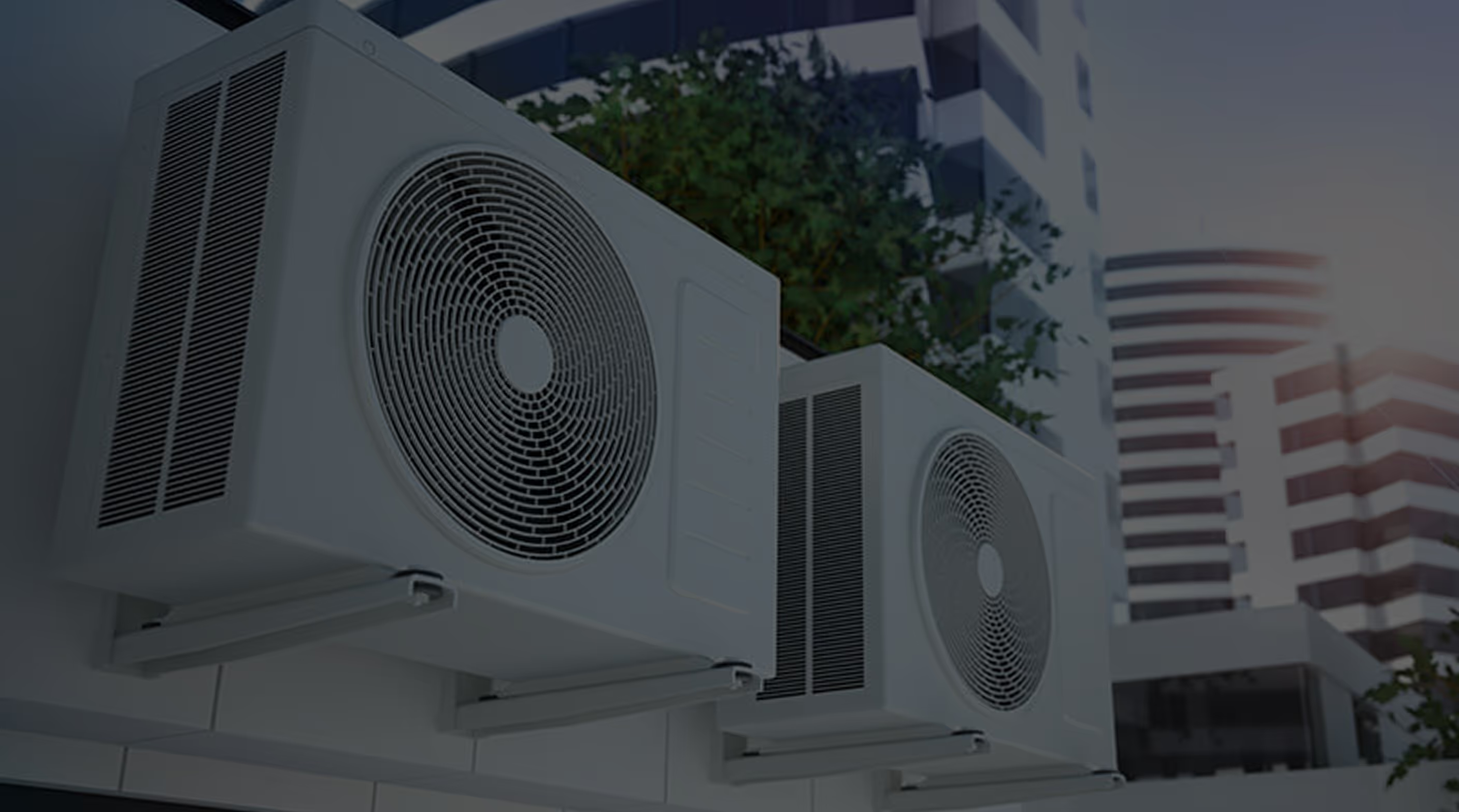
Mini Split Repair in Fremont, CA
At Plum HVAC, we're dedicated to bringing reliable comfort back to homes and small businesses in Fremont, CA. We specialize in professional mini-split repair services that restore your system's performance. We'll walk you through common system failures and outline our step-by-step diagnostic process, typical parts replacement, and service timelines, including emergency response and warranty coverage.
We explain key issues such as compressor malfunctions, refrigerant leaks, electrical faults, and drainage problems, always emphasizing safe repair practices. Homeowners and business owners also gain insight into our technician qualifications, preventive maintenance, pricing expectations, and strategies to maintain system efficiency and longevity in Fremont’s climate.
-min%2520(1).jpeg)
Mini Split Repair in Fremont, CA
Mini split repair in Fremont, CA is focused on restoring reliable, efficient comfort for homes and small commercial spaces that rely on ductless heating and cooling. Fremont homes face warm summer heat spikes, occasional high humidity and local dust and pollen, all of which place steady demand on mini split systems. This page explains common failures, step-by-step diagnostics and repairs, typical parts replacement, expected timelines, emergency and after-hours response norms, technician qualifications and warranty considerations, plus practical tips to avoid future breakdowns.
Why timely mini split repair matters in Fremont
Mini-split systems are compact and efficient, but small problems can quickly become major failures when outdoor temperatures rise. Delaying repairs increases wear on inverter compressors and fan motors, raises energy use, and can cause indoor comfort problems during heatwaves. Quick, accurate repair preserves system efficiency and can extend equipment life.
Common mini split issues in Fremont
- Compressor problems - Inverter compressors can fail mechanically or electronically after prolonged high-load operation. Symptoms include weak or no cooling, loud starting noises, or the outdoor unit failing to run.
- Refrigerant leaks - Low refrigerant charge reduces cooling capacity and causes ice on evaporator coils. Leaks are common at fittings, brazed joints, or service valves.
- Electrical faults - Faulty capacitors, relays, control boards, or loose wiring can create intermittent operation, hard starts, or complete shutdowns.
- Fan or motor failures - Indoor or outdoor fan motors can seize or run poorly due to dust, pollen, corrosion, or bearing wear.
- Blocked condensate drains and clogged filters - Local dust, pollen and occasional high humidity can block drains and filters, causing water leaks or reduced airflow.
- Sensor or control issues - Faulty thermostats, remote controls, or temperature sensors can cause erratic cycling or incorrect comfort levels.
Diagnostic process - what to expect
Diagnosing a mini split problem follows a logical sequence to identify root causes without unnecessary parts replacement:
- Visual inspection - Check indoor and outdoor units for debris, coil condition, obvious leaks, wire damage, and condensate overflow.
- Operational check - Run the system to observe startup behavior, listen for abnormal noises, and note error codes on indoor consoles.
- Electrical testing - Use meters to verify voltage, current draw, and component continuity. Inspect capacitors, contactors, and control boards.
- Refrigerant assessment - Measure pressures and superheat/subcooling to determine charge condition. Dye or electronic leak detection may be used when leaks are suspected.
- Airflow measurement - Confirm fan speeds and check for indoor airflow restrictions like clogged filters or blocked grilles.
- Component isolation - Temporarily bypass or test components (safely and per manufacturer guidance) to confirm failures.
Typical diagnostics are performed in a single visit in most cases. If refrigerant recovery or parts ordering is required, additional work may be scheduled.
Typical repair steps and parts replacement
Repairs are matched to the diagnosed fault and follow safety and refrigerant-handling regulations:
- Refrigerant leak repair - Locate and repair the leak (brazing or replacing line sections), evacuate and pressure-test the system, then recharge to manufacturer specifications and verify performance.
- Compressor replacement - Replace the outdoor compressor if mechanically or electrically failed. This often includes recovering refrigerant, replacing the compressor, vacuuming the system, charging to spec, and testing. Compressor jobs can require component matching and sometimes longer lead time.
- Electrical repairs - Replace capacitors, contactors, control boards, or wiring. Tighten connections and retest system operation.
- Fan and motor replacement - Replace indoor or outdoor fan motors or blades. Clean coils and fans to restore airflow.
- Drain and filter service - Clear condensate lines, replace or clean filters, and inspect the drain pan for proper slope and condition.
- Sensor and control replacement - Replace faulty thermostats, sensors, or remotes and recalibrate system settings.
Common replacement parts include compressors, expansion valves, accumulator/drier, fan motors, control boards, capacitors, and refrigerant line sections.
Expected timelines
- Diagnostics and minor repairs - Many diagnostics and simple fixes (filter, drain, capacitor or relay replacement) are completed within 1 to 3 hours on the initial visit.
- Refrigerant repair - Leak detection, repair and recharge typically take a half day, but may extend if a hard-to-find leak requires additional isolation.
- Compressor or major component replacement - These repairs commonly require a full day. If parts must be ordered, turnaround depends on part availability.
- Follow-up checks - A short follow-up may be scheduled within days to confirm system stability after refrigerant work or major replacements.
These timelines reflect common field practice; actual duration varies with system age, model complexity and parts availability.
Pricing and estimate expectations (what customers can expect)
While specific costs vary widely by system type and required parts, expect service providers to:
- Provide a clear written estimate that lists parts, labor and any refrigerant handling fees before major work begins.
- Explain whether a repair preserves long-term efficiency or if component age suggests replacement.
- Disclose when diagnosis is billed separately from repair.
Estimates are typically based on the complexity of the fault, the make and model, refrigerant type, and whether parts are locally available.
Emergency and after-hours response
Fremont homeowners can encounter failures during hot spells when fast response matters. Many local service providers offer after-hours or emergency repair options to address total outages or serious leaks. Emergency service may prioritize safety issues, refrigerant leaks, or total cooling loss during extreme temperatures. Emergency response timelines will depend on technician availability and parts on hand.
Technician qualifications and safety
For reliable mini split repair in Fremont, technicians should hold:
- EPA Section 608 certification for legal refrigerant handling and recovery.
- Formal HVAC training or equivalent manufacturer-specific training in ductless inverter systems.
- Experience with inverter-driven compressors and electronic control diagnostics.
- Proper tools for leak detection, vacuum and charging, electrical testing, and brazing.
Technicians should follow local codes and manufacturer service procedures to preserve warranties and ensure safe operation.
Warranty and parts coverage
- Manufacturer warranties can cover compressors and major components, often for multiple years. Coverage terms vary by brand and model.
- Labor warranties offered by service providers commonly range from 30 days to one year. Expect a written warranty that specifies parts and labor coverage.
- Major repairs performed out of warranty should document replaced parts and provide clear post-repair testing records.
Always verify warranty terms for your specific mini split model before authorizing major component work.
Preventive maintenance to avoid future breakdowns in Fremont
- Clean or replace indoor filters every 1 to 3 months during heavy use.
- Schedule annual tune-ups before peak cooling season to check refrigerant charge, electrical connections, fan motors, and controls.
- Keep outdoor units clear of vegetation, debris and corrosion from nearby salt or irrigation spray.
- Flush and inspect condensate drains annually to prevent clogs and water damage.
- Avoid DIY refrigerant handling. Only certified technicians should test and charge refrigerant.
- For older units, monitor cycling behavior and efficiency; multiple small failures may indicate end-of-life and a conversation about replacement may be prudent.
Mini split repair in Fremont, CA focuses on diagnosing problems quickly, repairing or replacing the correct components, and restoring efficient operation while respecting manufacturer rules and local conditions. Proper diagnostics, certified technicians, documented estimates, and routine maintenance are the best ways to protect comfort and investment in Fremont homes.
hear what our satisfied clients have to say

.svg)
Service areas
.avif)