
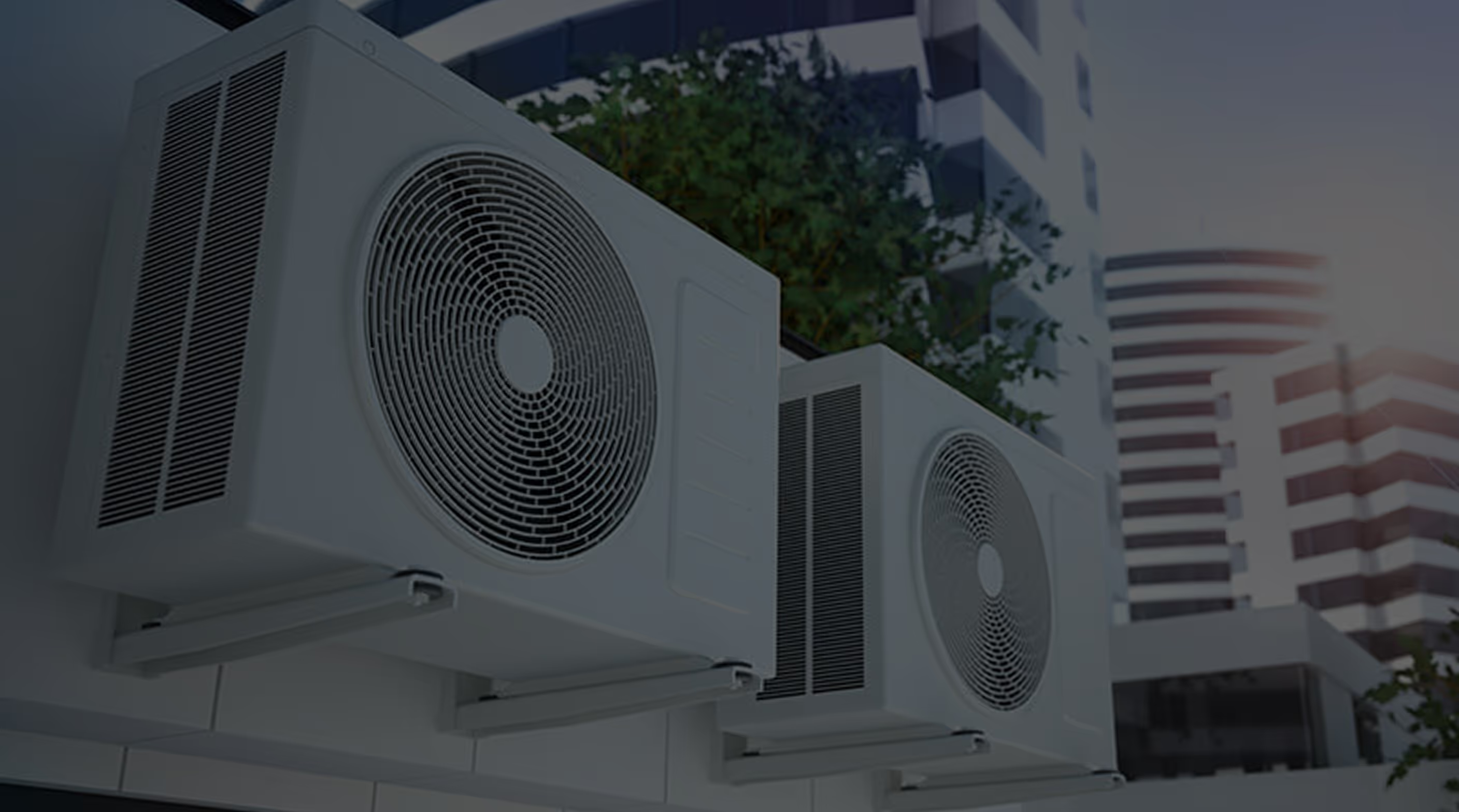
Mini Split Maintenance in Fremont, CA
Fremont residents can keep their mini-split heat pumps and ductless ACs running efficiently with seasonal maintenance tailored to East Bay conditions. Plum HVAC's regular tune-ups address airflow, refrigerant, electrical safety, and mechanical function, reducing energy bills and extending equipment life. Our service covers unit inspections, coil cleaning, drain maintenance, leak checks, thermostat calibration, and performance testing. We then provide a prioritized maintenance plan and usage-based recommendations. Regularly scheduled visits protect indoor air quality, reliability, and warranty compliance while helping you avoid mid-season breakdowns.
Mini Split Maintenance in Fremont, CA
Keeping your mini-split heat pump or ductless air conditioner running reliably in Fremont, CA means scheduling regular maintenance that addresses both routine wear and the unique local challenges of the East Bay climate. Proper mini split maintenance in Fremont, CA restores peak efficiency, extends equipment life, and reduces the risk of mid-summer or winter failures when you need comfort most.
Why seasonal mini-split maintenance matters in Fremont
Fremont experiences warm, sometimes hot summers and generally mild winters, with occasional spikes in temperature and periodic wildfire smoke that can increase indoor particulate load. Those local conditions make regular maintenance essential because:
- High cooling demand in summer increases compressor and fan wear.
- Wildfire smoke and airborne particulates clog filters and coils faster, degrading indoor air quality and heat transfer.
- Frequent use of heat mode in shoulder seasons means refrigerant and electrical systems should be checked year-round.
- Energy costs in California make keeping systems efficient financially important.
Common mini split issues in Fremont homes
Homeowners who skip maintenance often see these recurring problems:
- Reduced cooling or heating capacity
- Higher energy bills despite similar usage
- Uneven room temperatures and poor humidity control
- Noisy operation from worn fan motors or loose mounts
- Frequent short-cycling or hard starts
- Condensate overflow and water stains from clogged drain lines
- Refrigerant leaks that lower performance and can damage the compressor
What a professional mini-split tune-up includes
A comprehensive seasonal tune-up addresses airflow, refrigerant, electrical safety, and mechanical function. Typical tasks performed during mini-split maintenance in Fremont, CA:
- Visual inspection of indoor and outdoor units for physical damage, corrosion, and pest intrusion
- Filter cleaning or replacement to restore airflow and indoor air quality
- Evaporator and condenser coil cleaning to improve heat transfer
- Condensate drain and pan cleaning to prevent clogs and overflow
- Refrigerant level check and performance testing (superheat/subcooling) to detect leaks or undercharge
- Electronic leak detection if refrigerant readings are out of range
- Electrical safety inspection: check wiring, terminals, capacitors, contactors, and breakers
- Fan and motor servicing: cleaning blades, checking bearings, measuring motor amperage
- Thermostat/control calibration and verification of communication between indoor and outdoor units
- Vibration, noise, and ductless mount integrity checks
- System performance testing: temperature split, airflow measurement, run-amperage, and overall cycle behavior
- Maintenance report with findings and prioritized recommendations
Diagnostics explained in plain terms
Technicians begin with a visual and operational check. They measure how much the system cools or heats a room (temperature split) and how much airflow the indoor unit produces. Refrigerant checks determine whether the system has the correct charge; low refrigerant often means a leak that must be found and repaired. Electrical tests ensure components start and run safely; failing capacitors or loose connections are common causes of mid-season breakdowns. Coil and filter cleaning is mechanical but has a large impact on efficiency and indoor air quality—especially important after wildfire smoke events in the Bay Area.
Repair and solution options you can expect
When maintenance uncovers issues, standard repair options include:
- Cleaning or replacing filters and coils to restore efficiency
- Clearing or repairing condensate drains and pans to stop leaks
- Tightening or replacing electrical connections, capacitors, and relays to prevent failures
- Replacing worn fan motors, bearings, or other moving parts
- Locating and repairing refrigerant leaks followed by proper recharge and performance re-test
- Adjusting controls, thermostats, and wireless communications for correct operation
Technicians will prioritize safety and cost-effectiveness, explaining which repairs are urgent and which can be scheduled.
Recommended maintenance frequency for Fremont homes
- At minimum: Annual tune-up for most homeowners to maintain efficiency and warranty requirements.
- Best practice: Biannual service (spring and fall) for homes with heavy summer use, heat-pump heating in winter, or higher airborne particulate exposure (near construction, areas affected by wildfire smoke, or households with pets).
- Older systems or units with recurring issues: consider quarterly or seasonal checks until reliability improves.
Maintenance plans and options
Maintenance plans typically offer tiered services to match different needs:
- Basic seasonal tune-up: filter cleaning, basic inspection, performance test, and report.
- Comprehensive plan: all basic services plus coil cleaning, electrical testing, refrigerant check, condensate service, and priority scheduling.
- Multi-unit or whole-home plan: covers multiple indoor heads with scheduled visits and bundled pricing—useful in Fremont condos and larger homes.
- Preventive agreement features often include maintenance logs, reminders timed for Fremont’s peak usage seasons, diagnostic records, and discounts on parts or labor for covered repairs.
Benefits of regular mini-split maintenance
Keeping a scheduled maintenance routine provides clear, measurable benefits:
- Lower energy bills through improved efficiency and correct refrigerant charge
- Longer equipment life and fewer premature compressor failures
- Fewer emergency repairs during Fremont’s hottest months or smoke events
- Improved indoor air quality by keeping filters and coils clean—especially important after wildfire smoke
- Consistent comfort with better temperature control and humidity management
- Compliance with warranties that require documented annual maintenance
Final considerations for Fremont homeowners
Mini-split systems deliver targeted comfort and efficient heating and cooling for Fremont homes, but they require regular care to perform optimally in our regional climate. Planned, seasonal maintenance reduces operating costs, improves reliability, and protects indoor air quality in areas prone to dust and seasonal smoke. Choose a maintenance cadence that reflects your household’s usage, local exposure to airborne particulates, and the age of your equipment to keep your mini-split running at peak performance year after year.
hear what our satisfied clients have to say

.svg)
Service areas
.avif)