
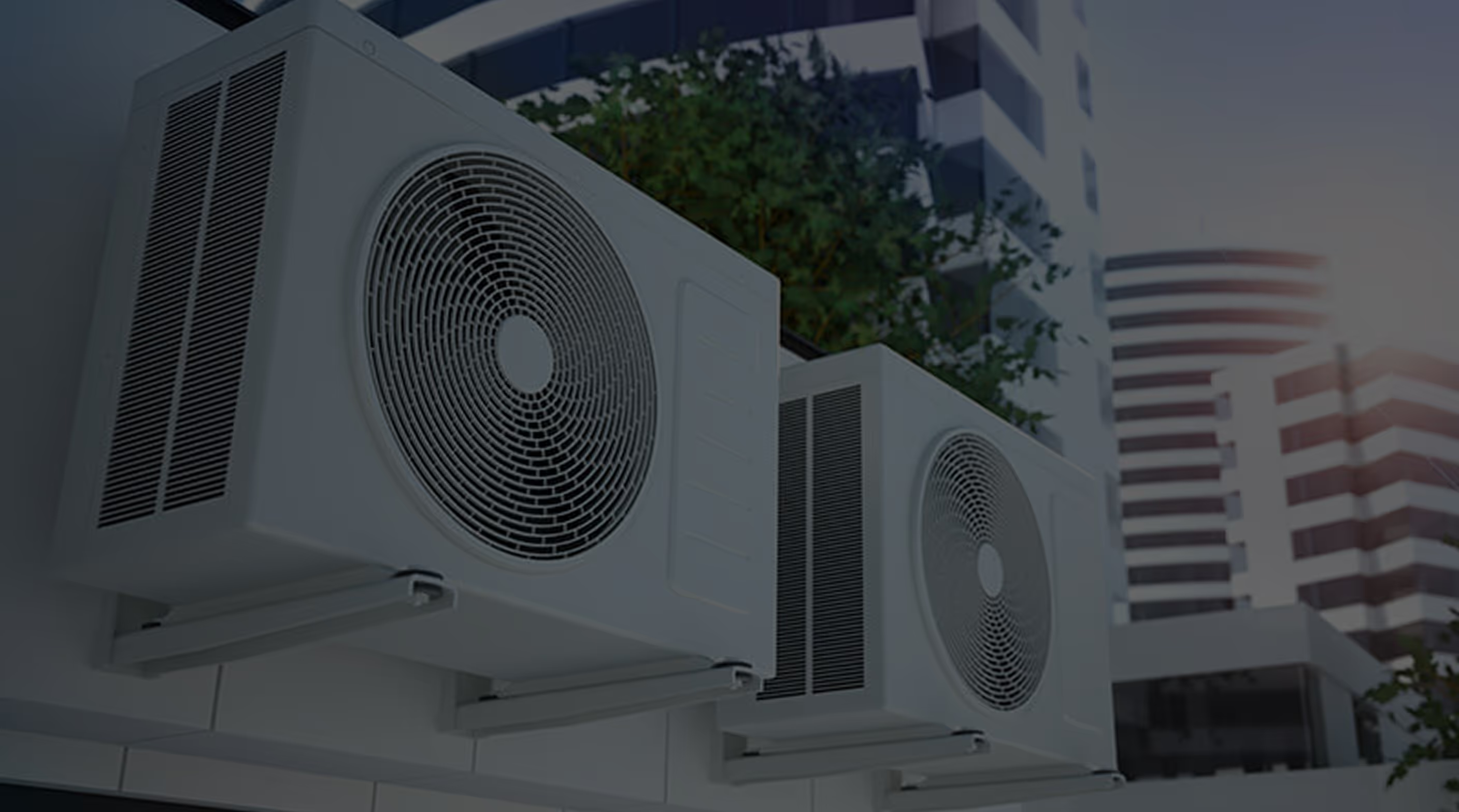
Mini Split Repair in Santa Clara, CA
At Plum HVAC, we provide smart, responsive mini split repair services in Santa Clara, CA, to diagnose and restore comfort for your home or small office. We outline common faults such as refrigerant leaks, compressor issues, indoor blower problems, electrical faults, thermostat errors, and drainage challenges. Our structured on-site inspection includes visual checks, operation tests, measurements, leak detection, and thorough documentation.
We cover repair options, expected timelines, warranty considerations, and practical scheduling tips for emergencies or routine maintenance to keep your system reliable year-round. Trust Plum HVAC for expert mini split care in Santa Clara.
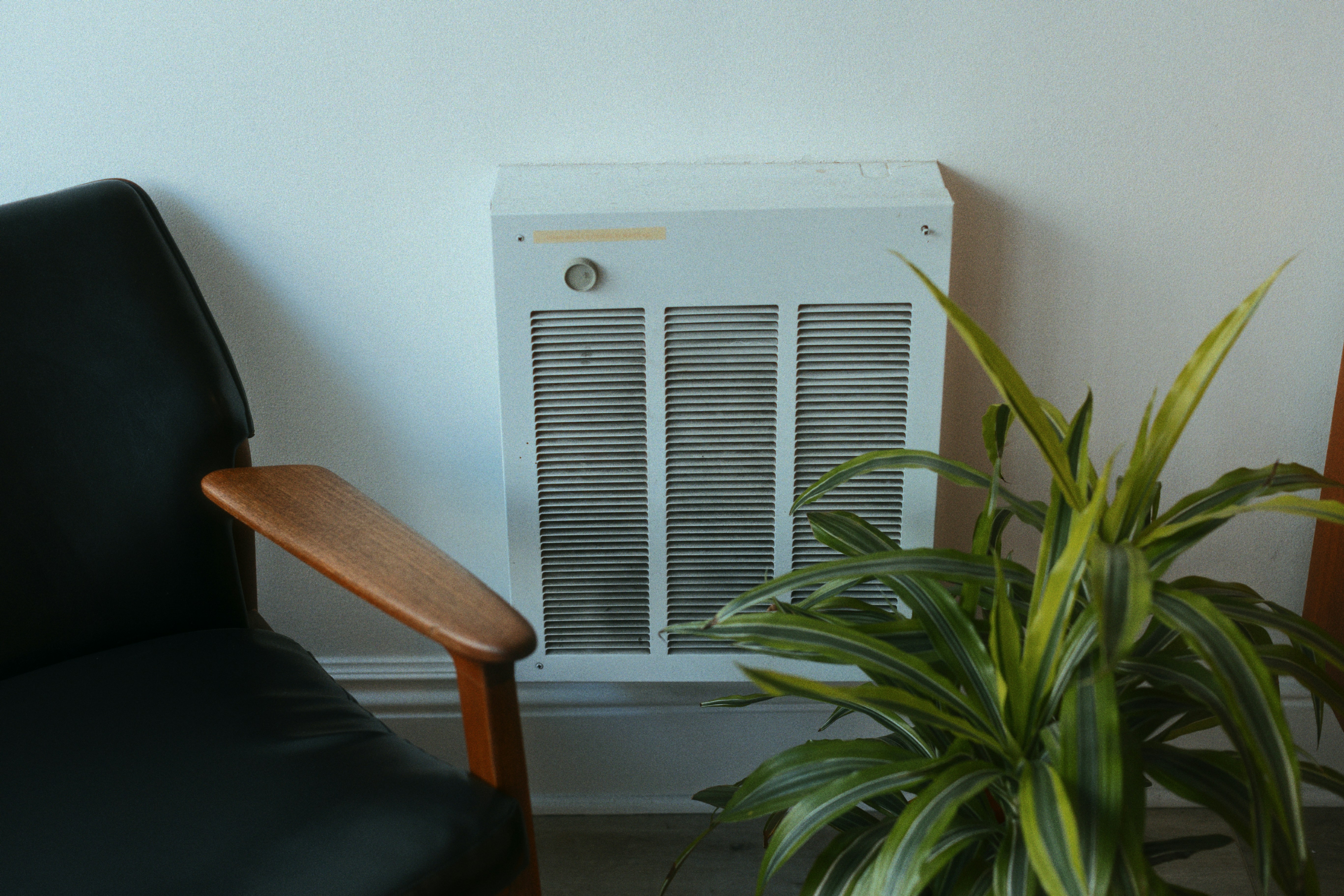
Mini Split Repair in Santa Clara, CA
When a ductless mini split fails in Santa Clara, CA, it can quickly disrupt comfort during hot summer days or make winter heating intermittent. Mini split repair in Santa Clara focuses on restoring efficient, reliable cooling and heating for homes and small offices. This page explains common ductless mini-split faults found in local properties, how on-site diagnosis works, typical repair solutions and parts replacement, realistic repair timelines, warranty expectations, and practical instructions for scheduling emergency or routine service.
Why timely mini split repair matters in Santa Clara
Santa Clara experiences hot, dry summers and relatively mild winters, which places higher seasonal demand on cooling equipment. A poorly performing mini split not only reduces comfort but increases energy use and accelerates wear on components. Early diagnosis and repair prevent larger failures, preserve efficiency, and extend system life—important in a region where many homes rely on ductless systems for targeted climate control.
Common mini split issues in Santa Clara homes
- Refrigerant leaks: Low refrigerant causes weak cooling, ice on the evaporator, and higher compressor strain. Leaks often occur around fittings, brazed joints, or line-set damage.
- Compressor failure or reduced capacity: Symptoms include loud starting noises, frequent cycling, or no cold air from the outdoor unit.
- Indoor fan or blower problems: Weak airflow, uneven room temperatures, or rattling noises from the indoor head often indicate motor or fan blade issues.
- Electrical and control faults: Tripped breakers, blown fuses, or burned relay contacts affect operation. Corrosion and loose wiring are common in coastal-influenced microclimates.
- Thermostat and remote control issues: Sensor faults or communication errors between indoor and outdoor units lead to incorrect temperature control or failure to start.
- Drain and condensate problems: Clogged drain lines or pan issues cause water leaks and potential interior damage.
- Drain freeze and ice buildup: Caused by restricted airflow or refrigerant problems, more likely when systems run continuously during warm months.
On-site inspection and troubleshooting: what to expect
A professional diagnosis follows a methodical, documented approach:
- Visual inspection: Check indoor heads, outdoor unit, line-set, electrical connections, drain lines, and filters for obvious damage, corrosion, or blockages.
- Operational test: Run the system in different modes to observe startup behavior, noises, airflow, and temperature change across the evaporator coil.
- Measured checks: Use gauges, temperature probes, and amp meters to measure refrigerant pressure, superheat/subcooling, and compressor electrical draw when needed.
- Leak detection: Electronic leak detectors or dye tests locate refrigerant leaks; visible oil trails are also inspected.
- Control diagnosis: Evaluate remote/thermostat signals, board communication, and error codes logged by the system.
- Photographic documentation: Key findings and failed parts are documented to support repair planning and any warranty work.
This structured approach ensures repairs address root causes rather than temporary symptoms.
Repair solutions and parts replacement
Common repairs and replacements for ductless mini splits include:
- Refrigerant leak repair and recharge: Locate and repair the leak, evacuate and properly evacuate the system, then recharge to manufacturer specifications.
- Compressor replacement or rebuild: For failed compressors, replacement of the outdoor unit or compressor module may be necessary; verify compatibility and recovery procedures.
- Fan and blower motor replacement: Fix or replace indoor blower motors, fan blades, or bearings to restore proper airflow.
- Electrical repairs: Replace damaged wiring, contactors, capacitors, fuses, or control boards. Secure and weatherproof outdoor electrical connections.
- Control and sensor replacement: Replace faulty thermostats, remotes, or communication modules to restore reliable control.
- Drain cleaning and pan repair: Clear condensate lines, realign drain pans, and install safety switches to prevent overflows.
- Line-set or coil repairs: Repair damaged refrigerant lines and repair or replace indoor coils if severely corroded or compromised.
Parts used should match manufacturer specifications to maintain system efficiency and support remaining warranty coverage where applicable.
Typical repair timelines and factors that affect service time
- Diagnostic visit: 30 minutes to 1.5 hours, depending on system accessibility and the complexity of the fault.
- Common on-site repairs: Replacing a blower motor, fan, or thermostat typically takes 1 to 3 hours.
- Refrigerant leak repairs with evacuation and recharge: 2 to 6 hours, depending on the leak location and extent of recovery work.
- Compressor or major component replacements: 4 to 8 hours or may require a follow-up day if parts must be ordered.
Factors that influence timelines include unit accessibility (roof or tight closets add time), part availability, the need for brazing and nitrogen purging, and whether multi-zone systems require coordinated work on multiple indoor heads.
Warranty and guarantee information
Repairs should be performed using OEM-equivalent parts and documented service records. Typical warranty practices to expect:
- Replacement parts often carry manufacturer or supplier warranties; verify terms and remaining original equipment warranty before repair.
- Labor guarantees for workmanship vary; documented service records and post-repair testing give assurance that the repair corrected the issue.
- For refrigerant repairs, proper leak repair and pressure testing are key to maintaining manufacturer coverage. Always request written confirmation of parts used and warranty terms for future reference.
Emergency vs routine repair scheduling: what to prepare
To ensure efficient scheduling and accurate service, have these details ready when arranging emergency or routine repairs:
- System model and serial numbers (found on indoor/outdoor unit nameplates)
- A clear description of symptoms (no cooling, noisy start, leaks, error codes)
- Recent maintenance history (filter changes, prior refrigerant work)
- Whether multiple indoor heads are affected (multi-zone vs single-zone)
- Any visible signs such as oil stains, ice on lines, water leaks, or burning odor
- Availability window and whether the issue is an immediate safety concern (sparking, smoke, major water leak)
For emergencies, identify immediate safety steps: turn the system off at the remote or breaker, isolate water sources if leaking, and avoid operating a system that emits burning smells or smoke.
Seasonal maintenance tips to reduce repairs in Santa Clara
- Clean or replace filters every 1 to 3 months during peak use.
- Keep indoor heads and outdoor units clear of debris and vegetation.
- Schedule a preventive check before summer to verify refrigerant charge, electrical connections, and drain integrity.
- Maintain a service log of repairs and parts for warranty and resale value.
Timely mini split repair and preventive maintenance keep systems efficient and reliable through Santa Clara’s hot summers and mild winters. Proper diagnosis, quality parts, and documented repairs protect comfort and help avoid more costly failures down the road.
hear what our satisfied clients have to say

.svg)
Service areas
.avif)