
Mini Split Installation in Santa Clara, CA
Mini split installation in Santa Clara, CA offers a comprehensive overview of the full process from initial site assessment and load calculations to permit coordination, equipment placement, and post-install verification. We explain why ductless systems fit Santa Clara climates, highlight zoning benefits, and outline expected timelines, single- and multi-zone considerations, and energy-efficiency options. Our guide emphasizes careful planning, compliant installations, and homeowner orientation to maximize comfort, efficiency, and long-term performance while minimizing disruption and maintenance needs.
-min.jpeg)
Mini Split Installation in Santa Clara, CA
A properly installed mini split system delivers efficient, zoned cooling and heating for Santa Clara homes where summer heat and variable microclimates demand flexible comfort control. This page explains the full process for new mini split installation in Santa Clara, CA — from site assessment and load calculation through permit coordination, installation steps, and post-install verification — so you know exactly what to expect and why each step matters for long-term performance and energy savings.
Why choose a mini split in Santa Clara, CA
Santa Clara experiences hot, dry summers and mild winters, making ductless mini splits an ideal solution for targeted cooling and supplemental heating. Mini splits provide:
- Zoned temperature control for rooms with different usage patterns.
- High seasonal efficiency, helping comply with California energy goals and local utility rebate programs.
- Minimal disruption to existing interiors since they do not require ductwork.
- Quick installation timelines for additions, room conversions, or homes where extending ducts is impractical.
Common mini split installation needs in Santa Clara homes
Homeowners typically pursue mini split installation for one or more of the following reasons:
- Adding cooling to rooms not served by central HVAC, such as sunrooms, garages converted to living space, or older bungalows without ducts.
- Replacing inefficient window units or space heaters with a quieter, more energy-efficient system.
- Creating independent temperature zones to reduce whole-house energy use.
- Upgrading heating performance in milder winter months without running central heat.
Site assessment and load calculation
A successful mini split installation starts with a professional site assessment and a room-by-room load calculation:
- Assess room orientation, insulation levels, window size and type, occupancy, and existing heat sources. In Santa Clara, south-facing rooms and single-pane windows increase cooling loads.
- Perform Manual J style load calculations to size indoor and outdoor units correctly. Oversized or undersized equipment leads to comfort and efficiency problems.
- Determine the best indoor unit style for each room: wall mounted, low wall/high wall, ceiling cassette, or floor console, based on aesthetics and airflow needs.
Indoor and outdoor unit placement considerations
Proper placement is crucial for performance and homeowner satisfaction:
- Indoor units should be mounted where airflow can distribute evenly without direct drafts on occupants, typically high on an interior wall away from obstructions. Avoid mounting above heat-generating appliances or too close to windows.
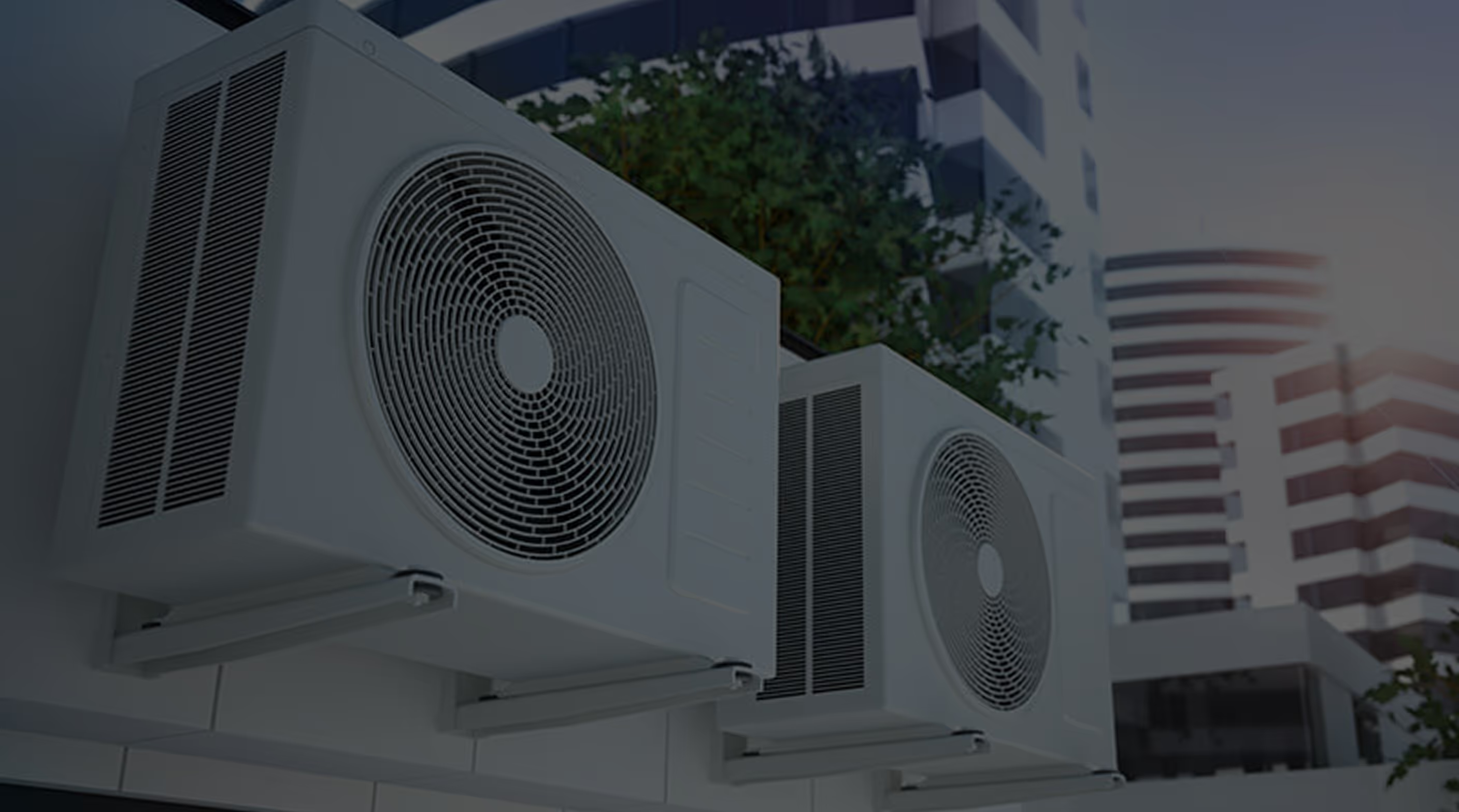
- Outdoor units require a stable, level pad with at least 12 to 24 inches of clearance for airflow and service access. In Santa Clara, consider shading options to reduce compressor load while avoiding enclosed spaces that trap heat.
- Multi-zone systems require planning for refrigerant line lengths and elevation differences to keep within manufacturer specifications.
Installation steps: what happens on install day
Typical new mini split installation follows these steps, usually completed in one to three days depending on job complexity:
- Confirm final equipment locations and access points. Mark wall penetrations.
- Mount indoor unit bracket and cut a 2 to 3 inch wall hole for refrigerant and condensate lines. Install protective sleeve or furring for a clean finish.
- Install indoor unit, route refrigerant lines, condensate drain, and control wiring to the outdoor location.
- Set and secure outdoor unit on a concrete pad, bracket, or stand. Connect refrigerant lines and electrical service.
- Evacuate the refrigerant lines with a vacuum pump to remove moisture and non-condensables; release factory-charged refrigerant to complete the circuit as required.
- Test electrical connections, start the system, and perform initial operating checks including pressures, superheat/subcooling where applicable, and proper airflow.
- Seal and finish penetration points and secure line sets to meet appearance and code expectations.
Timeline and what affects it
Standard single-zone installs for accessible locations often take a full day. Multi-zone systems, difficult access, long line sets, or upgrades to electrical service can extend the timeline to two or three days. Permit processing can add additional time before physical work begins. Weather-related delays are rare in Santa Clara but possible during heavy rains.
Energy-efficient model recommendations
In Santa Clara, prioritize models with:
- High SEER2 and HSPF2 ratings to meet California efficiency expectations and reduce operational costs.
- Inverter-driven compressors for precise temperature control and reduced cycling.
- Multi-zone outdoor units if you plan to climate control multiple rooms while maximizing efficiency.
- Advanced filtration and heat pump capability for year-round comfort.
Consider systems that qualify for local utility incentives or state programs aimed at reducing carbon emissions.
Permit and inspection coordination
Installations in Santa Clara typically require a building permit and possibly an electrical permit. Permit requirements vary by city jurisdiction within Santa Clara County, and inspections will verify compliance with:
- California Mechanical and Electrical Codes.
- Local energy and refrigerant handling requirements.
- Proper mounting, clearances, and electrical connections.
A coordinated approach ensures documentation for future property transactions and eligibility for any local rebates. Including permit fees and inspection windows in the project timeline avoids surprises.
Post-install performance verification and homeowner orientation
After installation, a thorough performance check is essential:
- Verify cooling and heating output, check refrigerant pressures, and measure supply and return temperatures to confirm correct operation.
- Confirm condensate drainage works under both normal and startup conditions.
- Inspect electrical connections and safety devices.
Homeowner orientation should cover:
- How to use remote controls and scheduling features for zoned comfort and energy savings.
- Recommended maintenance intervals such as filter cleaning every 1 to 3 months and annual professional inspections.
- Basic troubleshooting tips for common issues like blocked filters or condensate clogs.
- Documentation of installed equipment, warranty information, and any completed permit/inspection paperwork.
Benefits and maintenance advice for Santa Clara homeowners
A correctly installed mini split system provides efficient, comfortable, and quiet climate control with lower operating costs than many alternatives. To maintain peak performance:
- Keep filters clean and unobstructed.
- Maintain outdoor unit clearance from debris and vegetation, especially during Santa Clara’s rainy season and spring growth.
- Schedule a yearly professional tune-up to inspect refrigerant levels, electrical connections, condensate lines, and system controls.
Regular maintenance prolongs equipment life, sustains efficiency, and helps avoid unexpected downtime during peak summer use.
Mini Split Installation in Santa Clara, CA covers everything from precise load calculations and thoughtful placement to permit coordination and homeowner training. Following these best practices ensures a dependable, efficient system that matches your home’s needs and the local climate conditions.
hear what our satisfied clients have to say

.svg)
Service areas
.avif)