

Mini Split Maintenance in Santa Clara, CA
A professional seasonal maintenance program for mini split systems in Santa Clara, CA from Plum HVAC ensures reliable performance in a climate where systems operate year-round. We address common local issues such as dirty filters, clogged coils, refrigerant leaks, and airflow problems. Our program follows a thorough tune-up checklist, including inspections, cleaning, performance testing, and safety checks. Service intervals and plan options are outlined, along with the benefits of regular maintenance. Practical tips help homeowners extend system efficiency, improve comfort, and prolong the life of their mini split units.
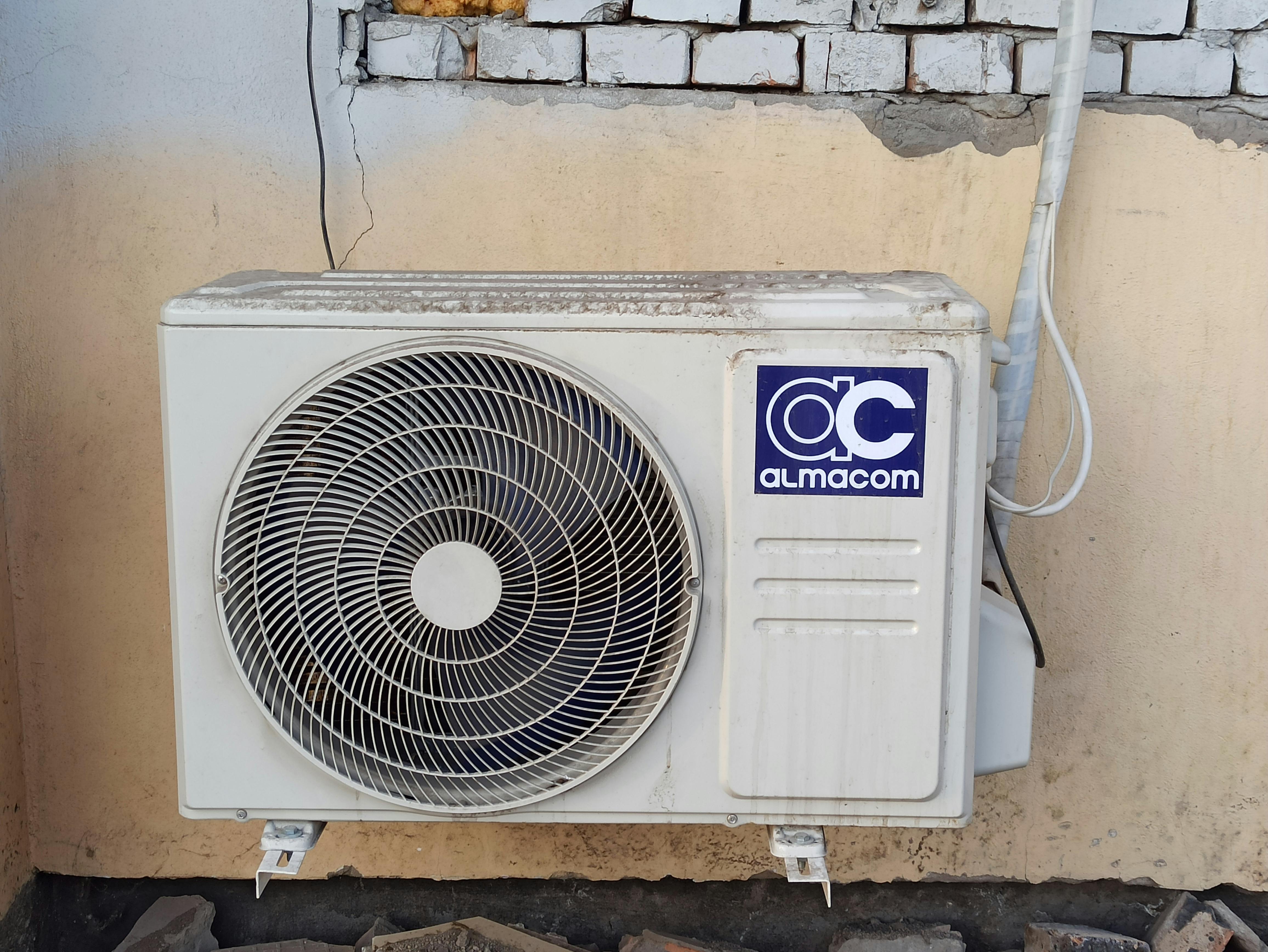
Mini Split Maintenance in Santa Clara, CA
Keeping your mini split system in peak condition matters in Santa Clara, where warm summers, occasional heat waves, and year-round indoor comfort needs put steady demand on ductless systems. Regular preventative maintenance protects comfort, reduces energy waste, and extends equipment life. This page explains what a professional mini split maintenance program should include, common issues we see in Santa Clara homes, recommended service intervals, and what to expect from different service plan options.
Why seasonal mini split maintenance matters in Santa Clara
Santa Clara’s climate means mini splits often run much of the year. Warmer months with dust and cooling load spikes, combined with mild winters when heat mode is used, expose components to continuous cycling and airborne contaminants. Without routine maintenance you can expect:
- Reduced cooling and heating performance during peak demand
- Higher energy consumption and larger utility bills
- Greater risk of refrigerant leaks, coil clogging, or compressor stress
- Shortened equipment lifespan and more frequent repairs
- Indoor air quality decline from dirty filters and coils
A planned maintenance schedule prevents small problems from becoming expensive failures and keeps systems operating at designed efficiency.
Common mini split issues in Santa Clara homes
Understanding common local problems helps tailor maintenance:
- Clogged filters and dirty indoor coils from dusty, dry summer air
- Reduced airflow from blocked fan motors or restricted condensate drains
- Refrigerant loss leading to weak cooling, often from slow leaks
- Frozen evaporator coils caused by low refrigerant or poor airflow
- Electrical faults and loose connections after heavy seasonal cycling
- Noisy outdoor units due to debris or worn mounting hardware
- Sensor/calibration drift in multi-zone systems affecting balanced comfort
Addressing these issues during scheduled tune-ups minimizes downtime during hot spells when you need reliable cooling.
What a professional seasonal tune-up includes
A thorough mini split tune-up examines both indoor and outdoor components and measures system performance. Typical steps performed by a trained technician:
- Visual inspection of indoor and outdoor units for damage, debris, and proper mounting
- Filter cleaning or replacement recommendations and instruction on homeowner care
- Condenser and evaporator coil cleaning to restore heat transfer
- Refrigerant level check and leak detection if levels are low
- Electrical inspection: tighten terminals, inspect contactors, fuses, and capacitors
- Fan and motor function check for indoor blower and outdoor unit
- Condensate drain and pan inspection and cleaning to prevent overflow and mold
- Performance testing: temperature split measurement, airflow check, and compressor load
- Control and thermostat check including remote sensors and communication on multi-zone systems
- Safety and operational verification in both cooling and heating modes where applicable
- Written maintenance report with findings, recommended repairs, and efficiency notes
Technicians should explain any issues in plain language and show evidence when possible, such as photos of dirty coils or test readings.
Diagnostic and performance testing explained simply
Performance testing is the part of maintenance that proves the system is working efficiently:
- Temperature split: compares indoor return air to supply air to confirm proper cooling or heating output.
- Airflow check: ensures adequate air is moving across the indoor coil; poor airflow often points to filters, fan issues, or obstructions.
- Refrigerant diagnostics: measures pressures and temperatures to identify undercharge or imbalance without invasive work.
- Electrical checks: observe motor amperage and voltages to detect stress that shortens component life.
- Condensate flow test: confirms drains are clear and condensate is expelled properly to prevent leaks.
These checks find problems you might not notice until a breakdown, and they establish baseline readings to spot declines over time.
Recommended service intervals for Santa Clara homes
Frequency depends on usage, indoor air quality, and the number of zones. General recommendations for Santa Clara:
- Light use / single-family homeowners: annual tune-up before peak summer and an inspection before winter if heat mode is used
- Moderate to heavy use or multi-zone systems: tune-ups every 6 months (pre-summer and pre-winter)
- High dust, pets, or allergy concerns: filter checks monthly and coil cleaning every 6-12 months
- Older systems or units with past issues: more frequent inspections until performance stabilizes
Consistent biannual maintenance is often the best balance for Santa Clara households to maintain efficiency through seasonal transitions.
Service plan options (what to expect from programs)
Maintenance programs typically range from basic inspections to comprehensive plans. Below are common tiers and what they include so you can match a plan to your needs.
- Basic Maintenance Plan
- Annual inspection and pre-season tune-up
- Filter cleaning guidance and basic coil clean
- Condensate drain check
- Written summary of findings and recommended next steps
- Standard Preventive Plan
- Biannual tune-ups (pre-summer and pre-winter)
- Filter cleaning or replacement guidance
- Coil cleaning, refrigerant level check, and electrical inspection
- Priority scheduling for service calls and discounted diagnostic fees
- Comprehensive Care Plan
- Biannual or quarterly visits depending on usage
- Full cleaning, refrigerant diagnostics, part checks, and system performance testing
- Labor and parts discounts for covered systems, extended maintenance record for warranty support
- Annual indoor air quality assessment and detailed performance report
Each plan should specify exactly what is covered, recommended service windows, and any exclusions so you can choose the right level of protection without surprises.
Benefits of regular mini split maintenance
Routine maintenance delivers measurable homeowner advantages, including:
- Improved energy efficiency and lower monthly operating costs
- More consistent comfort and faster recovery during temperature spikes
- Fewer emergency repairs and extended equipment lifespan
- Better indoor air quality through clean filters and coils
- Evidence of upkeep that supports warranty and resale value
- Reduced likelihood of refrigerant-related failures and compressor damage
For residents of Santa Clara, where reliable cooling is important for comfort and productivity, prevention is especially valuable.
Simple homeowner maintenance tips between service visits
- Check and clean or replace filters monthly during heavy use
- Keep outdoor units free of leaves, grass clippings, and dust buildup
- Ensure indoor unit returns and supply areas are unobstructed
- Observe system performance and note any unusual sounds or error codes
- Keep condensate drain lines visible and clear where accessible
Regular small actions combined with professional tune-ups maintain efficiency and head off problems early.
Regular, professional mini split maintenance tailored to Santa Clara conditions preserves comfort, lowers operating costs, and protects your investment. A clear maintenance schedule and the right service plan make staying ahead of repairs simple and predictable.
hear what our satisfied clients have to say

.svg)
Service areas
.avif)