

Mini Split Repair in Redwood City, CA
For mini split repair in Redwood City, CA, Plum HVAC focuses on fast diagnostics, precise troubleshooting, and component-level repairs, all tailored to the unique conditions of the coastal Bay Area. We cover common symptoms like no cooling, short cycling, unusual noises, and poor airflow, with on-site inspection, electrical testing, leak detection, and careful refrigerant handling conducted by our EPA-compliant technicians.
Timelines range from same-day fixes to multi-day repairs for issues like compressor failure or major leaks. We'll also discuss preventive maintenance and warranty considerations to help protect the longevity and performance of your ductless system. Choose Plum HVAC for reliable mini-split service.
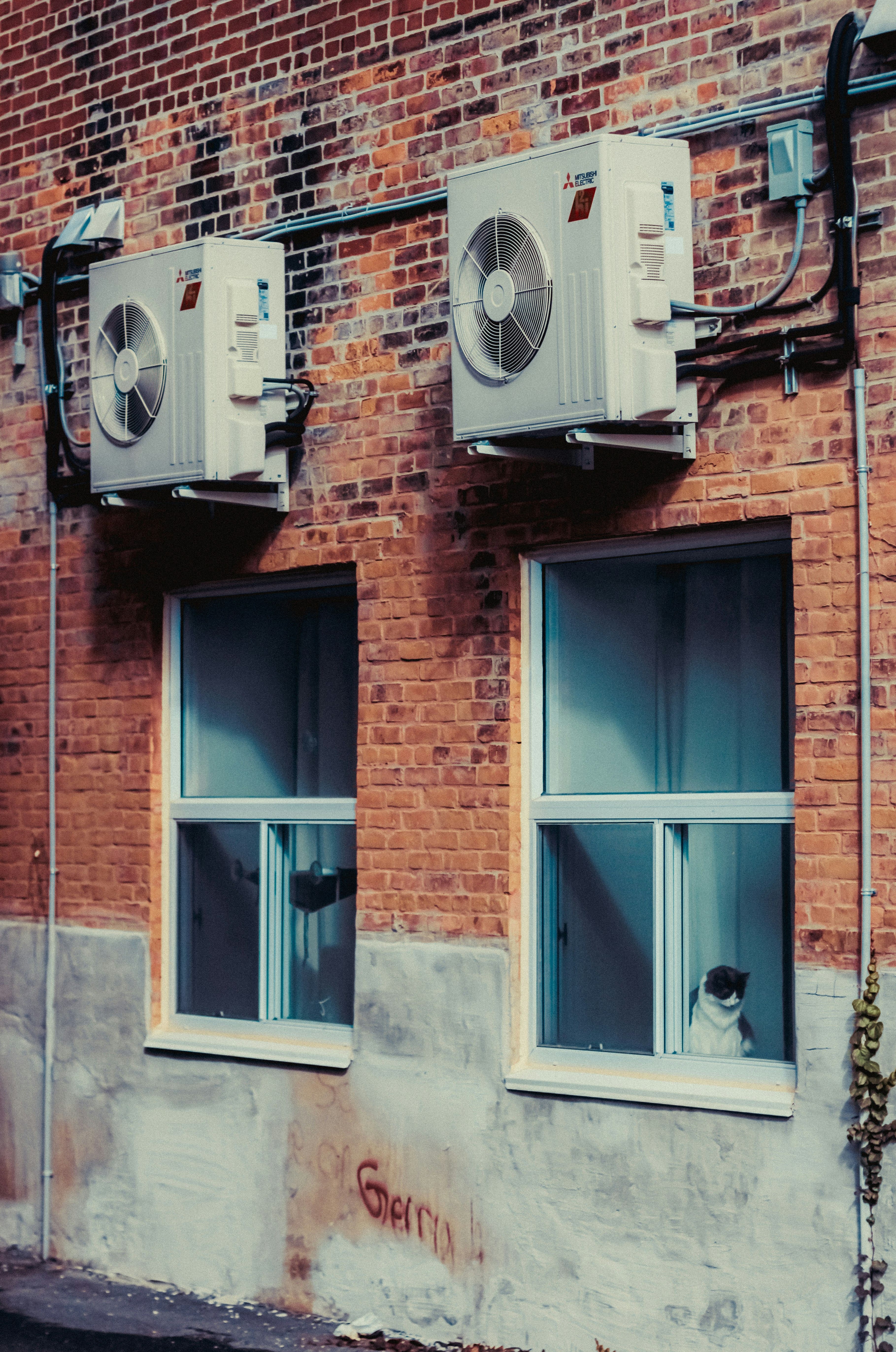
Mini Split Repair in Redwood City, CA
A malfunctioning ductless mini split disrupts comfort quickly — whether it’s no cooling during a heat spell, a noisy outdoor compressor, or weak airflow in a bedroom. Mini Split Repair in Redwood City, CA focuses on fast, accurate diagnostics and repairs tailored to the local climate issues that affect coastal Bay Area systems. This page explains common symptoms, on-site troubleshooting, component repairs, refrigerant handling and leak detection, expected repair timelines, warranty considerations, emergency repair options, and preventative maintenance tips specific to Redwood City homes.
Why timely mini split repair matters in Redwood City
Redwood City’s warm summers and proximity to the San Francisco Bay place extra stress on mini split systems. Higher run-times during heat waves, plus coastal air that can accelerate outdoor unit corrosion, make prompt diagnosis and repair important. Left unaddressed, small faults lead to bigger failures, lower efficiency, and higher energy use. Quick repairs restore comfort and protect the system’s lifespan.
Common mini split symptoms in Redwood City
- No cooling or heating despite correct thermostat settings
- System cycles on and off frequently (short cycling)
- Unusual noises from indoor or outdoor units (rattles, grinding, hissing)
- Poor or uneven airflow from indoor cassettes or wall units
- Blowing warm air when cooling is selected
- Visible refrigerant oil, frost or ice on lines/indoor coil
- Water leaking from indoor unit or clogged condensate drain
- Electrical tripping or intermittent power loss
These symptoms commonly result from clogged filters, blocked condensate drains, refrigerant leaks, failed electrical components, motor/fan failures, or compressor issues — all influenced by local dust, pollen, and occasional salt exposure.
On-site diagnostic and troubleshooting process
A reliable repair starts with a systematic on-site diagnosis:
- Visual inspection: Check indoor units, outdoor condensing unit, refrigerant lines, mounting, and drain pathways for obvious issues like debris, corrosion, or oil stains.
- Basic checks: Confirm thermostat controls and settings, power at breaker and disconnect, and filter cleanliness.
- Airflow and coil inspection: Measure airflow qualitatively at indoor grilles and look for dirty or frozen evaporator coils.
- Electrical testing: Safely test capacitors, contactors, fuses, and control boards (PCB) for proper voltages and signals.
- Refrigerant system check: Measure system pressures and temperatures to identify undercharge/overcharge conditions or pressure imbalances.
- Leak diagnosis: Use electronic leak detectors, UV dye inspection, and pressure testing as needed.
- Noise diagnosis: Isolate noise source to fan motors, compressor mounts, or loose panels.
Technicians document findings and recommend repairs based on safety, efficiency, and long-term reliability. In Redwood City homes, inspection pays special attention to outdoor unit corrosion and filter buildup from seasonal pollen.
Component repairs and replacements
Common component services include:
- Compressor repair or replacement: Addressed when the compressor is noisy, seized, or not developing pressure. Compressor work is significant and typically requires refrigerant recovery and system evacuation.
- PCB (printed circuit board) diagnostics and replacement: Intermittent operation, random faults, or failure to respond to controls often point to the control board.
- Fan motor and blade repairs: Noisy operation or poor airflow can be resolved by motor replacement, bearing replacement, or balancing blades.
- Capacitor and contactor replacement: Common causes of starting failure and intermittent operation.
- Expansion device and valve repairs: Issues with metering devices can cause temperature imbalances and frosting.
- Condensate drain clearing and pan repair: Prevent water damage and mold by restoring proper drainage.Repairs are done with attention to correct part match, manufacturer specifications, and securing the outdoor unit from further environmental exposure.
Refrigerant handling and leak detection
Refrigerant issues require careful handling:
- Leak repair precedes any refrigerant recharge. Simply topping up refrigerant masks issues and reduces system longevity.
- Standard leak detection methods include electronic detectors, UV dye traces, and pressure decay tests.
- After locating and repairing leaks, the system is evacuated to remove moisture and non-condensables, then recharged to proper refrigerant specification.
- Refrigerant handling must comply with EPA regulations; certified technicians perform recovery and disposal. Common refrigerants encountered include R410A and newer low-GWP alternatives depending on system age.
Typical repair timelines and factors that affect scheduling
- Basic troubleshooting and minor repairs (filters, drains, simple electrical fixes): often completed same-day or within a few hours.
- Component replacements (capacitors, fans, PCBs): typically same-day or next business day depending on parts availability.
- Major repairs (compressor replacement, extensive refrigerant leak repair): usually take one or more days because of parts procurement, system recovery, and evacuation requirements.Factors that influence timeline include part availability, access to the unit (e.g., tight balcony or roof mounting), extent of corrosion, and whether specialized parts or refrigerants are needed.
What affects repair cost
Repair cost is driven by:
- The failed component and whether it is under manufacturer warranty
- Severity of system damage (minor fix vs compressor replacement)
- Labor complexity related to unit location and system piping
- Need for refrigerant recovery and recharge and any required leak repair
- Local code or permit requirements for certain replacementsProviding a clear diagnosis up front helps homeowners understand the scope without surprises.
Warranty and emergency repair options
- Manufacturer warranties typically cover specific parts for a defined period; labor is often separate. Always review warranty terms and retain installation and service records.
- Service warranties may cover parts and labor for the repair performed for a limited time. Ask for written documentation of what is covered.
- Emergency repair options commonly include priority scheduling, temporary measures to restore comfort (such as bypassing a failed control or installing a temporary condensate solution), and overnight diagnostic service. For safety, electrical faults should be isolated and refrigerant leaks secured until full repairs can be completed.
Preventative maintenance tips for Redwood City homes
- Clean or replace filters every 1–3 months during heavy use seasons to preserve airflow and efficiency.
- Schedule annual professional maintenance before peak cooling season to inspect coils, check refrigerant charge, test electrical components, and treat outdoor units for corrosion.
- Keep outdoor units clear of debris, landscaping, and salt spray; consider a protective, well-ventilated cover during winter if exposure is high.
- Ensure condensate lines are routed and insulated properly to avoid blockages and water damage.
- Monitor unusual sounds or drops in performance and address them early to prevent costly compressor failures.
Timely, expert mini split repair restores comfort, improves efficiency, and extends system life — especially important in Redwood City’s climate where cooling demand and coastal conditions exert extra stress. Accurate diagnosis, compliant refrigerant handling, and targeted component repairs keep your ductless system running reliably season after season.
hear what our satisfied clients have to say

.svg)
Service areas
.avif)