
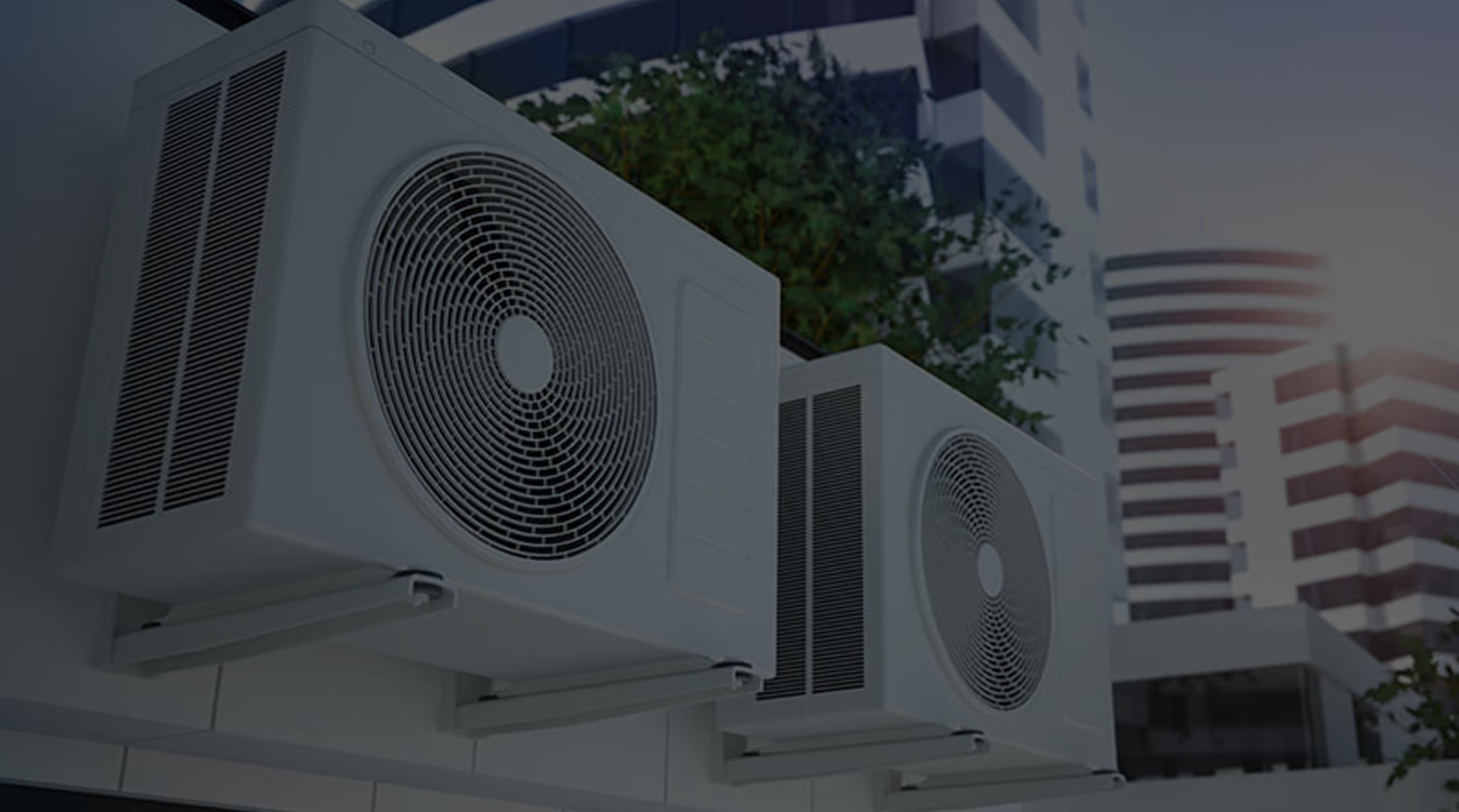
Mini Split Maintenance in Redwood City, CA
Keep your mini split system performing at its best with seasonal maintenance services designed for Redwood City homes by Plum HVAC. Our service includes comprehensive diagnostics, filter and coil cleaning, refrigerant and electrical checks, performance verification, and detailed reporting. Homeowners also receive guidance on recommended service intervals, home preparation tips, and the benefits of proactive maintenance, such as cost savings, improved reliability, and minimized unexpected breakdowns. Tailored to coastal California conditions, these preventative plans help preserve comfort and efficiency year-round.
.jpeg)
Mini Split Maintenance in Redwood City, CA
Keeping mini split systems running efficiently is essential for Redwood City homes. With coastal fog, seasonal humidity swings, and occasional hot summer days, mini splits provide targeted comfort year round. Regular maintenance reduces energy use, extends equipment life, and lowers the risk of inconvenient breakdowns. This page explains what a professional mini split maintenance service includes, common system issues in Redwood City, recommended service intervals, and the value of preventative maintenance plans tailored to local conditions.
Why routine mini split maintenance matters in Redwood City
Redwood City experiences a mild Mediterranean climate with marine layers, occasional high humidity, and pollen seasons. These conditions create specific stresses on mini split systems:
- Coastal moisture and salt air can accelerate corrosion on outdoor units and electrical connections.
- Pollen, dust, and neighborhood landscaping can clog filters and coils faster during spring and fall.
- Temperature swings between cool mornings and warm afternoons increase compressor cycling, making refrigerant and electrical checks important.
Regular maintenance addresses these local factors and keeps your mini split delivering consistent comfort with lower monthly energy use.
Common mini split problems in Redwood City homes
- Restricted airflow from dirty filters or clogged indoor coils, causing reduced cooling or heating and higher energy bills.
- Refrigerant loss or leaks leading to poor performance and potential compressor damage.
- Corroded electrical connections or worn components from marine air exposure.
- Clogged condensate drains or pans that cause water leaks or mold growth in walls or ceilings.
- Inverter compressor anomalies or control errors due to irregular firmware updates or sensor drift.
- Reduced efficiency after extended periods without tune-ups, increasing operating costs.
What a seasonal tune up includes
A comprehensive mini split maintenance visit focuses on performance, safety, and longevity. Typical tasks performed by trained technicians include:
- Visual inspection: Check indoor and outdoor units for physical damage, corrosion, mount stability, and pest activity.
- Filter service: Clean or replace filters, and inspect reusable filters for wear. Advise on filter types that best suit local air quality.
- Coil cleaning: Clean indoor evaporator coils and outdoor condenser coils to restore heat transfer efficiency.
- Refrigerant check: Measure refrigerant pressures and temperatures to confirm proper charge and look for signs of leaks. Note: refrigerant adjustments are performed by certified technicians only.
- Electrical inspection: Test wiring, terminal tightness, capacitors, contactors, and safety controls for safe, reliable operation in a salt-air environment.
- Airflow and blower testing: Measure airflow and blower performance to identify ductless indoor fan issues or blockage.
- Drain and condensate cleaning: Clear drain lines, inspect condensate pans, and treat for biological growth to prevent clogs and leaks.
- System controls and sensors: Verify thermostat settings, remote controls, communication between indoor and outdoor units, and check sensor calibration.
- Performance verification: Run the system through cooling and heating cycles as appropriate and log operating temperatures, pressures, and cycle behavior.
- Maintenance report: Provide a clear summary of findings, recommended repairs, and expected outcomes.
Diagnostic details explained simply
- Refrigerant level checks measure pressure and temperature to ensure the system can transfer heat efficiently. Low refrigerant reduces performance and strains the compressor.
- Coil cleaning restores airflow through the heat exchanger. Dirty coils act like insulation and reduce capacity.
- Electrical inspections prevent failures caused by loose connections or corroded terminals, which are more likely near the Bay.
- Airflow and blower testing confirm that the indoor unit moves the designed volume of air. Reduced airflow causes uneven comfort and higher energy consumption.
All refrigerant handling and major electrical work should be performed by licensed and certified technicians for safety and compliance.
Recommended service intervals for Redwood City
- Twice a year is ideal for most Redwood City homes: a spring tune up focused on cooling readiness and a fall check for heating performance and winter corrosion protection.
- Quarterly basic checks for high-use systems or properties with pets, heavy pollen exposure, or proximity to the Bay may be beneficial.
- Filters should be checked monthly and cleaned or replaced every 1 to 3 months depending on filter type and household conditions.
Preventative maintenance plans (what they typically include)
Maintenance plans provide predictable upkeep and priority scheduling without needing to remember service dates. Typical plan features:
- Two scheduled seasonal tune ups per year with detailed inspection and cleaning.
- Priority booking during peak seasons.
- Discounted diagnostic labor or repair parts.
- Service history tracking and recommendations for HVAC component replacement before failure.
- Advice on filter selection and simple homeowner maintenance tasks.
These plans focus on reducing emergency repairs and stabilizing operating costs over the long term.
Benefits of regular mini split maintenance
- Improved energy efficiency and lower utility costs through clean coils, proper refrigerant levels, and correct airflow.
- Increased equipment lifespan by reducing mechanical stress on the compressor and motors.
- Fewer unexpected breakdowns and less intrusive repairs.
- Better indoor air quality by keeping filters and coils clean, important during Redwood City pollen seasons.
- Safer operation through electrical inspections and condensate management.
Homeowner checklist before service
Prepare for a maintenance visit by completing a few simple tasks:
- Clear access to indoor and outdoor units, removing obstacles or debris.
- Note any unusual noises, odors, or performance issues and the times they occur.
- Have filter replacement or washable filter location accessible.
- Record basic system information if available: make, model, and age of indoor and outdoor units.
Signs you need service now
- Noticeable decline in cooling or heating performance.
- Water leaks or visible condensate around indoor units.
- New or worsening noises such as rattling, buzzing, or grinding.
- Persistent musty odors when the unit runs.
- Rapid increases in monthly energy use without a change in usage habits.
Regular mini split maintenance in Redwood City, CA protects your comfort and investment. Scheduled tune ups, proper filter care, refrigerant and electrical inspections, and attention to local environmental factors keep systems running efficiently and reliably through the seasons.
hear what our satisfied clients have to say

.svg)
Service areas
.avif)