
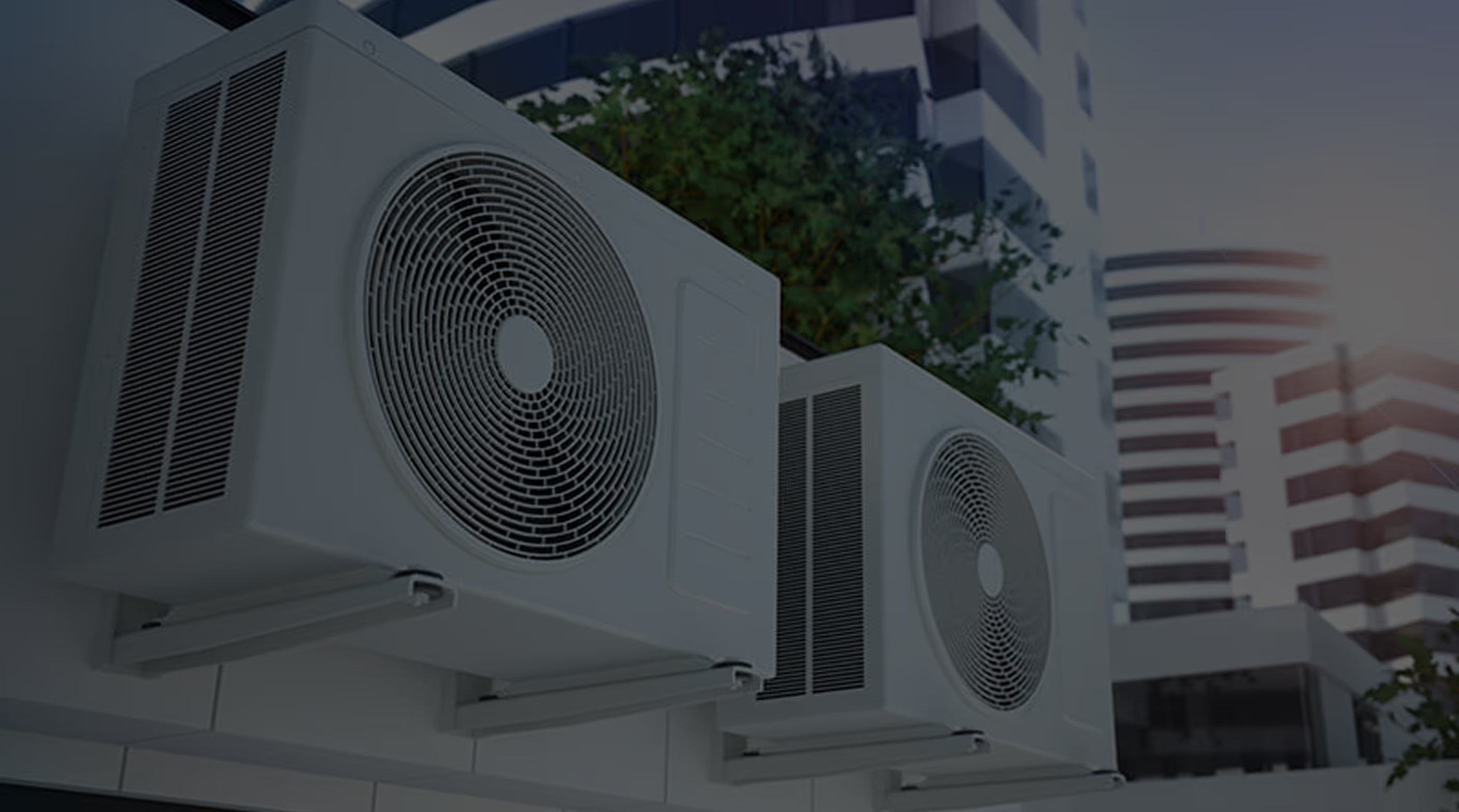
Mini Split Maintenance in San Jose, CA
Plum HVAC offers comprehensive mini split maintenance in San Jose, including seasonal inspections, recommended service frequency, and attention to common regional issues. Our diagnostic process ensures that systems operate efficiently, extending equipment life and maintaining comfort during hot summers. Our maintenance plans—Basic, Comprehensive, and Premium—offer tailored service options, with clearly defined tasks and customization possibilities. Homeowners learn what to expect from enrollment, scheduling procedures, and how routine care minimizes unexpected issues while protecting warranties and resale value.
-min.jpeg)
Mini Split Maintenance in San Jose, CA
Keeping your mini-split system well maintained is one of the most effective ways to protect comfort, control energy costs, and extend equipment life—especially in San Jose, CA, where long, warm summers put sustained demand on cooling systems. This page describes seasonal inspection tasks, recommended service frequency, common issues in the region, the diagnostic and service process, the benefits of regular maintenance, and what typical service agreements include.
Why mini split maintenance matters in San Jose, CA
San Jose’s Mediterranean climate means months of consistent cooling load. High daytime temperatures, occasional heat waves, and local dust and pollen can clog filters and stress components. Regular maintenance reduces the chance of mid-summer failures, preserves efficiency, and helps your system handle peak cooling periods without excess energy use or premature wear.
Common mini split maintenance issues in San Jose
- Dirty or clogged air filters from urban dust and seasonal pollen, reducing airflow and indoor air quality
- Reduced heat-transfer on coils due to accumulated dust and grease, lowering capacity
- Refrigerant leaks or low refrigerant charge causing poor cooling and higher compressor stress
- Restricted condensate drains, leading to water leaks or mold risk in indoor units
- Loose electrical connections and failing capacitors after repeated thermal cycling
- Outdoor unit corrosion or debris buildup affecting condensers and fans
- Control or remote sensor issues that lead to short cycles or incorrect temperature readings
Recommended maintenance frequency
- Standard recommendation: At minimum, twice a year—once before the cooling season (spring) and once after peak use (fall). These seasonal inspections align with increased use patterns in San Jose and help prepare the system before and after heavy workload.
- High-use or hard-to-reach units: Quarterly checks for systems that run nearly continuously, serve critical comfort zones, or operate in dusty or coastal areas.
- Older systems or warranty-managed equipment: Follow manufacturer guidance; older systems often benefit from more frequent attention to detect wear early.
Seasonal inspection tasks (what’s checked and why)
A comprehensive mini split maintenance visit includes visual checks, cleaning, measurement, and basic repairs to preserve performance:
- Air filter cleaning/replacement: Remove, clean, or replace filters. Clean filters reduce energy use, improve air quality, and maintain airflow.
- Indoor coil cleaning: Inspect and remove dust from evaporator coils to restore heat exchange efficiency.
- Outdoor coil and condenser cleaning: Clear debris, leaves, and dust from the outdoor unit to maintain airflow and cooling capacity.
- Refrigerant level and leak check: Measure system pressures, compare to manufacturer specs, and inspect for signs of leaks. Low refrigerant reduces cooling and stresses the compressor.
- Electrical inspection: Tighten connections, inspect contactors, capacitors, and fuses for wear, and verify safe operation.
- Fan and motor evaluation: Check indoor and outdoor fan operation and bearings for noise or restricted movement.
- Condensate drain inspection and cleaning: Ensure proper drainage and remove blockages that cause overflow or mold growth.
- Controls and thermostat verification: Confirm sensors, remotes, or wall controllers read and respond accurately; test modes (cool/heat/fan).
- Airflow measurement and system performance test: Measure airflow and verify system reaches expected temperatures and cycles correctly.
- Documentation and recommendations: Create a maintenance record noting system condition, any corrective actions taken, and suggestions for future service.
Diagnostic process — how technicians evaluate your system
Technicians follow a structured diagnostic sequence to isolate problems and confirm system health:
- Review system history and recent performance notes (if available).
- Conduct a visual and audible inspection of indoor and outdoor units.
- Measure electrical parameters (voltage, amperage) and test components under load.
- Check refrigerant pressures and superheat/subcooling as applicable.
- Inspect and clean coils, filters, and drain lines as needed.
- Run the system through multiple cycles to assess temperature differentials and responsiveness.
- Provide a written baseline report with findings, prioritized recommendations, and estimated next steps for repairs or follow-up monitoring.
Service agreements and what they typically include
Maintenance programs for mini-splits commonly offer tiered coverage to match homeowner needs:
- Basic Maintenance Plan
- Seasonal inspection and filter cleaning or replacement
- Basic coil and drain checks
- Written maintenance record after each visit
- Comprehensive Maintenance Plan
- All basic tasks plus refrigerant pressure checks
- Electrical tightening and component testing
- Priority seasonal scheduling windows
- Discounted labor rates for repairs identified during visits
- Premium/Full-Coverage Plan
- Comprehensive tasks plus annual performance testing
- Parts allowance or reduced parts pricing for common components
- System health reports and long-term performance tracking
- Scheduled preventative replacements for high-failure items
Each plan can be customized based on system age, number of indoor heads, and the homeowner’s comfort priorities. Documentation produced during each visit supports warranty compliance and resale value by proving routine care.
Benefits of regular mini split maintenance
- Improved energy efficiency: Clean filters and coils, correct refrigerant charge, and tight electrical connections help the system run less expensively and more consistently.
- Longer equipment life: Identifying small issues early reduces compressor stress and lowers the rate of component failure.
- Better comfort and air quality: Proper airflow and clean components maintain even temperatures and reduce dust or mold circulation.
- Fewer emergency repairs: Preventative service addresses wear items before they cause breakdowns during peak season.
- Record keeping for warranties: Regular, documented maintenance often fulfills manufacturer warranty requirements and supports future service claims.
What to expect when you enroll in a recurring maintenance program
Enrollment typically involves a few straightforward steps that set the cadence for ongoing care:
- Provide system details (model, age, number of indoor units) and preferred seasonal window(s).
- Select the maintenance plan level that matches usage and desired coverage.
- An initial baseline inspection is performed to document the system condition and establish priorities.
- Recurring visits are scheduled for agreed-upon months (commonly spring and fall), with flexibility for adjustments based on performance or unexpected weather events.
- After each visit you receive a maintenance report documenting actions taken, current condition, and any recommended follow-up.
Regular, organized maintenance ensures your mini-split system in San Jose remains reliable through the long cooling season. These programs are built to reduce surprises, protect efficiency, and help you plan repairs on your timeline rather than waiting for emergency breakdowns.
hear what our satisfied clients have to say

.svg)
Service areas
.avif)