

Thermostat Installation in Stanford, CA
Expert thermostat installation in Stanford, CA guides homeowners through choosing the right model, ensuring safe wiring, and optimizing placement for year-round comfort. The page covers common thermostat types, compatibility checks, professional wiring and mounting steps, and programming strategies tailored to Stanford’s mild climate, including weekly schedules and energy-saving setpoints. It also outlines on-site demonstrations, warranty and local incentives, maintenance tips, and ongoing support to maximize comfort, efficiency, and solar coordination over the life of the system.
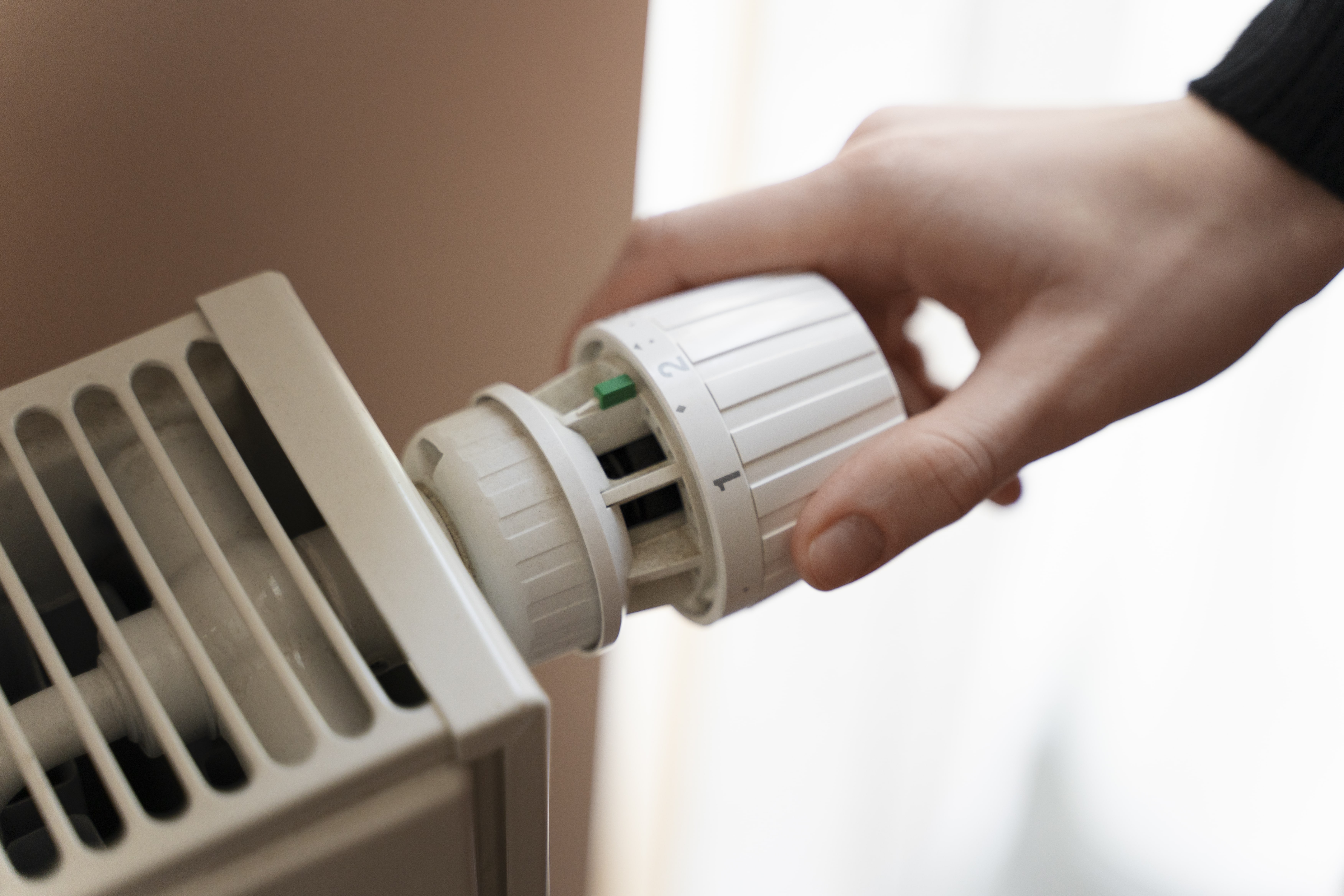
Thermostat Installation in Stanford, CA
Upgrading or replacing a thermostat is one of the fastest ways to improve comfort and reduce energy use in Stanford homes. Whether you want a simple, easy-to-use digital control or a programmable or smart thermostat that learns schedules and connects to your home network, professional thermostat installation ensures compatibility with your heating and cooling system, safe wiring, correct placement, and programming tuned to local living patterns. This page explains the options, the installation and diagnostic process, programming best practices for the Stanford climate, and ongoing support and incentive considerations so you can make an informed decision.
Common thermostat types and which work best in Stanford, CA
Stanford’s Mediterranean climate — mild, wet winters and warm, dry summers — means thermostats are used year-round for both heating and cooling. Common thermostat options include:
- Basic digital thermostats: Simple temperature display and manual or basic programmable schedules. Good for homeowners who want reliable control without connectivity.
- 7-day programmable thermostats: Let you set separate weekday and weekend schedules or full weekly programming to automatically adjust comfort and savings.
- Smart thermostats: Wi-Fi enabled, app-controlled, often with learning or adaptive scheduling, geofencing, and energy reporting. Useful in Stanford homes that want remote control, integration with smart home systems, or better alignment with solar production.
- Heat-pump compatible thermostats: Necessary for homes using heat pumps (increasingly common in Bay Area electrification retrofits).
- Line-voltage and millivolt thermostats: Required for older electric baseboard or some hydronic systems; these require specialist installation.
Which to choose depends on your HVAC type, lifestyle, and whether you want features like app control, energy reports, or compatibility with solar and home automation.
Compatibility checks — what we verify before installation
Installing the wrong thermostat or wiring it incorrectly creates comfort problems and can damage equipment. Key compatibility checks include:
- System voltage and type: 24V control systems (most forced-air furnaces and central AC), line-voltage systems (electric baseboard), millivolt systems (some older hydronic controls), and heat pumps.
- Presence of a C-wire (common): Many smart thermostats need a continuous 24V power reference. If there is no C-wire, options include installing a new common conductor, using a power extender kit, or choosing a thermostat that works without a C-wire.
- Multi-stage and zone systems: Multi-stage compressors, variable-speed air handlers, and zoned HVAC require thermostats that can communicate the correct staging and fan control.
- HVAC age and control board features: Older control boards or proprietary interfaces may need adapters or professional configuration.
- Integration needs: Solar inverters, home energy management, and smart home hubs that you may want the thermostat to communicate with.
A professional check prevents wasted time and ensures you get the features you expect.
Professional wiring and mounting procedures
A reliable installation follows safety and performance best practices:
- Power isolation: Turn off HVAC power at the breaker and verify with a meter to avoid shorts or equipment damage.
- Wire labeling and mapping: Identify and label each conductor at both the thermostat and furnace/air handler so the new device is wired correctly.
- Verify terminal functions: Confirm R, C, W, Y, G, O/B, etc., and test voltages before connecting the new thermostat.
- Secure mounting and location assessment: Install the thermostat on an interior wall, away from direct sunlight, drafts, kitchens, or heat-producing electronics. In Stanford homes, avoid west-facing walls that may get strong afternoon sun.
- Properly terminate and secure wires: Use strain relief, tuck wiring cleanly behind the plate, and ensure there are no exposed conductors.
- Adapters and transformers: If your system needs a 24V transformer or a relay for line-voltage control, install appropriate isolation devices per code and manufacturer instructions.
- System startup and verification: After installation, run heating and cooling cycles to confirm correct staging, reversing valve operation (for heat pumps), and fan control.
These steps reduce callbacks, prevent short cycling, and ensure the thermostat reads and controls the indoor environment accurately.
Programming and settings optimized for Stanford living
Programming a thermostat to match local weather patterns saves energy without sacrificing comfort:
- Use weekly schedules that match occupancy: Stanford’s mild evenings often allow lower cooling needs overnight. Set slightly wider temperature ranges when the home is unoccupied.
- Night setbacks and natural ventilation: Take advantage of cool coastal breezes by programming setbacks and using fan-only modes or natural ventilation when conditions permit.
- Humidity consideration: Humidity is not usually extreme, but occasional marine layer or heat waves may require dehumidification settings if your system supports it.
- Adaptive and learning features: Smart thermostats that adapt to your routine can optimize comfort and avoid unnecessary runtime while tracking energy use month to month.
- Vacation and geo-fence modes: Use a vacation schedule for extended absences and geofencing for automatic adjustments when everyone leaves or returns.
- Solar coordination: If your home has solar, you can schedule heavier cooling during midday when production is highest (if your inverter and thermostat support such coordination).
Practical setpoint guidance: modest setbacks of 4-7°F from occupied setpoints often produce noticeable savings without comfort loss. Avoid frequent manual overrides; program practical schedules and rely on adaptive features for fine-tuning.
Demonstration and homeowner training
Professional installation should include an on-site demonstration and simple training:
- Walkthrough of basic controls and schedules.
- App pairing and account setup for Wi-Fi models.
- How to manually override schedules and use temporary hold vs permanent changes.
- Basic troubleshooting steps: checking power, replacing batteries, and ensuring Wi-Fi connectivity for smart devices.
- Tips specific to Stanford homes: how to use night cooling, when to rely on natural ventilation, and when to use HVAC for dehumidification.
This hands-on orientation ensures you and your household can confidently use the new thermostat to its full potential.
Warranty, support options, and local incentives
Most thermostats come with manufacturer warranties; professional installers often provide limited workmanship guarantees and can offer ongoing support plans for priority diagnostics and seasonal checkups. In Stanford and Santa Clara County, there may also be local utility rebates, state incentives, or energy-efficiency programs that apply to qualifying thermostats and installations. A professional installer can help identify available incentives and document the install for rebate applications.
Common issues and maintenance tips
Watch for these frequent problems and remedies:
- Blank display or unresponsive controls: Check breaker, furnace switch, and C-wire power.
- Thermostat not calling for heat or cool: Verify wiring, staging configuration, and that the thermostat matches system type.
- Short cycling or system running too long: Check thermostat placement, deadband settings, and system diagnostics.
- Inaccurate temperature reading: Ensure the thermostat is on an interior wall away from heat sources and consider calibration or relocation.
Regular HVAC maintenance, periodic thermostat firmware updates (for smart units), and recalibration checks help keep performance consistent.
Benefits summary
Proper thermostat selection and professional installation deliver more consistent comfort, smoother system operation, lower energy bills, and better integration with modern home energy systems. For Stanford homes, a correctly installed and programmed thermostat leverages mild night temperatures, solar production, and modern control features to improve comfort while minimizing energy use. Regular support and awareness of local incentives further maximize value over time.
hear what our satisfied clients have to say

.svg)
Service areas
.avif)