

Heating Tune-up in Stanford, CA
For Stanford, CA homeowners, a professional heating tune-up with Plum HVAC means a comprehensive, end-to-end service designed for your peace of mind. Our detailed process includes inspecting your filters, conducting essential combustion and safety tests, calibrating your thermostat for optimal comfort, checking airflow, inspecting your motor, and verifying ignition and electrical safety. We also perform thorough performance testing and meticulous system cleaning. You can typically expect our Plum HVAC technicians to be on-site for 45–90 minutes. During that time, we'll identify common local issues, walk you through our diagnostic process, highlight our safety and efficiency tests, and explain all the benefits of regular maintenance. We'll also advise you on recommended annual scheduling, the best seasonal timing, and precisely what to expect when we arrive for service.
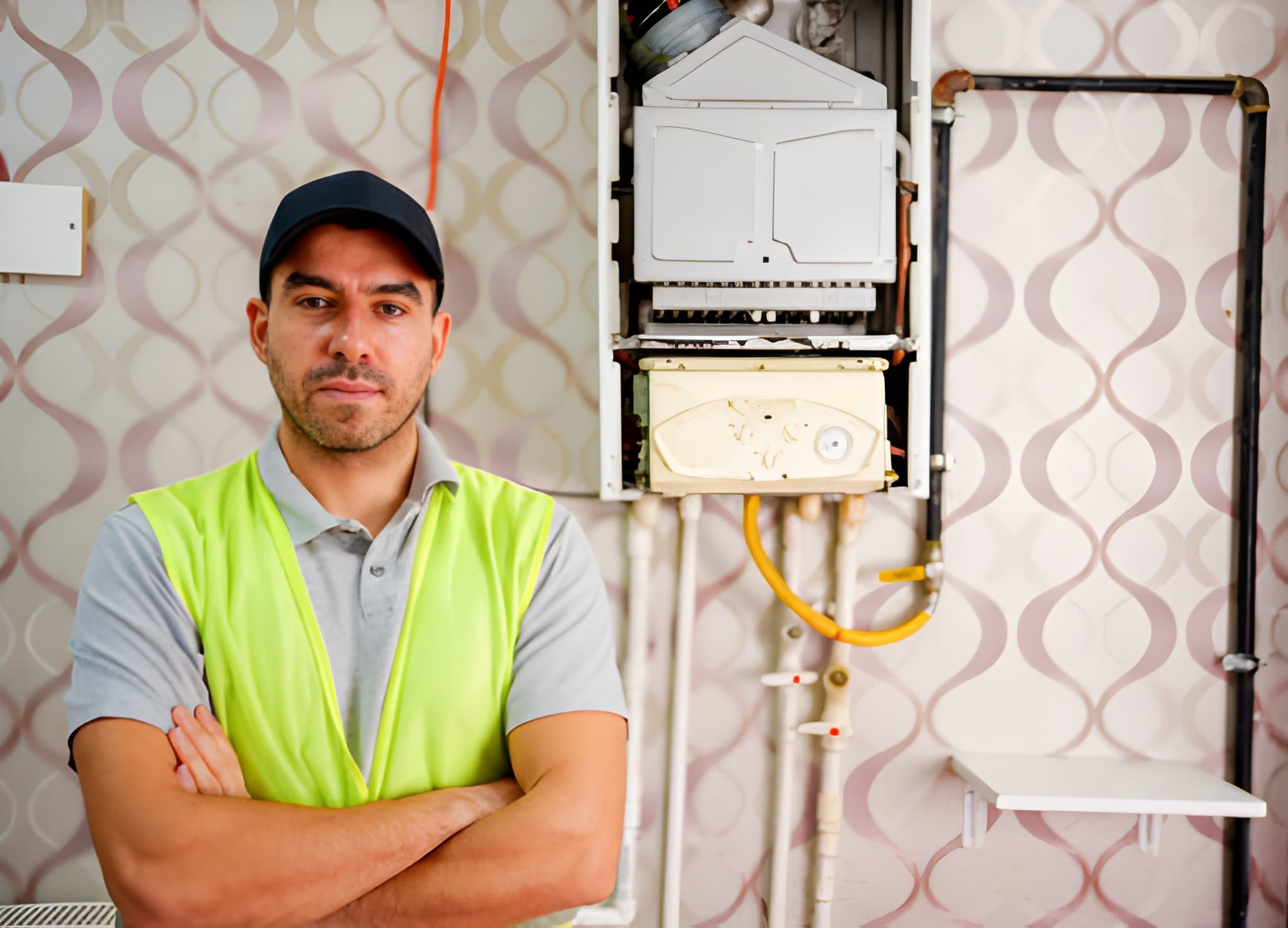
Heating Tune-up in Stanford, CA
A professional heating tune-up in Stanford, CA keeps your home comfortable, lowers the risk of mid-season breakdowns, and helps systems run more efficiently during the cooler months. Even though Stanford winters are mild compared with inland Northern California, coastal fog and nighttime lows mean many homes rely on reliable heating. A focused tune-up addresses safety and performance issues common to local homes and is the best way to avoid emergency repairs when temperatures drop.
What a Complete Heating Tune-up Includes
A thorough tune-up covers the system end to end. Typical tasks performed during a tune-up include:
- Filter inspection and replacement: Verify filter type and condition; replace or recommend higher-efficiency filters for improved indoor air quality.
- Combustion and safety tests (for gas furnaces): Measure combustion efficiency, check flame pattern, test for carbon monoxide and proper venting, and inspect the heat exchanger for cracks or corrosion.
- Thermostat calibration: Confirm temperature accuracy and proper communication with the heating system; adjust settings and schedule programming if needed.
- Airflow and duct checks: Measure airflow, inspect visible ductwork for disconnections or leaks, and look for restricted vents or return obstructions.
- Blower and motor inspection: Clean and lubricate blower components, check belts and bearings, and verify motor operation and amperage draw.
- Ignition system and gas valve checks: Confirm reliable ignition sequence and safe gas valve operation.
- Electrical safety and controls: Inspect wiring, relays, safety switches, and fuses for wear or failure points.
- Efficiency and performance testing: Record temperature rise across the heat exchanger, measure static pressure, and benchmark system performance against manufacturer specifications.
- System cleanliness and minor component servicing: Remove dust and debris, clear condensate drains (for high-efficiency furnaces), and tighten accessible fasteners.
Typical on-site time for a tune-up ranges from about 45 minutes for a simple inspection to 90 minutes for a full combustion analysis and duct checks, depending on system complexity and accessibility.
Common Heating Tune-up Issues in Stanford, CA Homes
Local climate, home construction, and aging systems create predictable issues:
- Clogged or underspecified filters and restricted airflow from compact Stanford homes or high-efficiency retrofit projects.
- Intermittent thermostat errors or mis-calibration after smart-thermostat installations.
- Minor corrosion or venting restrictions in homes near the Bay that experience salt-laden air and seasonal fog.
- Reduced combustion efficiency or small cracks in older furnace heat exchangers that need early detection.
- Dirty burners or ignition problems in less frequently used systems that sit idle most of the year.
Recognizing these issues during a tune-up prevents energy waste, reduces carbon monoxide risk, and keeps systems operating near design efficiency.
Diagnostic Process — What Technicians Check and Why
A systematic diagnostic approach ensures nothing important is missed:
- Visual inspection of the unit and surrounding area for rust, leaks, or rodent activity.
- Replace or test the air filter and check airflow at returns and registers.
- Verify thermostat settings and operation; perform a calibration check against a reference thermometer.
- For gas systems: perform combustion analysis to verify proper fuel-air ratio, venting draft, and check for CO levels; visually inspect the heat exchanger.
- Test electrical components, safeties, and control sequences.
- Measure temperature rise and compare to manufacturer specs to confirm heat transfer is within target range.
- Evaluate static pressure and duct performance; identify obvious duct leaks or obstructions.
Each diagnostic step isolates performance-limiting issues and guides recommended repairs or adjustments.
Safety and Efficiency Tests Explained
- Combustion Analysis: Measures oxygen, carbon monoxide, and combustion efficiency to ensure safe and efficient fuel use. In Stanford homes with older gas equipment, this test is critical for early detection of unsafe conditions.
- Heat Exchanger Inspection: Checks for visible cracks or corrosion. A compromised heat exchanger can allow combustion gases into the living space.
- CO Testing: Confirms there is no harmful accumulation of carbon monoxide inside or near the appliance and that venting is effective.
- Airflow and Static Pressure Testing: Ensures your blower and ducts are delivering the correct volume of air. Restricted airflow reduces efficiency and can cause overheating or short cycling.
- Thermostat Accuracy Check: Miscalibrated controls lead to comfort complaints and wasted run time; recalibration improves comfort without changing your habits.
Benefits of Regular Heating Tune-ups
- Improved reliability and fewer emergency repairs during cold nights.
- Better energy efficiency and more even heating across rooms.
- Extended equipment life by reducing wear on motors, burners, and controls.
- Improved indoor air quality through filter changes and duct inspection.
- Safer operation by catching combustion and venting problems early.
- Compliance with warranty requirements for many furnace manufacturers that require annual maintenance.
Recommended Frequency and Seasonal Timing
For most Stanford homes, an annual heating tune-up scheduled in late summer or early fall is ideal. This timing ensures the system is checked and serviced before seasonal use ramps up. Homes with:
- Older equipment (10+ years), frequent cycling, or known issues may benefit from semi-annual checks.
- Heat pumps or ductless systems require specialized tune-ups timed to address both heating and cooling seasons; a biannual inspection (spring and fall) is common for dual-purpose systems.
What to Expect on Service Day
- A technician will perform the diagnostic checklist and document findings. Expect the visit to last 45–90 minutes depending on system type.
- Homeowners should ensure clear access to the furnace, thermostat, and main return vent. Secure pets and clear clutter near mechanical closets for safety.
- The technician will explain any recommended repairs or adjustments in plain language and note components that may require attention in the near term.
Local Considerations for Stanford, CA
Stanford’s mild but sometimes damp winters and proximity to the Bay mean systems that sit idle for months can develop dust buildup, minor corrosion, or thermostat drift. Homes with energy-efficiency retrofits or upgraded building envelopes may see different airflow dynamics, so tune-ups often include specific recommendations for filter upgrades or duct sealing to match the improved envelope. Older homes on campus or nearby neighborhoods can have ductwork in tight crawlspaces; focused duct checks during a tune-up help locate leaks or insulation gaps that affect heating performance.
Regular, expert tune-ups are the best preventive measure to keep your heating system safe, efficient, and ready for Stanford’s cooler nights. Routine maintenance protects both comfort and equipment value while addressing the safety checks that matter most for gas-burning systems.
hear what our satisfied clients have to say

.svg)
Service areas
.avif)