

Heating Maintenance in Stanford, CA
Heating maintenance in Stanford, CA, provides homeowners with a clear, step-by-step view of seasonal tune-ups, thorough diagnostic checks, and preventative care designed to protect comfort and efficiency. We explain common system issues, our standard Plum HVAC maintenance checklist, and our diagnostic process, including rigorous safety tests, airflow assessments, meticulous filter care, and refrigerant checks. We highlight recommended service intervals, the significant benefits of preventative maintenance, and how our maintenance agreements offer priority scheduling, documented reports, and crucial cost-saving protections over time. This summary helps homeowners plan proactive care confidently.
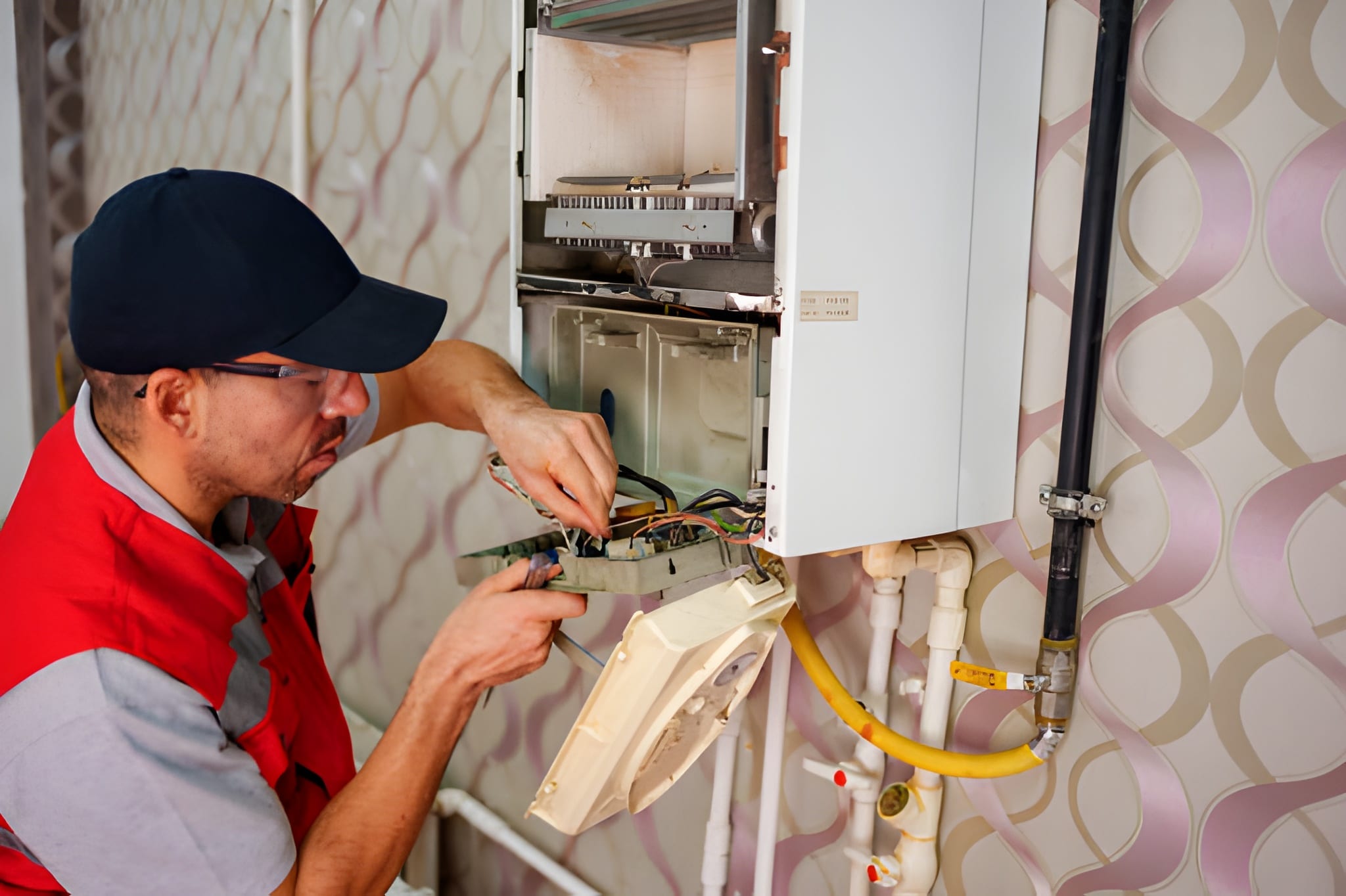
Heating Maintenance in Stanford, CA
Keeping your heating system tuned and safe is essential for comfort, efficiency, and equipment longevity in Stanford, CA homes. Routine heating maintenance and seasonal tune-ups identify small problems before they become emergency repairs, optimize performance during the cooler months, and protect indoor air quality for households that often combine home office use and high expectations for comfort. This page explains what a professional heating maintenance program covers, common issues in the Stanford area, the typical diagnostic and service process, recommended intervals, and the benefits of preventative care and maintenance agreements.
Why regular heating maintenance matters in Stanford, CA
- Stanford sees mild winters but occasional cold snaps and marine layer humidity that can stress systems that have sat idle all summer.
- Many local homes use heat pumps, high-efficiency furnaces, or radiant systems; each requires consistent care to retain efficiency and reliability.
- Preventative maintenance reduces the risk of mid-season breakdowns, lowers energy costs, and helps maintain good indoor air quality for families and home-based workers.
What a standard heating maintenance tune-up includes
A full seasonal heating tune-up is a systematic inspection, cleaning, testing, and adjustment of your system. Key items in the inspection checklist:
- Air filters: inspect and replace or recommend proper MERV rating and replacement interval.
- Burners and combustion components: clean burners, inspect ignition system, check pilot or electronic ignition.
- Coils and heat exchangers: clean evaporator/condenser coils (for heat pump systems) and inspect heat exchanger for cracks or corrosion.
- Electrical connections and controls: tighten terminals, test capacitors, relays, and fuses; verify thermostat operation and calibration.
- Blower motor and fan assembly: clean blower wheel, lubricate bearings as required, measure motor amp draw.
- Ductwork and airflow: visually inspect accessible ducts, measure airflow, and diagnose obstructions or imbalances.
- Venting and flue systems: check for proper draft, blockages, and connection integrity for gas-fired equipment.
- Safety checks: carbon monoxide test, combustion efficiency test, gas leak check, limit switch and safety control operation.
- Drains and condensate systems: clear condensate drains and pans to prevent mold and water damage on heat pump or high-efficiency furnace systems.
Cleaning, adjustments, and efficiency optimization
During a tune-up technicians perform targeted cleaning and adjustments that restore performance:
- Clean burners, pilot assemblies, flame sensors, coils, and blower wheels to improve combustion and airflow.
- Replace or recommend filter upgrades to improve air quality and system efficiency.
- Calibrate thermostats and controls for accurate temperature control.
- Balance airflow and adjust dampers or fan speeds to eliminate cold spots.
- Verify refrigerant charge and repair leaks on heat pumps to regain rated efficiency.These steps not only restore factory performance but also reduce energy waste, which matters in Stanford’s energy-conscious community.
Diagnostic process: what professionals do and what you’ll receive
A typical maintenance visit follows these diagnostic steps:
- Review system history, recent performance, and homeowner concerns.
- Perform a full visual inspection and safety tests before powering the system.
- Replace filters and clean components that restrict airflow and combustion.
- Start the system and measure operating parameters: temperatures, pressures, amperage draw, and combustion efficiency or refrigerant pressures.
- Record observed issues and recommended repairs, including estimated impact on efficiency and safety.
- Provide a clear service report with prioritized recommendations and expected next steps.This documented approach creates a baseline to track system health year over year.
Common heating maintenance issues in Stanford homes
- Reduced airflow from clogged filters or dirty blower wheels after long idle periods.
- Refrigerant leaks or undercharge in heat pumps following heavy summer use for cooling.
- Corrosion or premature wear on outdoor units exposed to bay moisture and occasional salt air.
- Thermostat calibration drift causing short cycling or uneven heating.
- Blocked condensate drains or pans leading to water damage or mold in tight, energy-efficient homes.
Recommended maintenance intervals
- Furnaces and boilers: annual heating tune-up before the heating season (typically September to November).
- Heat pumps and hybrid systems: semiannual checks (spring and fall) because units handle both heating and cooling.
- Air filters: inspect monthly; replace every 1 to 3 months depending on filter type, household pets, and indoor air quality needs.
- Older systems (10 years+): consider biannual inspections to monitor degradation and safety risks.Regular, scheduled service helps avoid surprise repairs during colder stretches.
Benefits of preventative heating maintenance and maintenance agreements
Preventative care delivers measurable advantages for Stanford homeowners:
- Improved reliability and fewer emergency repairs during cold snaps.
- Lower utility costs through restored efficiency and proper refrigerant and fuel combustion settings.
- Longer equipment life and more predictable replacement planning.
- Safer operation with verified carbon monoxide and gas safety checks.Maintenance agreements expand those benefits into programmatic protections:
- Priority scheduling during peak season and guaranteed service windows.
- Regularly scheduled tune-ups with documented reports to maintain warranty compliance.
- Discounts on diagnostic fees or parts for repairs discovered during maintenance.
- Automatic reminders and a consistent service record that helps with resale value or system upgrades.These agreements are structured to reduce homeowner oversight and ensure consistent system care.
Quick homeowner checklist: signs you need immediate service
- Yellow pilot flame on gas units or persistent burner misfires.
- Unusual odors when the system starts or operates.
- Noticeable rise in heating bills without increased usage.
- Uneven temperature from room to room or frequent short cycling.
- Alarms indicating carbon monoxide or repeated safety lockouts.
Seasonal heating maintenance in Stanford, CA protects comfort, safety, and efficiency. Regular tune-ups tailored to local climate influences and your specific system type keep your heating system running quietly and reliably through the cooler months while reducing long-term operating costs and extending equipment life.
hear what our satisfied clients have to say

.svg)
Service areas
.avif)