
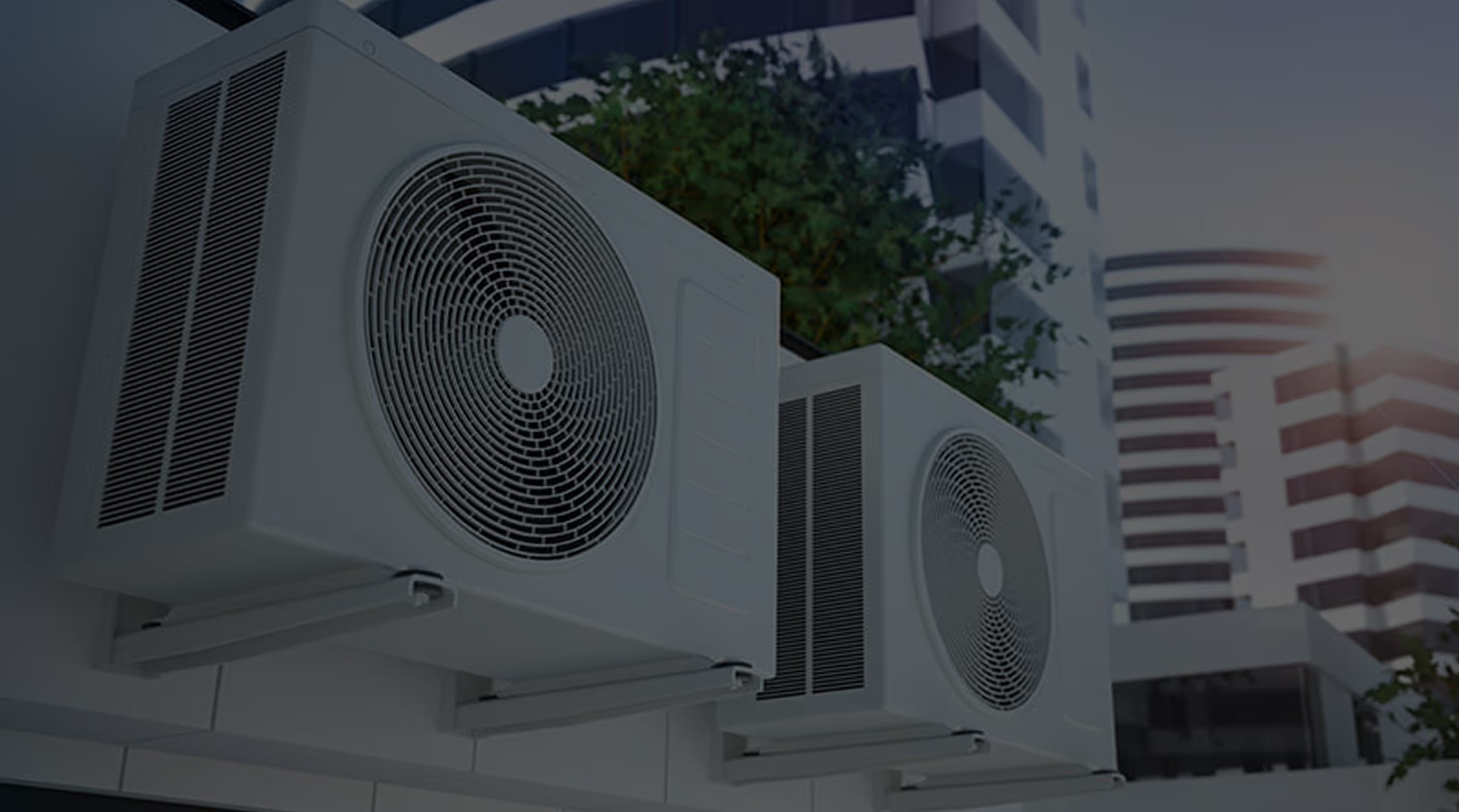
Heating Installation in Stanford, CA
Considering heating installation in Stanford, CA? Our guide explains the full Plum HVAC process, from your initial consultation to post-installation support, helping homeowners choose the perfect system for optimal comfort, efficiency, and electrification goals. We cover various system types (furnaces, heat pumps, ductless mini-splits, hybrids), professional sizing using Manual J and D methods, expert equipment selection, and a meticulous step-by-step installation sequence. We also outline rigorous testing, necessary inspections, clear warranty topics, practical maintenance tips, and adherence to local code compliance to ensure safe, reliable operation and significant long-term energy cost savings.
-min.jpeg)
Heating Installation in Stanford, CA
Upgrading or installing a new heating system is one of the most important investments you can make for year-round comfort and energy efficiency in Stanford, CA homes. Whether your current furnace is aging, you want to switch to a low-carbon heat pump, or you need a ductless option for an addition, a properly planned and executed heating installation ensures reliable warmth, lower operating costs, and compliance with local building rules. This page explains the full heating installation process — from the first consultation to post-installation support — so you know exactly what to expect and can make an informed decision.
Why heating installation matters in Stanford, CA
Stanford’s Mediterranean climate generally means mild winters, but foggy nights and occasional cold snaps make dependable heating important. Modern heating options, particularly heat pumps, are especially well-suited to the Bay Area because they deliver efficient heating and can often provide cooling as well. Proper system sizing and installation are essential in this region to avoid short cycling, uneven rooms, or excessive energy use. Local building departments and energy codes also require specific compliance and inspections, so professional installation protects you from delays and rework.
Common heating installation types and when to choose them
- Furnaces (gas or electric): Best for homes with existing ductwork and a preference for traditional heating. Gas furnaces deliver strong heat quickly; electric furnaces are simpler but can cost more to operate depending on electricity rates.
- Heat pumps (air-source or cold-climate): Excellent for Stanford’s moderate climate. Heat pumps are energy efficient, can provide both heating and cooling, and support electrification goals for lower carbon emissions.
- Ductless mini-split systems: Ideal for older homes without ductwork, room additions, or when you want zoned comfort without major renovations.
- Hybrid systems: Combine a heat pump with an auxiliary furnace for efficient all-season performance in homes with diverse temperature needs.
Initial consultation and home assessment
A thorough heating installation begins with an on-site consultation and home assessment. Expect the technician to:
- Inspect your existing system, ductwork, insulation, and thermostat.
- Measure living spaces and note sun exposure, window types, and building orientation.
- Discuss your comfort goals, budget preferences, and any future plans (additions, electrification).
- Identify potential obstacles like limited access, structural constraints, or required electrical or gas upgrades.
This assessment forms the basis for equipment recommendations and an accurate installation plan.
System sizing and design
Correct system sizing is critical. Oversized systems cycle frequently and wear out faster; undersized systems struggle to heat your home. Professional installers perform a load calculation (industry-standard Manual J or equivalent) to determine the heating capacity your home requires. They will also evaluate duct layout (Manual D) where applicable to ensure balanced airflow.
Key sizing and design considerations for Stanford homes:
- Mild climate typically allows for smaller, high-efficiency heat pumps rather than large furnaces.
- Coastal fog and lower design temperatures affect heat pump selection.
- Ductless or zoned solutions often reduce energy use in partially conditioned homes.
Equipment selection
Equipment choices should balance performance, efficiency, longevity, and budget. During selection the installer will explain:
- Efficiency ratings (AFUE for furnaces, HSPF/SEER for heat pumps).
- Sound levels and installation footprint.
- Compatibility with smart thermostats and zoning controls.
- Long-term operating costs and maintenance needs.
- Local incentives, rebates, or electrification programs that may affect payback (check with your provider for current offerings).
Professional installation steps
A quality installation follows a clear sequence to minimize disruption and ensure safety:
- Pre-install preparation: Obtain necessary permits and schedule inspections with local authorities. Protect floors and belongings.
- Removal and disposal: Safely remove the old equipment and handle refrigerant or fuel systems according to regulations.
- Rough-in and structural work: Modify or install ductwork, line sets, electrical panels, gas lines, or condensate drains as needed.
- Equipment placement and mounting: Position indoor and outdoor units for optimal airflow, service access, and noise control.
- Connections and integration: Make gas, electrical, refrigerant, and control connections. Install or configure thermostats and zoning controls.
- System charge and startup: Correct refrigerant charge and airflow adjustments to factory and field specifications.
Throughout installation, licensed technicians follow manufacturer guidelines and local building codes to ensure safety and long-term performance.
Testing, commissioning, and inspections
Testing and commissioning verify the system runs correctly and efficiently before handover. Key checks include:
- Verifying thermostat communication and setpoint behavior.
- Measuring supply and return temperatures, pressures, and airflow.
- Confirming proper refrigerant charge and electrical load.
- Checking safety devices, flueing (for combustion systems), and condensate management.
After commissioning, the installer coordinates code compliance inspections required by local building departments. Passing these inspections documents that your new system meets Santa Clara County and California energy requirements.
Post-installation support and customer education
A professional heating installation includes clear instruction and post-installation support:
- Review of thermostat programming, zoning controls, and recommended setpoints to maximize comfort and efficiency.
- Demonstration of routine maintenance tasks like filter changes, basic troubleshooting, and when to call a technician.
- Documentation of warranties, equipment model numbers, and service schedules.
- Options for ongoing maintenance plans to preserve efficiency and extend system life.
Technicians should leave you with confidence that the system is safe, efficient, and matched to your home’s needs.
Long-term benefits and maintenance tips
A properly installed heating system delivers lower energy costs, improved comfort, and fewer emergency repairs. In Stanford, switching to a heat pump or a right-sized system often reduces operating expenses and supports local electrification goals.
Maintenance tips to preserve performance:
- Replace or clean filters regularly (every 1–3 months depending on use).
- Schedule annual tune-ups for furnaces and biannual service for heat pumps.
- Keep outdoor units free of debris, vegetation, and obstructions.
- Seal and insulate accessible ductwork and ensure good attic/crawlspace insulation to reduce load.
Proper maintenance keeps the system operating at designed efficiency and helps you avoid premature replacement.
Final note on code compliance and local considerations
Heating installation in Stanford, CA must meet local building department rules, state energy standards, and possibly utility program requirements. Professional installers will manage permits, ensure compliance with California energy codes, and prepare for required inspections so your project proceeds smoothly and without unexpected delays. Well-executed design, correct sizing, and careful commissioning are the primary factors that determine your system’s long-term satisfaction and operating cost in the Stanford climate.
hear what our satisfied clients have to say

.svg)
Service areas
.avif)