

Heating Tune-up in Portola Valley, CA
For Portola Valley homes, a Plum HVAC heating tune-up is key to ensuring your system's reliability, efficiency, and safety. We proactively inspect and fine-tune all residential systems, whether you have an older furnace or a modern heat pump. Our thorough checklist covers everything: burners, ignition, airflow, gas connections, venting, and even your indoor air quality. Most visits take between 60 to 90 minutes, though larger homes might need a bit more diagnostic time. With Plum HVAC, regular maintenance means improved comfort, lower energy costs, preserved warranties, and fewer mid-season breakdowns. Plus, we'll share practical tips to help you keep your system running great between our visits.
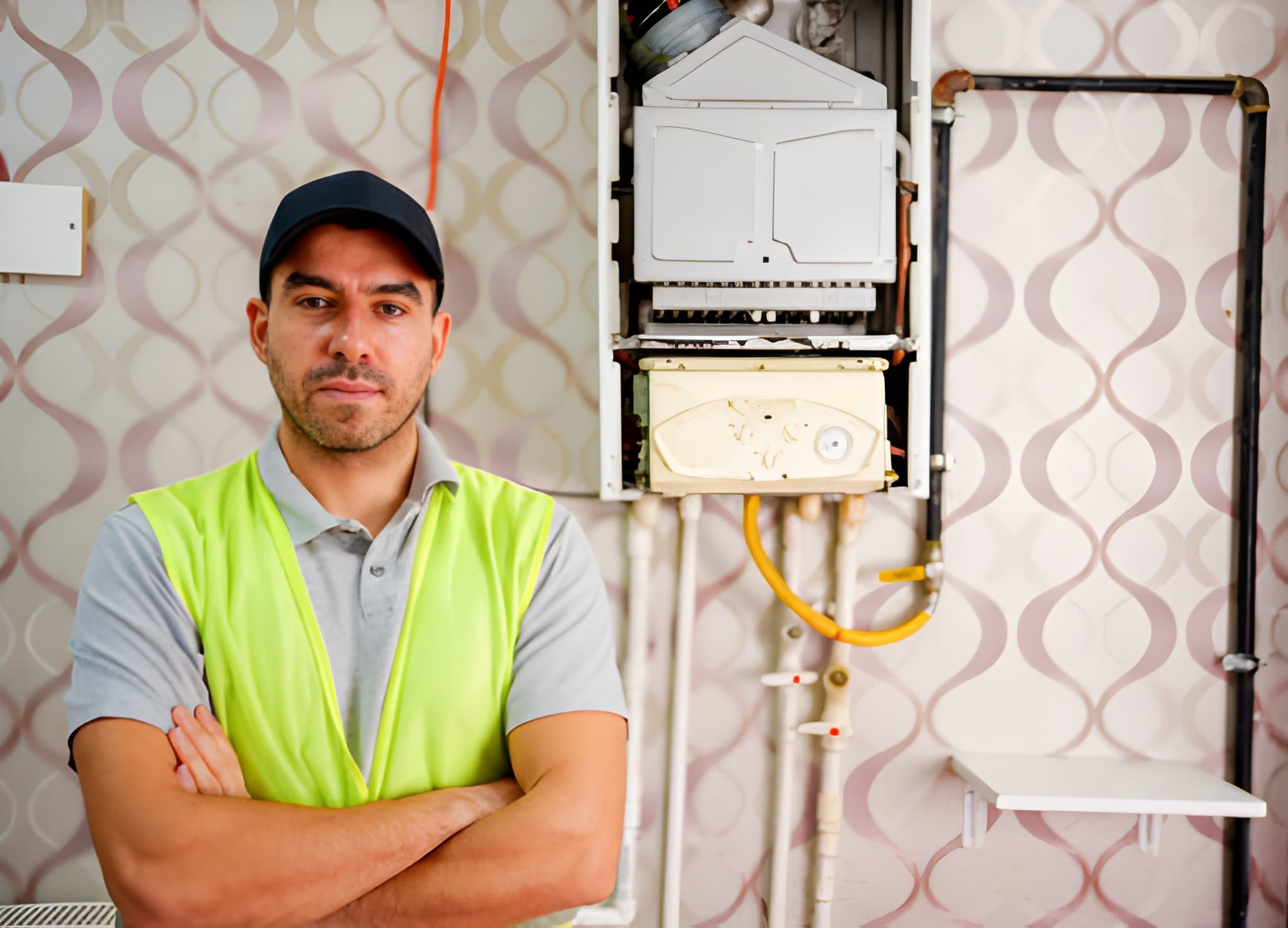
Heating Tune-up in Portola Valley, CA
Keeping your heating system tuned and ready is one of the simplest ways to protect comfort, indoor air quality, and energy bills in Portola Valley, CA. Even though winters here are milder than inland valleys, chilly nights in the hills and early morning fog make reliable heat essential. A professional heating tune-up addresses hidden problems, restores efficiency, and helps prevent inconvenient breakdowns when you need heat most.
Why a heating tune-up matters for Portola Valley homes
Portola Valley’s microclimates — cool, damp mornings, evening temperature swings, and periodic wildfire smoke — create specific stresses on heating systems. Moisture and fog accelerate corrosion on outdoor components and vents. Smoke and ash increase filter loading and can reduce airflow and indoor air quality. Many homes in the area also have a mix of older furnaces, modern heat pumps, and hybrid systems, so routine inspection ensures all system types operate safely and efficiently.
A tune-up before the heating season delivers several clear benefits:
- Restores heating performance and more even home temperatures
- Improves energy efficiency to lower monthly heating costs
- Reduces the chance of mid-season failures and emergency service calls
- Preserves manufacturer warranty requirements that often specify annual maintenance
- Identifies safety issues such as gas leaks, carbon monoxide risks, or damaged heat exchangers
Standard heating tune-up checklist
A thorough tune-up follows a consistent, verifiable checklist so nothing is missed. Typical items covered during a Heating Tune-up in Portola Valley, CA include:
- Visual inspection of the entire heating system and accessible ductwork
- Cleaning burners, heat exchanger surfaces, and coils for heat pumps
- Checking ignition systems and safety controls for reliable start-up and operation
- Calibrating and testing the thermostat for accurate temperature control
- Testing airflow, measuring supply and return temperatures, and checking duct integrity
- Inspecting and tightening gas connections or refrigerant lines as applicable
- Measuring gas pressure and performing combustion analysis on gas furnaces when needed
- Checking blower motor function, fan belts, bearings, and lubrication points
- Replacing or recommending air filters and inspecting indoor air quality components
- Verifying venting, flue condition, and carbon monoxide detection setup
- Recording baseline system performance and any recommendations
Expected time on site
Most residential heating tune-ups in Portola Valley take about 60 to 90 minutes for a single system. Time can be longer for larger homes, systems with complex zoning, or when additional diagnostics are required (for example, combustion testing or refrigerant leak detection). A well-documented visit will include the checklist results and recommended follow-up items if any repairs are needed.
What a tune-up typically fixes or prevents
Common heating tune-up issues in Portola Valley homes and how tune-ups address them:
- Poor heat output or uneven rooms: cleaning coils and checking airflow often restores capacity and balance.
- Short cycling or inefficient operation: thermostat recalibration, control checks, and verifying proper airflow correct cycling behavior.
- Noisy equipment or failing fans: inspection, lubrication, and minor adjustments reduce noise and extend blower life.
- Higher-than-normal energy bills: accumulated dirt, clogged filters, and miscalibrated controls can reduce system efficiency by 10 to 30 percent. Cleaning and tuning often returns efficiency closer to original levels.
- Safety risks with gas systems: combustion analysis and gas connection checks detect leaks, improper venting, or cracked heat exchangers before they become hazards.
- Refrigerant leaks or pressure issues on heat pumps: pressure checks and line inspections identify leaks early, preventing compressor damage.
Energy and performance improvements to expect
While exact gains depend on system condition and age, homeowners typically see measurable improvements after a tune-up:
- 5 to 20 percent better energy efficiency for systems in fair condition
- Faster recovery times after set-back periods, making heat available more quickly
- More consistent room-to-room comfort and fewer thermostatic swings
- Reduced runtime and strain on the system, which translates into longer equipment life
Portola Valley homes that experience seasonal fog or frequent particulate intrusion from wildfires may see more dramatic immediate improvements simply because filters and outdoor coils accumulate contaminants faster in those conditions.
Preserving warranties and helping prevent breakdowns
Many manufacturers require annual maintenance to keep warranties valid. A documented Heating Tune-up in Portola Valley, CA provides the records needed to satisfy warranty clauses. Regular maintenance also catches small issues—worn belts, loose electrical connections, minor refrigerant loss—before they escalate into major failures like compressor burnout or a cracked heat exchanger.
Recommended frequency and timing
- Annual tune-up: Recommended for most systems, ideally scheduled in early fall before the first sustained need for heating.
- Twice-yearly checks: Consider for older systems, homes with extensive ductwork, or properties affected by smoke and dust that clog filters faster.
- Post-event inspections: After wildfire smoke exposure, major storms, or long idle periods, a focused check of filters, coils, and outdoor units is wise.
Simple maintenance tips homeowners can do between tune-ups
- Change or clean filters every 1 to 3 months depending on usage and indoor air quality
- Keep outdoor units clear of leaves, debris, and buildup from fog or smoke
- Check thermostat batteries and settings seasonally, and use consistent setback schedules
- Ensure vents and registers are not blocked by furniture or drapes
- Run ventilation fans and consider whole-house filtration upgrades if wildfire smoke frequently impacts indoor air
Final note on investment and peace of mind
A professional heating tune-up is a targeted investment that increases reliability, saves energy, and protects system warranties. For Portola Valley residents, where changing coastal microclimates and air quality events place special demands on home systems, routine tune-ups are a practical way to maintain comfort, safety, and long-term value. Regular maintenance keeps your heating equipment running as intended so you can focus on enjoying a comfortable home through cooler nights.
hear what our satisfied clients have to say

.svg)
Service areas
.avif)