

Heating Maintenance in Portola Valley, CA
For Portola Valley, CA, we explain why regular heating maintenance truly matters, highlighting safety, efficiency, reliability, and vital warranty protection in our local climates. We review common issues, our seasonal service plans, and the meticulous checklists used by our Plum HVAC technicians to inspect filters, combustion, heat exchangers, ductwork, and controls. We describe the maintenance process from our arrival to detailed documentation, outline various plan options, and explain how proper upkeep helps you qualify for warranties and rebates while extending equipment life and preserving indoor air quality.
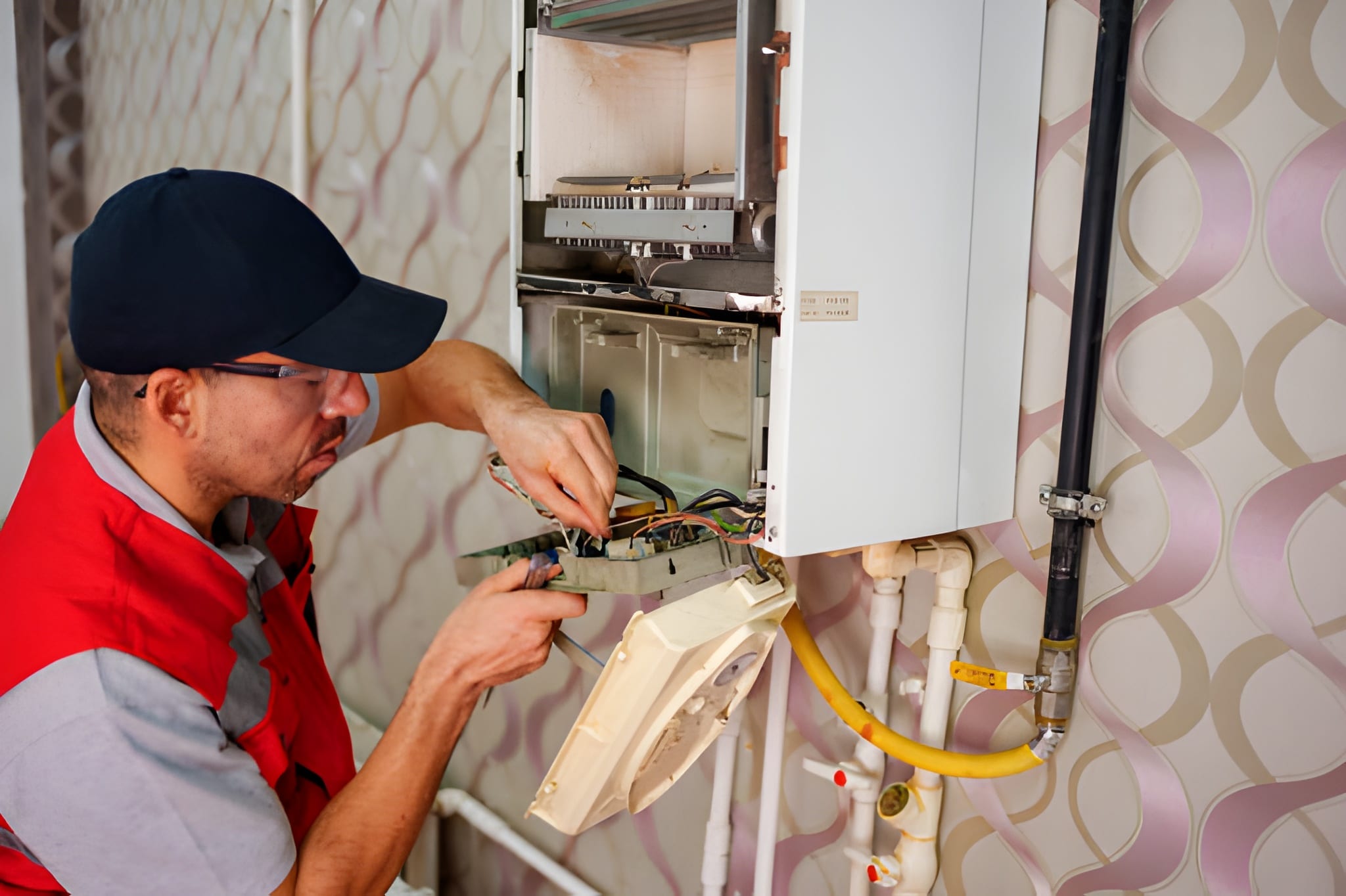
Heating Maintenance in Portola Valley, CA
Keeping your heating system running safely and efficiently is essential for comfort and cost control in Portola Valley, CA. With cool coastal evenings, inland microclimates, and seasonal smoke from wildfires, homes here face unique demands on heating equipment. Regular heating maintenance prevents breakdowns during cold snaps, improves indoor air quality, and helps ensure equipment warranties and local utility rebates remain valid.
Why regular heating maintenance matters in Portola Valley
- Efficiency and lower energy bills: A clean, well-adjusted system uses less energy to deliver the same heat, which matters in a market where energy costs and environmental regulations are important.
- Reliability for variable microclimates: Portola Valley homes experience big temperature swings between night and day. Maintenance decreases the likelihood of untimely failures during sudden cold nights.
- Safety and indoor air quality: Maintenance detects carbon monoxide risks, gas leaks, and issues aggravated by wildfire smoke that can clog filters and reduce ventilation.
- Extended equipment life: Routine care reduces wear on key components, delaying costly replacements in higher-value local homes.
- Warranty and rebate eligibility: Many manufacturers and utilities require documented annual maintenance to keep warranties valid and to qualify for efficiency rebates.
Common heating maintenance issues in Portola Valley homes
- Dirty or clogged filters from wildfire smoke and pollen
- Poor airflow caused by blocked ducts or failing blower motors
- Pilot, ignition, or combustion issues on older furnaces and boilers
- Cracked heat exchangers or corroded flues in aging systems
- Thermostat drift or calibration errors after seasonal temperature swings
- Condensate line clogs and drainage problems in high-efficiency systems
- Reduced efficiency from unbalanced ductwork or leaking return lines
Typical seasonal service plans and recommended intervals
- Annual fall tune-up: Recommended for furnaces, boilers, and heat pump heating modes. This is the most important visit to prepare for winter.
- Twice-yearly service for heat pumps: Spring and fall inspections ensure both heating and cooling modes are operating optimally.
- Filter checks: Replace or clean filters every 1 to 3 months; more frequent during wildfire season or if occupants have allergies.
- Mid-season inspection for older systems: If your equipment is over 10 years old, a mid-season check reduces emergency repair risk.
- Comprehensive inspection on ownership change: When buying or selling a Portola Valley home, a full heating system check protects your investment.
Standard tune-up checklist
A comprehensive heating maintenance visit typically includes:
- Safety inspections and visual system assessment
- Filter inspection and replacement guidance (clean or replace as required)
- Combustion analysis and carbon monoxide testing where applicable
- Gas pressure and burner operation checks on gas-fired equipment
- Heat exchanger inspection for cracks or corrosion
- Flue and venting inspection for blockages and proper draft
- Airflow assessment and blower motor inspection, including belt and lubrication
- Thermostat calibration and control system verification
- Electrical connection tightening and control board checks
- Condensate drain inspection and cleaning for high-efficiency units
- Ductwork visual inspection for leaks, loose connections, or insulation gaps
- System performance testing and seasonal settings optimization
- Written service notes and maintenance documentation to support warranties/rebates
What the maintenance process looks like
- Arrival and pre-inspection walk-through to note homeowner concerns and system history.
- Safety-first checks: power, gas, and combustion safety testing including CO monitoring.
- Cleaning and minor adjustments: remove debris from burners, clean burners or coils, tighten electrical connections, and lubricate moving parts.
- Performance testing: measure airflow, static pressure, temperature rise across the heat exchanger, and thermostat response.
- Recommendations and documentation: technicians explain needed repairs, parts that may soon need replacement, and provide a maintenance report for warranty or rebate records.
Service agreement options and what they include
Maintenance programs are structured to match different homeowner needs and systems:
- Basic seasonal tune-up plan: one annual visit covering core safety checks and filter guidance.
- Comprehensive maintenance agreement: seasonal tune-ups, priority scheduling, diagnostic discounts, and annual performance reports.
- Multi-system coverage: a single plan covering heating and cooling equipment for whole-home convenience.
- Emergency response add-ons: guaranteed response windows for plan members during peak cold snaps.
- Customized contracts for multi-zone or high-efficiency systems: tailored visits to protect advanced equipment and preserve manufacturer warranty terms.
Agreements typically specify the scope of work per visit, scheduling windows, record-keeping for warranties and rebates, and any priority response benefits. Pricing structures are commonly offered as single-service flat fees, annual memberships, or monthly payment options; the structure you choose should align with your risk tolerance and the age and complexity of your system.
How maintenance helps qualify for warranties and rebates
- Manufacturer warranties often require documented annual maintenance to remain valid. A maintenance visit provides the service record many manufacturers ask for.
- Local utilities and state energy programs periodically run rebate programs for high-efficiency equipment or retrofit projects. Proper maintenance history and performance documentation can be part of rebate eligibility.
- For Portola Valley homeowners, documentation is especially important when seeking energy upgrade incentives that require proof of pre-and post-service conditions.
Choosing the right plan for your home in Portola Valley
- Newer high-efficiency systems: opt for comprehensive coverage and semiannual inspections for heat pumps.
- Older or vintage systems: consider mid-season checks and a plan that includes discounts on repairs to avoid emergency replacements.
- Homes in areas prone to wildfire smoke: choose more frequent filter replacement schedules and consider add-ons for air purification and duct sealing.
- Multi-zone and large homes: verify that the plan includes duct balancing and zone control checks.
Final considerations and maintenance best practices
- Keep a copy of every maintenance visit and service report in a dedicated file for warranty and rebate claims.
- Replace filters promptly during smoke events and use appropriate MERV ratings as recommended for your system.
- Schedule your annual tune-up before the heating season begins to avoid delays during peak demand.
- Track system age and set reminders for component replacement before failure becomes critical.
Regular heating maintenance in Portola Valley, CA protects comfort, preserves equipment value, and ensures safer, more efficient operation tailored to local climate challenges. A documented, seasonally timed maintenance program keeps your system performing when you need it most while preserving warranty and rebate opportunities.
hear what our satisfied clients have to say

.svg)
Service areas
.avif)