

Heating Tune-up in Cupertino, CA
Cupertino homeowners can protect their comfort and safety with an annual heating tune-up from Plum HVAC that enhances efficiency and significantly reduces the risk of breakdowns. We address common local issues, from reduced heat and rising bills to unsafe combustion and indoor air concerns, and explain our thorough tune-up process—inspection, cleaning, filter replacement, coil and burner care, thermostat calibration, safety checks, and performance measurements. Plum HVAC also discusses typical duration, cost factors, impressive energy-savings potential (10–30%), maintenance plans, and practical tips for scheduling ahead of peak seasons.
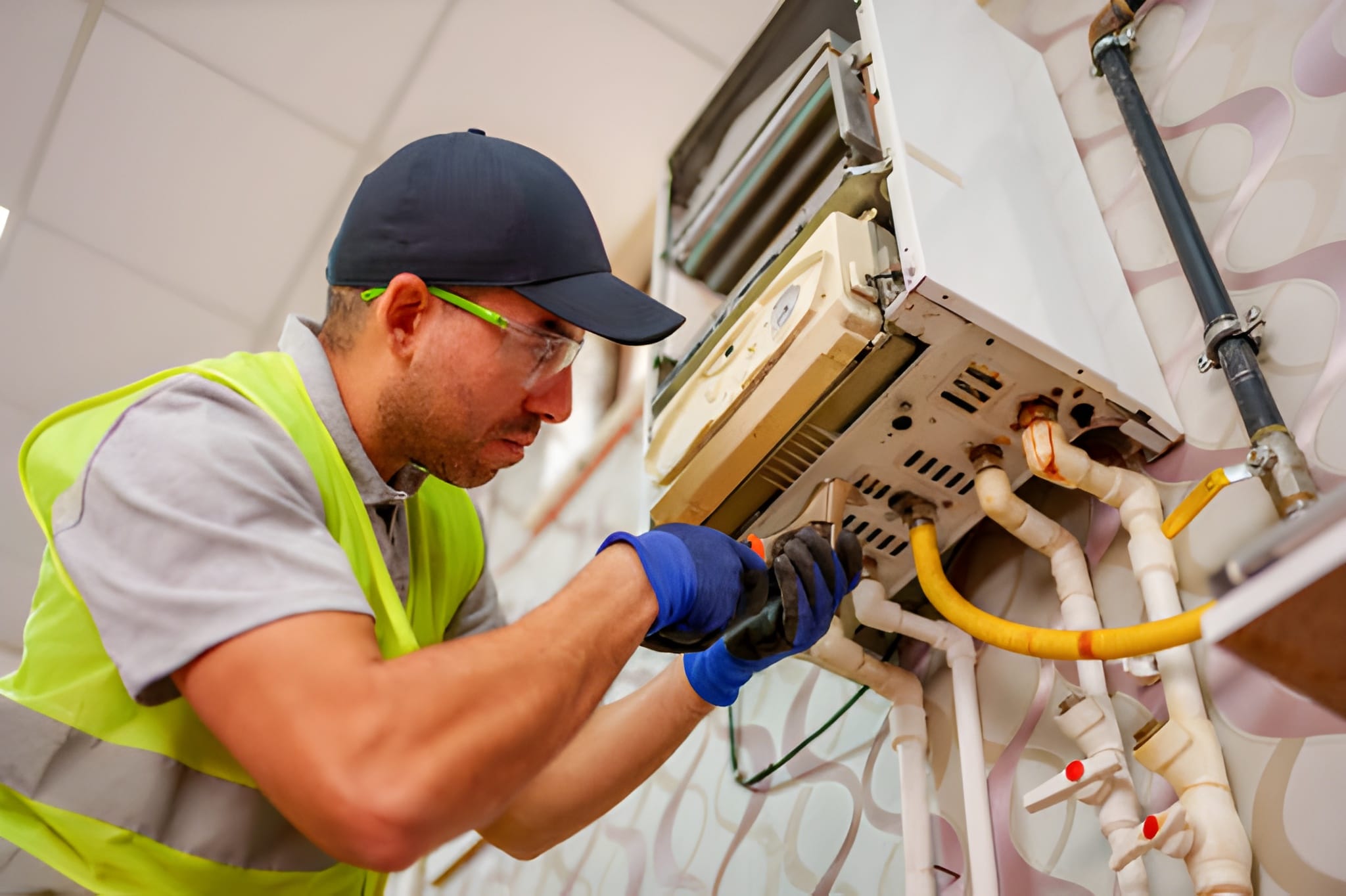
Heating Tune-up in Cupertino, CA
An annual heating tune-up keeps your system safe, efficient, and reliable through the cooler months in Cupertino. Even though Bay Area winters are milder than inland climates, local homes still rely on furnaces and heat pumps for comfort during chilly nights and early mornings. A professional tune-up reduces breakdown risk, improves energy efficiency, helps avoid carbon monoxide hazards, and preserves equipment life — all important benefits for homeowners balancing comfort and high local energy costs.
Common heating issues in Cupertino homes
- Reduced heat output after long idle periods or intermittent heating during foggy, damp mornings.
- Rising energy bills despite normal use, often from reduced system efficiency or clogged components.
- Uneven heating between rooms due to thermostat or airflow problems, common in multi-level Silicon Valley homes.
- Safety concerns such as incomplete combustion or faulty safety controls, especially in older gas furnaces.
- Systems struggling with indoor air quality during wildfire smoke seasons when filters and coils are contaminated.
What a professional heating tune-up includes
A thorough, seasonal heating tune-up is a systematic inspection, cleaning, calibration, and safety check. Typical step-by-step tasks performed during a tune-up include:
- Visual inspection of the entire heating system and surrounding area to identify corrosion, leaks, or obvious wear.
- Replace or inspect air filters and recommend proper filter type for local air quality and smoke seasons.
- Clean blower assembly, motor housing, and fan blades to restore airflow and reduce noise.
- Clean evaporator and condenser coils on heat pumps to maintain heat transfer efficiency.
- Clean burners and flame sensors on gas furnaces to ensure stable ignition and combustion.
- Test and calibrate the thermostat for accurate temperature readings and proper cycling.
- Check and tighten electrical connections, controls, fuses, and relays to prevent failures.
- Test safety controls including limit switches, rollout switches, and pressure switches.
- Inspect and test combustion by measuring flame quality and checking for carbon monoxide risk; adjust burner if needed.
- Check gas connections for tightness and presence of leaks using approved detection methods.
- Measure system performance: airflow, static pressure, temperature rise across the heat exchanger, and basic efficiency indicators.
- Inspect ductwork connections and registers for leaks or blockages and suggest sealing or balancing when needed.
- Verify condensate drain lines (for high-efficiency units) are clear and functional.
- Provide a written summary of findings, recommended repairs, and estimated parts life.
Diagnostics and performance measurement explained
Technicians use a combination of visual checks and instruments to quantify system health. Common measurements include:
- Temperature rise across the heat exchanger to confirm proper heat transfer.
- Static pressure and airflow to ensure the blower and duct system are delivering design airflow.
- Combustion analysis on gas appliances to check fuel-to-air ratio and safe operation.
- Electrical draw on motors to detect failing bearings or impending motor failure.
These diagnostics help prioritize repairs that restore efficiency or correct safety risks. For homeowners in Cupertino, the focus is often on maximizing efficiency given Bay Area energy costs and ensuring safe combustion in tightly built homes.
Expected time and considerations about cost
- Typical tune-up duration: Most standard residential tune-ups take between 45 and 90 minutes. Time varies based on system type (gas furnace, electric heat pump, packaged unit), system age, and how accessible components are.
- Cost considerations: Final cost varies with system complexity, unit condition, and whether repairs or parts replacement are needed. Costs increase when extra components, extensive cleaning, or safety repairs are required. Homeowners should expect a clear estimate for any recommended repairs before work proceeds.
Note: This section is meant to set expectations about the scope and time commitment of a tune-up rather than specify fixed prices.
Energy and cost-savings outcomes
A professional tune-up typically improves system efficiency and reduces operating costs in measurable ways:
- Restoring airflow and cleaning coils and burners can improve heating efficiency by 10 to 30 percent depending on the initial condition of the system.
- Properly calibrated thermostats and sealed ductwork reduce on/off cycling and heat loss, translating to more consistent comfort and lower energy bills.
- Addressing small issues during a tune-up prevents larger failures that carry higher repair or replacement costs later.
- For Cupertino homeowners, even modest efficiency gains are meaningful given higher regional energy rates and the environmental emphasis in the community.
Savings are cumulative: regular maintenance slows wear, prolongs equipment life, and helps sustain manufacturer warranty requirements in many cases.
Recommended tune-up frequency and who benefits most
- Recommended frequency: Annual heating tune-up ahead of the heating season is standard advice for most homeowners. In some cases, homes with older systems, heavy use, or environmental stressors (wildfire smoke, high dust) may benefit from biannual checks—one in fall and one in winter.
- Who benefits most: Owners of older furnaces or heat pumps, households sensitive to indoor air quality, multi-level homes with persistent hot/cold spots, and anyone concerned with safety around gas appliances.
Annual tune-ups are especially valuable in Cupertino where mild winters encourage intermittent system use that can hide developing issues until the first cold snap.
Recurring maintenance plans: what they include and how they work
Recurring maintenance plans are structured to keep your system maintained over time with routine service intervals and documentation. Common features include:
- Scheduled annual or biannual inspections and tune-ups, typically timed before peak heating or cooling seasons.
- Priority service scheduling during peak demand periods to reduce wait times for maintenance visits.
- Regular maintenance records and a service history that helps track equipment performance and warranty compliance.
- Discounted labor rates or parts pricing for covered repairs under the plan, depending on the plan terms.
- Reminders for filter changes and seasonal checks that align with local conditions like smoke season or high-pollen months.
Enrollment usually establishes a maintenance schedule, defines what tasks are included at each visit, and records homeowner preferences for appointment timing. For Cupertino residents, plans often emphasize pre-season checks in autumn and guidance on filter upgrades for wildfire smoke periods.
Practical maintenance tips for Cupertino homes
- Schedule your tune-up in early fall so your system is ready before cooler weather arrives.
- Use higher-efficiency filters during summer wildfire smoke events and change filters more frequently.
- Keep outdoor unit areas clear of leaves, debris, and overgrowth common in landscaped Silicon Valley yards.
- Note any odd noises, cycling patterns, or new odors and mention them at tune-up time so technicians can inspect those specific symptoms.
A professional heating tune-up in Cupertino helps protect comfort, safety, and efficiency. Regular tune-ups and a thoughtful maintenance plan reduce unexpected repairs and support predictable system performance across local seasonal patterns.
hear what our satisfied clients have to say

.svg)
Service areas
.avif)