Heating Repair in Cupertino, CA
Plum HVAC provides prompt diagnostics and professional fixes for furnaces, heat pumps, gas, and electric systems in Cupertino, protecting your comfort and indoor air quality. Your visit includes safety checks, system startup observations, component testing, and clear explanations of our findings and your options. Our technicians perform common repairs, including replacement of ignition components, motors, capacitors, and control boards, with EPA-certified refrigerant handling when needed. We also offer preventive maintenance guidance and safety protocols to help homeowners reduce emergencies and extend equipment life in Silicon Valley homes.
Heating Repair in Cupertino, CA
Reliable heating repair in Cupertino, CA keeps homes comfortable through cool nights, protects indoor air quality during wildfire season, and helps high-efficiency systems operate safely and economically. Whether you have a furnace, heat pump, gas wall heater, or electric resistance system, prompt diagnostics and professional repair reduce safety risks, avoid costly failures, and preserve system life—especially in Silicon Valley homes where energy efficiency and smart controls are common.
Common heating systems and typical failure symptoms in Cupertino homes
Cupertino residences use a mix of systems: gas furnaces in older homes, heat pumps and ductless mini-splits in newer or electrified homes, and electric baseboard or forced-air systems in some neighborhoods. Typical symptoms homeowners report include:
- Furnace repair Cupertino: no heat, short cycling, unusual odors, loud burners, or yellow/irregular pilot flame.
- Heat pump repair Cupertino: weak airflow, loss of heating below certain outdoor temperatures, icing on the outdoor unit, or noisy compressor cycles.
- Gas heating repair Cupertino: pilot ignition failures, gas smell, burner flicker, or frequent trips of safety devices.
- Electric heating repair Cupertino: tripped breakers, burned-out heating elements, or thermostat non-responsiveness.
Local factors: Cupertino’s mild winters can lead to neglected seasonal maintenance, increasing the risk of failures when temperatures drop. Wildfire smoke seasons also make working filters and proper combustion ventilation more critical.
Common causes behind heating failures
Understanding root causes helps prioritize repairs:
- Ignition components fail: hot surface igniters, spark ignitors, or pilot systems degrade over time.
- Airflow restrictions: clogged filters, blocked ducts, or failing blower motors cause overheating, reduced output, and short cycling.
- Fuel delivery issues: clogged gas lines or faulty gas valves prevent proper combustion.
- Refrigerant and mechanical failures (heat pumps): refrigerant leaks, failing compressors, or reversing valve faults reduce heating capacity.
- Electrical and control faults: failed capacitors, relays, control boards, or thermostat communication errors disrupt operation.
- Corrosion and heat exchanger cracks: impact safety (carbon monoxide risk) and require thorough inspection.
On-site diagnostics: what to expect
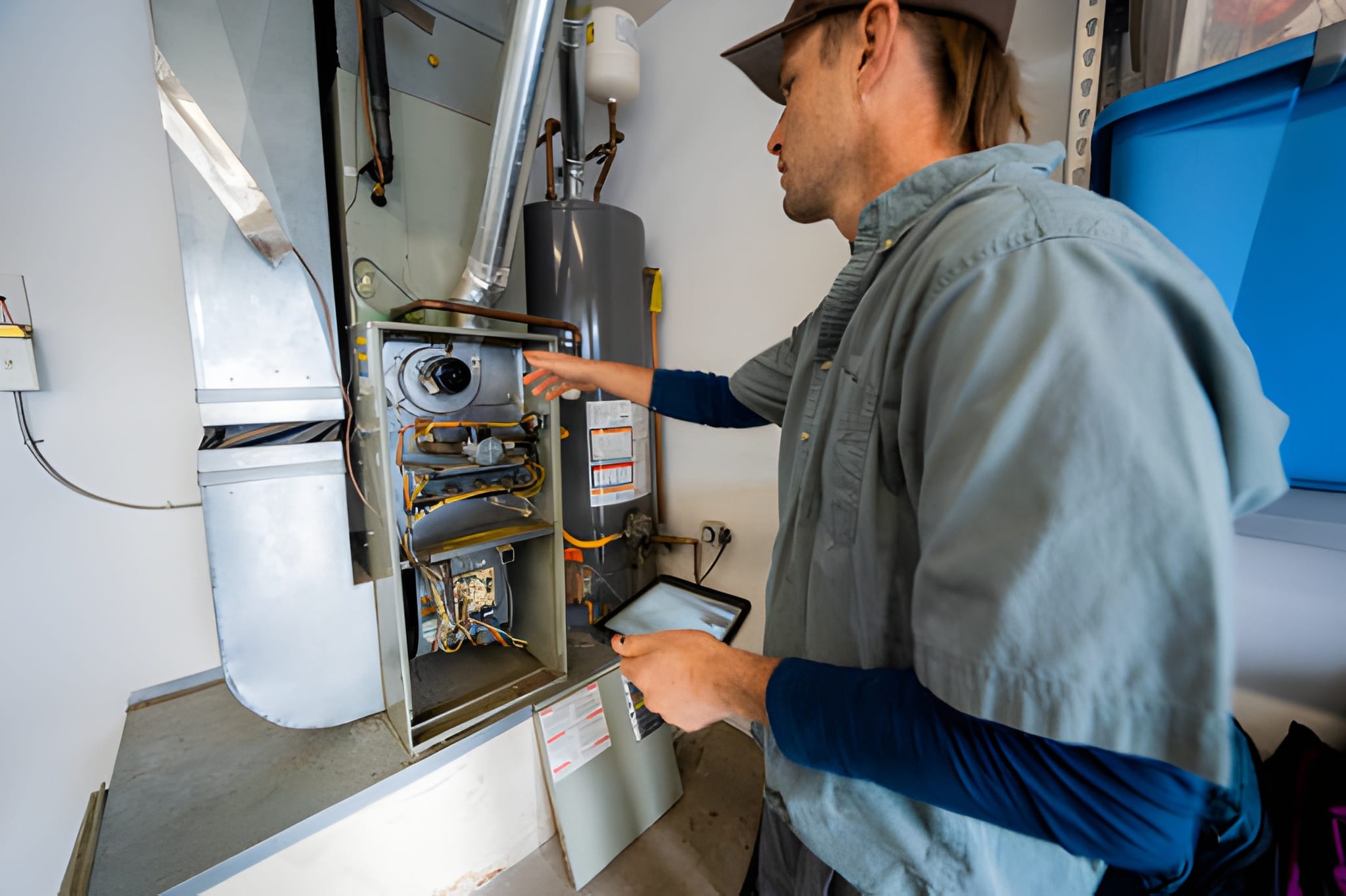
A professional heating repair visit follows a methodical diagnostic routine to find the problem and recommend repairs:
- Visual and safety inspection
- Check for gas leaks, venting obstructions, soot or corrosion, loose wires, and any odor indicating combustion issues.
- Verify carbon monoxide and smoke detector status.
- System startup and cycle observation
- Observe ignition sequence, burner operation, blower engagement, refrigerant cycling (for heat pumps), and abnormal sounds or vibrations.
- Electrical and component testing
- Use meters to test voltage, continuity, capacitor health, and motor amperage.
- Inspect control boards, relays, and safety switches.
- Combustion and venting analysis (gas systems)
- Check flame quality and draft; inspect flue and venting for blockages or spillage.
- Refrigerant and pressure testing (heat pumps)
- Measure refrigerant pressures, check for leaks, and test reversing valves and defrost cycles.
- Duct and airflow assessment
- Measure supply and return air, inspect filters, and identify blocked registers or duct leaks.
After diagnostics, technicians present findings, explain necessary repairs in plain language, and outline replacement parts or safety concerns.
Typical repair and parts replacement procedures
Common on-site repairs and replacements performed during heating repair visits:
- Replace ignition components: hot surface ignitors, flame sensors, or pilot assemblies.
- Repair or replace blower motors, belts, and fan assemblies to restore airflow.
- Replace capacitors, relays, transformers, and control boards to restore electrical reliability.
- Address gas issues: clean burners, replace gas valves, or repair regulator components following gas safety protocols.
- Heat pump repairs: locate and repair refrigerant leaks, replace contactors, reversing valves, or compressors when necessary (compressor replacement is complex and may require permits and refrigerant recovery).
- Replace filters, clean coils, and clear condensate drains to prevent recurring problems.
- Inspect and repair damaged ductwork, seals, and insulation to restore system efficiency.
All refrigerant handling is performed by technicians with EPA Section 608 certification and appropriate recovery equipment. OEM and high-quality aftermarket parts are used to maintain system performance and manufacturer compliance.
Emergency and same-day repair options
Heating emergencies in Cupertino commonly occur during sudden cold snaps, equipment failure, or when a gas odor is present. Emergency service protocols typically include rapid diagnostics, safety triage (gas isolation, ventilation checks, CO testing), and temporary measures to make a system safe until permanent repairs can be completed. Many service teams prioritize same-day repairs where safety and parts availability allow, and they will provide temporary heating or safety steps when immediate parts replacement is not possible.
Technician qualifications and safety protocols
Qualified technicians for heating repair in Cupertino typically hold:
- A valid California HVAC contractor license (C-20) or equivalent local credentials for heating work.
- EPA Section 608 certification for refrigerant service.
- Gas appliance certifications for working on gas furnaces and lines.
- Factory training or manufacturer certifications on specific brands and models.
- Ongoing continuing education on codes, safety, and electrification trends.
Safety protocols enforced during every visit include:
- Lockout/tagout on electrical and gas circuits before work.
- Combustion analysis and carbon monoxide testing after repairs.
- Gas leak detection devices and mitigation steps when leaks are suspected.
- Proper PPE, refrigerant recovery, and disposal procedures.
- Compliance with local permitting and inspection requirements when installations or major component replacements are performed.
Warranty information
Warranties vary by part and service provider. Manufacturer component warranties typically cover defects per the OEM terms; many providers also offer limited labor warranties for repairs performed, and some parts carry extended coverage when OEM components are installed. Proper documentation, part serial numbers, and registration are important to preserve manufacturer warranties. When major components are replaced, understanding both the parts warranty and any offered labor warranty protects homeowners and clarifies future service expectations.
Service flow: what a homeowner can expect (no sales language)
A standard heating repair engagement in Cupertino follows these steps:
- Initial inquiry and collection of system details and symptoms.
- On-site inspection and diagnostic testing to identify root causes.
- Clear explanation of findings, recommended repairs, and options for repair versus replacement.
- Scheduling of approved repairs, parts procurement, and execution with safety verification.
- Post-repair testing, system tuning (thermostat calibration, airflow balancing), and a written service report outlining work performed and recommendations for preventive maintenance.
Preventive maintenance and local considerations
Regular seasonal maintenance is particularly valuable in Cupertino where mild winters often lead to deferred service. Routine tune-ups restore efficiency, reduce energy bills, extend equipment life, and improve indoor air quality—especially important during wildfire smoke events. Cupertino homeowners should also consider:
- Converting older gas systems to high-efficiency heat pumps as local electrification incentives and rebates make upgrades more attractive.
- Adding or calibrating smart thermostats common in the area for zoning and efficiency benefits.
- Scheduling annual combustion checks for gas appliances and pre-winter heat pump inspections.
Well-maintained systems operate more safely and reliably, reduce emergency callouts, and perform better during cold nights or intermittent cold snaps.
This page covers what to expect from heating repair in Cupertino, CA, including diagnostics, common causes, repair procedures, emergency handling, technician qualifications, safety standards, and warranty considerations—so homeowners can assess repairs with confidence and prioritize safety and efficiency.
hear what our satisfied clients have to say

.svg)
Service areas
.avif)