
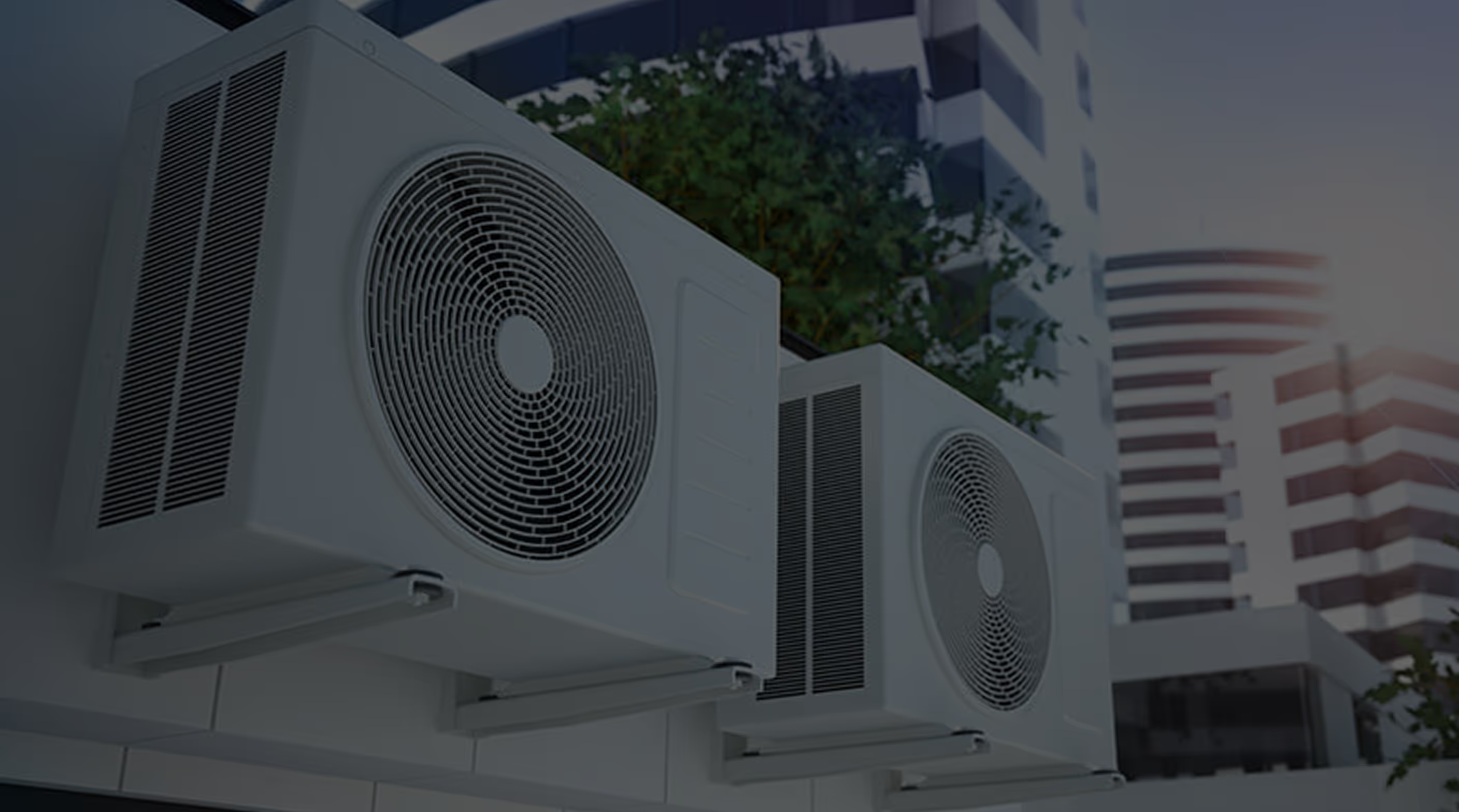
Heating Maintenance in Cupertino, CA
Cupertino residents can significantly extend their equipment's life and maintain safe, efficient heating through routine maintenance perfectly tailored to our local climate and homes. We outline why preventive servicing truly matters, cover typical system types, and provide a detailed seasonal tune-up checklist—from filters and burners to airflow and refrigerant checks. Plum HVAC explains our service plans, recommended visit frequency, and how reminders and thorough records support your warranties and even resale value. We also offer practical tips, like emphasizing filter changes during wildfire season, using smart thermostats, ensuring duct sealing, and getting timely maintenance for reliable year-round comfort.

Heating Maintenance in Cupertino, CA
Keeping your heating system running safely, efficiently, and reliably is essential—even in Cupertino’s mild Mediterranean climate. Regular heating maintenance prevents surprise breakdowns on cool nights, keeps utility bills predictable, extends equipment life, and helps protect indoor air quality during periods of wildfire smoke or fog. This page explains routine heating maintenance programs and seasonal tune-ups tailored to Cupertino homes, what technicians inspect, typical service-plan options, and the inspection records and reminders you’ll receive.
Why heating maintenance matters in Cupertino, CA
Cupertino experiences mild winters but frequent cool mornings and evenings, meaning many households use heat intermittently rather than continuously. Intermittent use combined with California’s wildfire smoke seasons and the city’s varied housing stock (older gas furnaces, newer heat pumps, and ductless mini-splits) creates specific maintenance needs:
- Filters can clog faster during smoke or high-pollen periods, reducing airflow and efficiency.
- Heat pumps and ductless systems require seasonal checks of refrigerant and reversing valves.
- Forced-air systems that sit unused much of the year are more likely to develop ignition or safety-control issues.
- Duct leaks are common in older homes and reduce delivered heat and efficiency.
Regular, professional maintenance addresses these local concerns before they become costly repairs.
Common heating system types in Cupertino homes
Understanding the system type helps determine which maintenance tasks are required:
- Gas-fired furnaces (forced-air) — common in older homes.
- Heat pumps (air-source) — increasingly popular for efficiency and electrification.
- Ductless mini-splits — common for room-by-room comfort and retrofits.
- Hydronic systems (boilers/radiant) — less common but present in some neighborhoods.
Maintenance programs are customized for each system type, with overlapping checks for safety and airflow.
Routine heating maintenance checklist
A comprehensive seasonal tune-up includes the following items. These are the core tasks you should expect on an annual (or biannual for heat pumps) visit:
- Filter changes and inspection
- Replace or clean primary filters and check for additional filters in return grilles.
- Recommend higher-MERV or HEPA pre-filters during wildfire season if indoor air quality is a concern.
- Burner inspection and combustion check (gas systems)
- Clean burners, check flame pattern, and verify proper combustion to improve efficiency and reduce carbon monoxide risk.
- Heat exchanger inspection (gas furnaces and boilers)
- Visual and, where indicated, more detailed checks for cracks or corrosion that can cause leaks or unsafe operation.
- Ignition and safety control testing
- Test electronic ignitors, pilots, flame sensors, limit switches, and safety interlocks to ensure reliable, safe start-up and operation.
- Airflow verification and duct inspection
- Measure airflow, inspect ductwork for leaks or blockages, and evaluate return and supply balances to ensure proper distribution.
- Refrigerant and coil checks (heat pumps and ductless units)
- Verify refrigerant charge, clean indoor and outdoor coils, and test reversing valves and defrost cycles.
- Blower motor and belt inspection
- Lubricate bearings where applicable, check belt condition and tension, and verify blower wheel cleanliness.
- Thermostat calibration and controls
- Ensure thermostats are accurate, program schedules are functioning, and that advanced controls (smart thermostats) integrate properly.
- Safety and CO checks
- Test carbon monoxide detection protocols and check venting for blockages or corrosion on combustion appliances.
- System diagnostics and performance testing
- Measure static pressure, temperature rise or split, and overall system efficiency compared to manufacturer specifications.
What a seasonal tune-up looks like
A typical visit includes an initial system assessment, targeted cleaning and adjustments, safety testing, and a short operational period to confirm stable performance. Technicians document findings, perform minor repairs or adjustments on the spot if within the scope of the visit, and provide prioritized recommendations for any further work—such as sealing ducts, replacing aging components, or addressing refrigerant leaks for heat pumps.
Service plans and agreements
Heating maintenance programs are commonly offered in tiered agreements to match homeowner needs:
- Basic Maintenance Plan
- Annual inspection and cleaning, filter replacement, and basic safety checks. Ideal for systems in good condition that need a single annual tune-up.
- Comprehensive Tune-Up Plan
- Biannual visits or combined heating/cooling inspections, priority scheduling for service, detailed diagnostics, and preventive adjustments. Recommended for heat pumps, homes with indoor air-quality concerns, or properties with older equipment.
- Full Coverage Plan
- Preventive maintenance plus discounted repairs, parts priority, and extended inspection reports. Designed for households that want hands-off protection and predictable upkeep.
Each plan typically includes an annual maintenance checklist, seasonal reminders, and documented inspection records. Plans are matched to system type (furnace, heat pump, ductless) and household usage patterns.
Scheduling rhythm and recommended frequency
- Gas furnaces: at least once per year before the heating season.
- Heat pumps and ductless systems: at least once per year; consider twice per year if the system provides both heating and cooling year-round.
- Homes affected by wildfire smoke or high pollen: more frequent filter changes—check filters every 1-3 months during high-exposure periods.
Technicians will recommend a schedule based on equipment age, system usage, and local air quality conditions.
Reminders, inspection records, and documentation
Well-run maintenance programs include clear documentation and reminders:
- A written or digital maintenance report after each visit summarizing work performed, test results (temperatures, pressures, airflow), component condition, and recommended next steps.
- Inspection records retained by the provider for warranty and service-history purposes.
- Seasonal reminders via email or text for upcoming tune-ups and filter-change prompts.
- Recommendations for air-quality upgrades (filters, purifiers, duct sealing) when inspection data indicates benefit.
These records are valuable for warranty support, future resale, and making data-driven decisions about system replacement or upgrades.
Benefits you’ll notice
Regular heating maintenance delivers measurable advantages for Cupertino homeowners:
- Improved energy efficiency and lower utility variability on cool nights.
- Fewer emergency breakdowns and longer equipment life.
- Better indoor air quality during smoke and pollen events.
- Safer operation with reduced risk of carbon monoxide leaks or ignition failures.
- Predictable maintenance history for homeowners and future buyers.
Regular service tailored to local conditions helps systems perform reliably year after year.
Practical tips for Cupertino homeowners
- Replace or inspect filters monthly during wildfire or high-pollen seasons.
- Consider a smart thermostat to reduce run-time while maintaining comfort during day/night temperature swings.
- If you have an older furnace or frequent repairs, evaluate a heat-pump replacement for higher seasonal efficiency and electrification benefits.
- Seal and insulate ducts in unconditioned spaces to improve delivered comfort and efficiency.
- Keep outdoor heat-pump units clear of debris, especially during fall leaf drop and spring flowering.
Timely maintenance — informed by Cupertino’s specific climate and air-quality patterns — keeps your heating system dependable, efficient, and safe while protecting indoor comfort and equipment value.
hear what our satisfied clients have to say

.svg)
Service areas
.avif)