
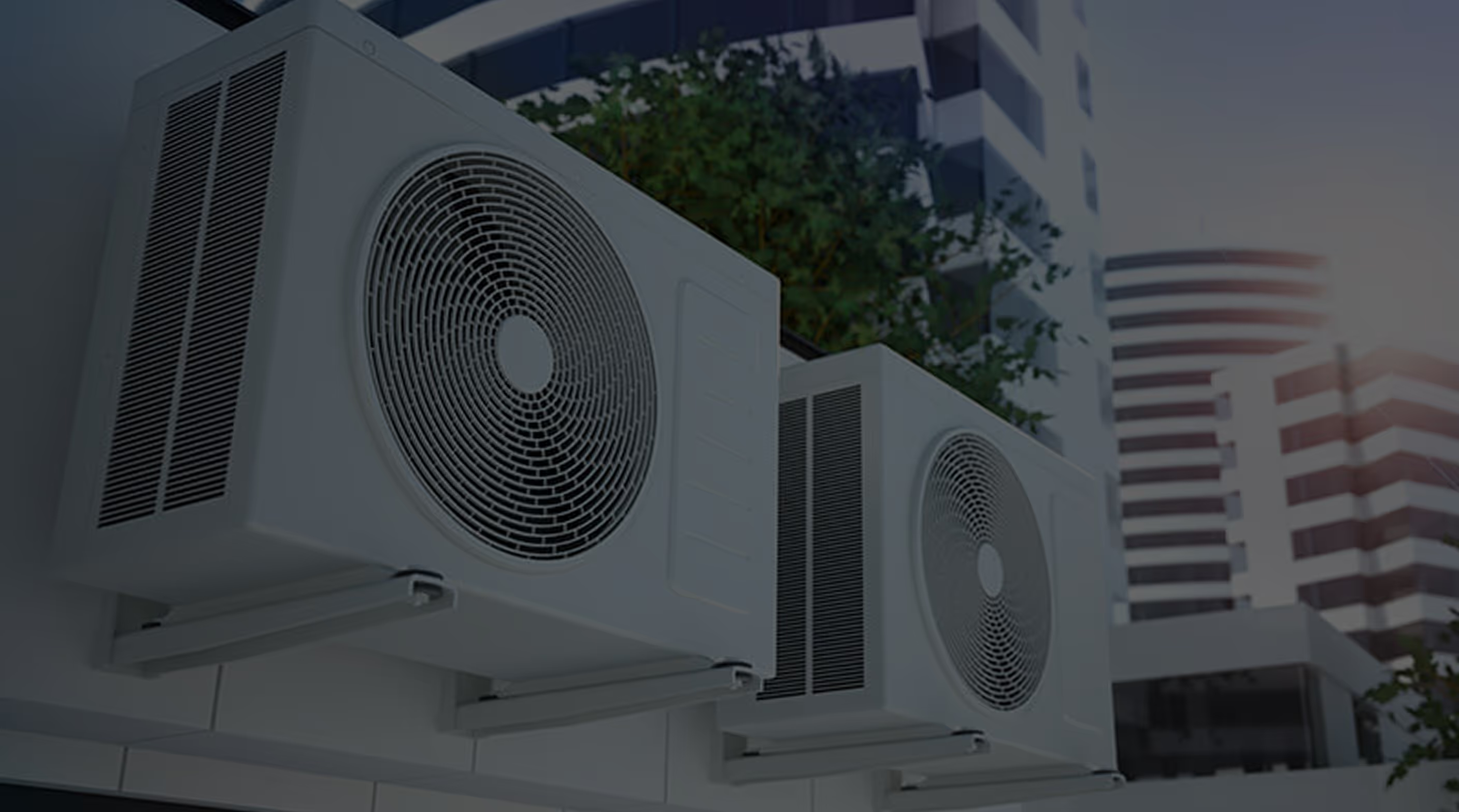
Heat Pump Tune-up in San Jose, CA
A professional heat pump tune-up in San Jose is incredibly important, and Plum HVAC provides a thorough overview of why maintenance truly matters, addresses common tune-up issues, and details our diagnostic checklist. We’ll explain the steps we take—from filtration and coil cleaning to refrigerant verification, thermostat calibration, lubrication, airflow assessment, and safety checks—all designed to improve your system's efficiency, reliability, and longevity. We'll also cover expected duration, key benefits, recommended frequency, and help you consider important factors to schedule timely, cost-effective maintenance focused on your real-world comfort and warranty considerations.

Heat Pump Tune-up in San Jose, CA
Keeping a heat pump tuned and running reliably is crucial for San Jose homes where hot summers and mild winters place year-round demands on both cooling and heating modes. A professional heat pump tune-up targets efficiency, prevents breakdowns during peak demand, and helps keep manufacturer warranties intact. Below is a clear, expert overview of what a thorough heat pump tune-up includes, common issues in San Jose homes, the diagnostic process, benefits you can expect, and recommended maintenance frequency.
Why a heat pump tune-up matters in San Jose, CA
San Jose experiences hot, dry summers and cooler, damp winters that can stress heat pump systems in different ways. Summer cooling loads increase run times and accelerate wear on compressors and air handlers. Local airborne dust, pollen, and occasional wildfire smoke mean filters and coils can clog faster than in less urban or rural areas. Regular tune-ups restore performance, reduce energy use during high-utility months, and lower the risk of mid-season failures when repair times and costs tend to rise.
Common heat pump tune-up issues in San Jose
- Dirty filters and condenser coils that reduce airflow and capacity
- Low refrigerant or undetected leaks that decrease efficiency and damage compressors
- Miscalibrated thermostats causing short cycling or poor temperature control
- Worn bearings and motors creating noise, higher electrical draw, and premature failure
- Clogged condensate drains leading to water damage or coil icing
- Faulty reversing valve or defrost controls that prevent reliable heating in cooler nights
What a comprehensive heat pump tune-up includes
A professional tune-up follows a detailed checklist to diagnose and correct performance-robbing issues. The typical components and inspections are:
- Filter and coil cleaning
- Replace or clean air filters and inspect for excessive dust or moisture damage.
- Clean evaporator and condenser coils to restore heat transfer efficiency.
- Refrigerant verification
- Verify refrigerant charge and pressure. Identify signs of leaks and document findings.
- Inspect refrigerant lines and insulation for damage or degradation.
- Thermostat calibration and controls
- Confirm thermostat accuracy and proper communication with the system.
- Check control settings, program schedules, and mode switching between heat and cool.
- Lubrication of moving parts
- Lubricate fan motors, bearings, and other moving components where serviceable.
- Inspect belts and replace if cracked or worn.
- Airflow and duct inspection
- Measure airflow and static pressure where accessible. Check for blocked vents or dirty ductwork.
- Inspect blower wheel and clean as needed to restore balanced airflow.
- Electrical safety checks
- Inspect wiring, terminals, and contactors for tightness and corrosion.
- Measure voltage and amperage draw on compressor and motors; compare to manufacturer specs.
- Operational performance tests
- Evaluate system start-up and shutdown sequences.
- Test reversing valve, defrost cycle, and temperature split (delta T) across the coil.
- Verify safe condensate drain operation and check pan for leaks or standing water.
- Safety and efficiency checks
- Inspect safety controls, such as high-pressure and low-pressure cutouts.
- Provide a summary of observed issues and recommended corrective actions.
Diagnostic approach explained in plain terms
Technicians use a mix of visual inspection, basic measurements, and operational observation. For example, measuring the temperature difference between supply and return air helps determine if the heat pump is moving heat efficiently. Electrical measurements identify motors or compressors drawing too much current, a common pre-failure sign. Refrigerant checks reveal whether low charge is causing poor cooling or heating capacity. Each finding is translated into specific repairs or adjustments so the system returns to proper performance.
Expected duration and what to expect during the service
A routine heat pump tune-up for a single split system typically takes about 60 to 90 minutes. Larger systems, multi-zone homes, or units with significant access challenges can require additional time. During the tune-up you can expect:
- System shutdown for safe service and tests
- Filter replacement or cleaning
- Visual and functional checks of outdoor and indoor units
- Measurements of temperatures, pressures, and electrical values
- A final operational test to confirm improvements
Benefits of regular tune-ups for San Jose homeowners
- Improved efficiency and lower energy bills: Clean coils and proper refrigerant charge restore original efficiency, which matters given local summer cooling loads.
- Greater reliability during peak seasons: Preventative maintenance reduces the chance of failures during hot spells when repair wait times are longer.
- Extended equipment life: Lubrication, balanced airflow, and electrical checks reduce wear on major components.
- Better indoor air quality: Clean filters and coils reduce dust, pollen, and particulates circulating through the home.
- Warranty protection: Many manufacturers require periodic professional maintenance to keep warranties valid. Documented tune-ups provide proof of care.
Recommended frequency and seasonal timing
- Annual tune-up: At minimum, perform a full professional tune-up once per year. For San Jose, the best timing is late spring before the heavy cooling season to ensure the system is ready for summer demand.
- Biannual service for high-use systems: Homes with high cooling loads, systems over 10 years old, or environments with heavy dust or smoke exposure benefit from a spring and fall tune-up to cover both cooling and heating seasons.
- Follow manufacturer guidance: Check your heat pump manufacturer’s maintenance recommendations to meet warranty terms and optimal performance intervals.
Final notes on cost factors and decision points
While costs are influenced by system size, accessibility, age, and whether repairs are needed, the primary value of a tune-up is preventing higher-cost breakdowns and saving on seasonal energy bills. For decision-making, focus on documented inspections, clear explanations of necessary repairs, and a maintenance schedule that aligns with warranty requirements and San Jose climate demands.
Regular professional tune-ups keep heat pumps operating efficiently, reliably, and safely in San Jose homes. Prioritizing maintenance before peak seasons minimizes disruption, preserves comfort, and protects the long-term investment in your heating and cooling system.
hear what our satisfied clients have to say

.svg)
Service areas
.avif)