
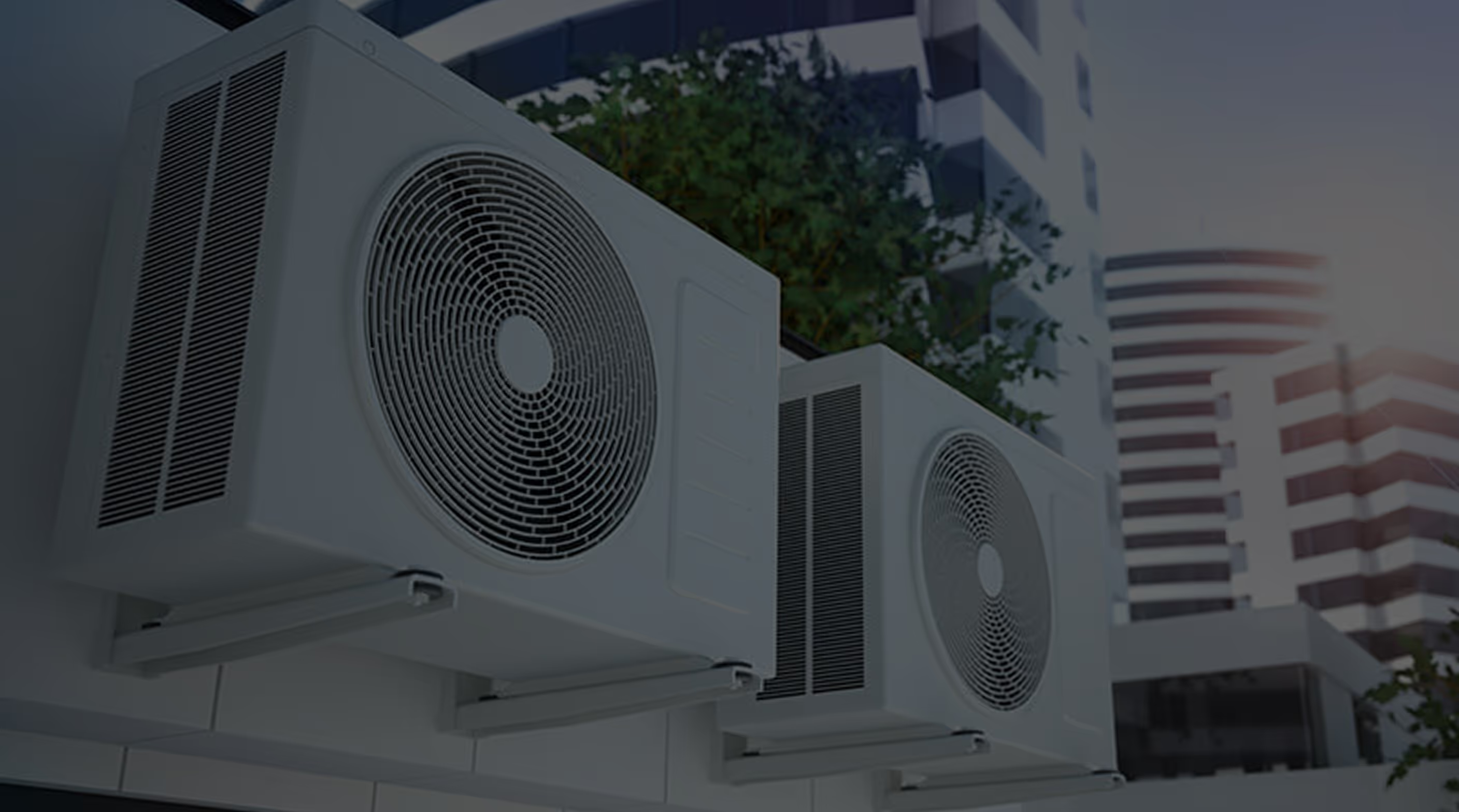
Heat Pump Maintenance in San Jose, CA
Heat pump maintenance in San Jose, CA offers proactive care to reduce breakdowns, improve efficiency, and extend equipment life. Plum HVAC outlines what a professional preventive program includes, common local issues, diagnostic steps, recommended schedules, and the value of service agreements. Regular tune-ups focus on airflow, refrigerant, electrical integrity, and performance, while homeowners can support results with filter care and clear outdoor space. A detailed maintenance plan helps prevent costly repairs and maintains comfortable, reliable year‑round operation.

Heat Pump Maintenance in San Jose, CA
Keeping your heat pump running efficiently year round is essential in San Jose, CA, where mild winters and hot, dry summers place distinct seasonal demands on HVAC equipment. Regular heat pump maintenance in San Jose, CA reduces unexpected breakdowns, controls energy costs, and extends equipment life — especially important with rising energy rates and the citys varied microclimates. This page explains what professional preventive maintenance includes, common local issues, diagnostic steps, recommended schedules and service agreement features, and the practical benefits of staying on top of maintenance.
Why preventive maintenance matters in San Jose homes
San Jose’s Mediterranean climate means your heat pump often works as both primary cooling and heating. That seasonal switching, combined with valley dust, pollen and occasional high summer temperatures, can accelerate wear and lower system efficiency. Regular maintenance helps:
- Preserve efficiency so your system uses less electricity during long cooling runs.
- Prevent small issues from becoming costly failures during peak usage.
- Keep indoor comfort consistent when temperatures swing between cool mornings and hot afternoons.
- Maintain manufacturer warranty conditions that often require documented maintenance.
Common heat pump maintenance issues in San Jose
Homeowners in the South Bay commonly see these problems:
- Reduced airflow from clogged filters or dirty blower components.
- Dirty evaporator and condenser coils that reduce heat transfer and efficiency.
- Refrigerant leaks or incorrect refrigerant charge causing poor cooling or heating performance.
- Electrical faults and worn connections that lead to intermittent operation or control failures.
- Condensate drain clogs and standing water that can produce odors or water damage.
- Outdoor unit debris, dust and foliage that restrict airflow and cause overheating.
Identifying these issues early on prevents comfort loss and keeps operating costs down.
What a thorough heat pump preventive maintenance program includes
A complete seasonal tune-up targets airflow, refrigerant, electrical integrity and overall performance. Typical components of a professional program:
- Visual inspection of indoor and outdoor units for wear, corrosion and debris.
- Refrigerant checks with pressure readings and leak detection to confirm proper charge.
- Electrical system examination: contactors, capacitors, fuses, wiring tightness and amp draw tests.
- Coil and filter cleaning: evaporator and condenser coil cleaning and filter replacement or guidance on filter types and frequency.
- Airflow testing and blower motor inspection to verify proper CFM and static pressure.
- Performance tuning: measuring temperature split, verifying reversing valve operation, and balancing for optimal comfort.
- Condensate drain and pan cleaning to prevent clogs and microbial growth.
- Thermostat calibration and control sequence testing.
- Documentation of findings and recommended corrective actions.
How technicians diagnose performance problems
A reliable diagnostic routine produces objective data and a clear action plan:
- Start with a visual and audible inspection of both indoor and outdoor units.
- Measure airflow and static pressure to detect airflow restrictions.
- Take refrigerant pressure and superheat/subcooling measurements to confirm charge and compressor health.
- Check electrical loads and component condition to find failing parts before they trip breakers.
- Test system performance under load by measuring supply and return temperatures and system run times.
- Use leak detectors and dye tests if a refrigerant loss is suspected.This stepwise approach ensures repairs and adjustments target root causes, not symptoms.
Recommended maintenance schedule for San Jose systems
For most San Jose homes, a twice-yearly maintenance cadence delivers the best balance of reliability and efficiency:
- Spring (pre-cooling season): full tune-up focused on cooling performance, refrigerant check and outdoor unit cleaning.
- Fall (pre-heating season): emphasis on reversing valve operation, heating performance tuning and electrical checks.
Additional recommendations:
- Replace or clean filters every 1 to 3 months depending on filter type, pets and indoor air quality needs.
- Inspect outdoor unit clearance and cleanliness monthly during high-dust seasons.
- Schedule a full coil cleaning and airflow evaluation annually.
- Have refrigerant levels professionally checked at least once per year.
Service agreements typically formalize this schedule, providing recurring inspections, documented reports, and a performance baseline you can reference if problems arise.
What to expect from a service agreement
A standard maintenance agreement for heat pump maintenance in San Jose, CA usually includes:
- Scheduled seasonal tune-ups with documented checklists and performance readings.
- Priority scheduling for repairs during peak seasons to reduce downtime.
- Regular filter and component inspection recommendations.
- A clear record of performed work that helps with warranty compliance and resale disclosures.
- Optional add-ons such as discounted diagnostic fees or seasonal service reminders.
Agreements offer predictability and make it easier to budget for preventative care.
Simple homeowner actions that complement professional maintenance
You can preserve system performance between tune-ups by:
- Replacing or cleaning filters on schedule to maintain airflow.
- Keeping at least two feet of clear space around the outdoor unit and removing debris after storms.
- Checking thermostat settings and batteries and avoiding rapid setpoint changes.
- Ensuring the condensate drain remains free-flowing and checking for visible leaks.
These small steps reduce strain on your heat pump and improve indoor comfort.
Benefits of regular heat pump maintenance
Consistent maintenance delivers measurable benefits for San Jose homeowners:
- Increased energy efficiency, translating to lower monthly utility bills.
- Fewer emergency repairs and reduced likelihood of major component failures.
- Longer equipment lifespan, delaying the capital expense of replacement.
- More consistent temperature control and better humidity management.
- Improved indoor air quality through clean filters and coils.Timely maintenance turns a heat pump into a reliable, efficient system tailored to local climate demands.
Regular heat pump maintenance in San Jose, CA is an investment in comfort and predictable operating costs. Following a professional preventive program with seasonal tune-ups, refrigerant and electrical checks, coil and filter care, airflow testing and performance tuning keeps your system ready for the region’s year-round needs and helps you avoid costly surprises.
hear what our satisfied clients have to say

.svg)
Service areas
.avif)