
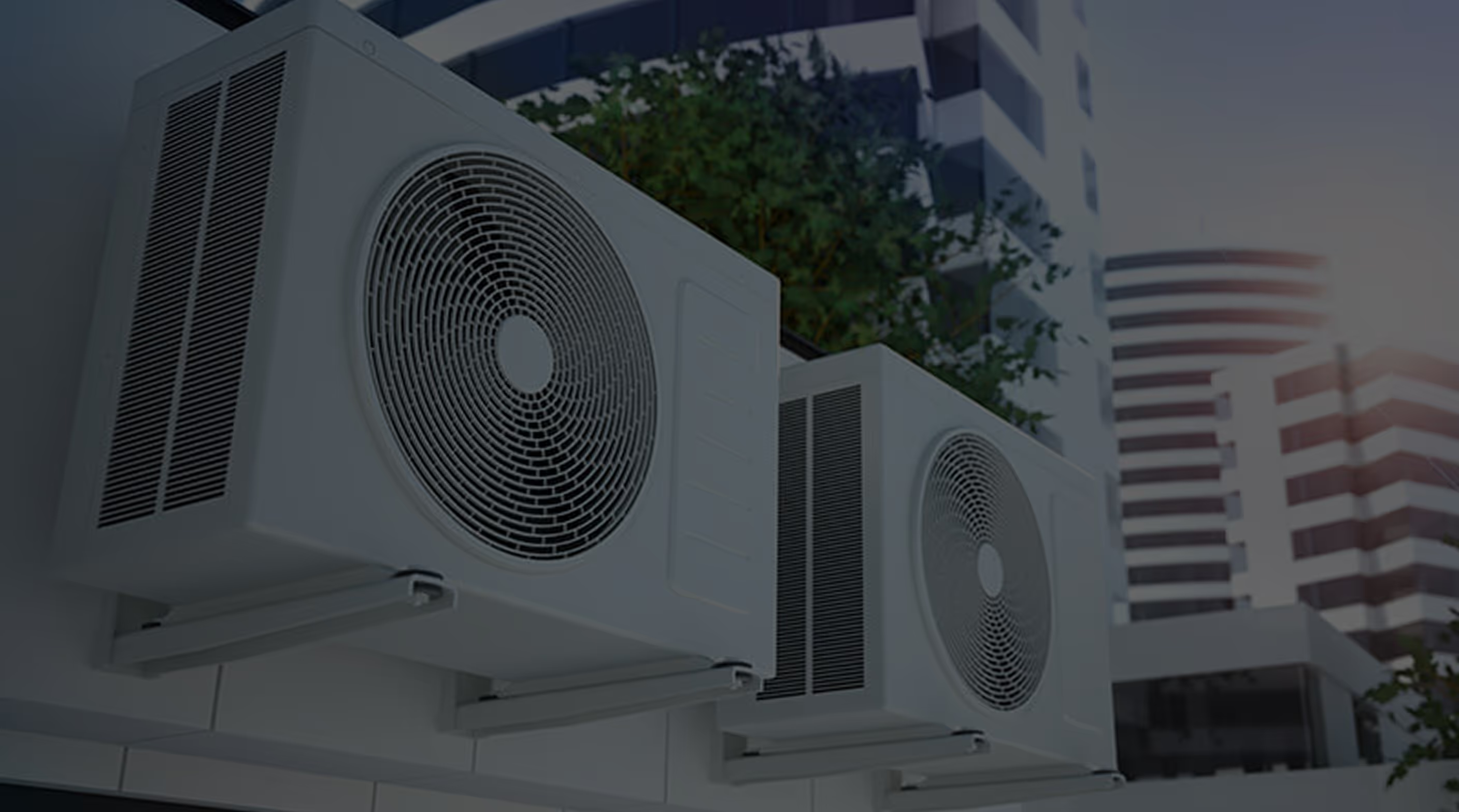
Heat Pump Tune-up in Los Altos Hills, CA
For a professional heat pump tune-up in Los Altos Hills, CA, Plum HVAC outlines the inspection, cleaning, testing, and safety checks that maintain efficiency and indoor air quality. We explain our step-by-step process, typical duration, and preparation tips for homeowners, plus common local issues like pollen, wildfire smoke, and outdoor obstruction. We also cover recommended annual timing, the benefits of regular maintenance, and how a thorough tune-up helps prevent mid-season failures and extend equipment life.
.jpeg)
Heat Pump Tune-up in Los Altos Hills, CA
Keeping your heat pump tuned and balanced is essential for reliable year-round comfort in Los Altos Hills, CA. With warm, dry summers, mild winters, periods of high pollen, and occasional wildfire smoke, local homes benefit from regular heat pump tune-ups to maintain efficiency, prevent mid-season breakdowns, and keep indoor air quality steady. This page explains what a professional heat pump tune-up includes, common local issues, the step-by-step inspection and testing process, recommended timing and frequency, expected duration, and practical preparation tips for homeowners.
What a heat pump tune-up includes
A comprehensive heat pump tune-up focuses on both performance and safety. Typical tasks performed during a residential tune-up include:
- Visual inspection of indoor and outdoor units, ductwork access points, and thermostat locations for obvious signs of damage, corrosion, pests, or debris.
- Cleaning coils and filters: evaporator and condenser coil cleaning to restore heat transfer; replacing or cleaning air filters to restore airflow and protect components.
- Airflow checks: measuring return and supply airflow and checking vents and registers for blockages or leaks.
- Refrigerant verification: checking refrigerant charge and pressures to detect leaks or undercharge conditions that reduce efficiency and comfort.
- Electrical component testing: inspecting contactors, relays, capacitors, fuses, and wiring for wear or loose connections; testing voltage and amp draw where needed.
- Thermostat calibration and controls: verifying thermostat operation, setpoints, and control wiring; confirming correct heat/cool switching and defrost cycles.
- Compressor and reversing valve operation: confirming the compressor starts and runs smoothly and the reversing valve functions for heating/cooling modes.
- Drain and condensate checks: clearing the condensate drain and checking the pan to prevent water damage or mold risk.
- Performance and efficiency measurement: measuring temperatures and pressures to calculate delta-T and estimate system efficiency.
- Safety and documentation: testing safety controls, noting any recommended repairs, and providing a written summary of findings and suggested next steps.
Common heat pump issues in Los Altos Hills, CA
Local climate and conditions create predictable problems that a tune-up addresses:
- Reduced airflow from dust and pollen: Los Altos Hills experiences seasonal pollen and dust that quickly clog filters and coils, reducing airflow and comfort.
- Outdoor unit blockage: shrubs, fallen leaves, or irrigation overspray can obstruct the condenser, lowering efficiency.
- Wildfire smoke particulate: during fire season, fine particulates accelerate filter loading and can contaminate indoor coils, making cleanings more critical.
- Electrical wear from cycling: mild seasonal temperature swings can cause frequent cycling and stress on capacitors and relays over time.
- Rodent or wildlife damage: rural and hillside properties can have animals nesting near units and chewing insulation or wiring.
- Minor refrigerant leaks: slow leaks reduce capacity and raise energy use; early detection prevents compressor damage.
The tune-up process — what to expect
A professional tune-up follows a structured diagnostic and maintenance workflow:
- Quick intake and system overview: confirm system type, age, model, and owner concerns.
- Visual inspection of both indoor and outdoor equipment.
- Air filter replacement or cleaning and coil cleaning as needed.
- Airflow measurement and vent inspection; duct access noted if further duct sealing or cleaning is needed.
- Refrigerant pressure checks and basic leak indication; system performance gauged by temperature split and pressure readings.
- Electrical testing for safe operation of motors, capacitors, and controls.
- Thermostat testing, control verification, and seasonal settings review.
- Final performance verification and a written summary of findings with any recommended repairs or efficiency suggestions.
Recommended frequency and seasonal timing
- Annual tune-up is the baseline for most heat pump systems. Annual service keeps equipment within manufacturer guidelines and helps preserve warranties.
- Ideal timing for Los Altos Hills: schedule a spring tune-up (March to April) to prepare for cooling season and a fall check (October) if you prefer a pre-winter inspection. If you only book one service per year, choose the season before your primary use period (typically spring for cooling).
- Consider extra checks after wildfire smoke events or when you notice reduced comfort, rising energy use, or unusual noises.
Benefits of a regular tune-up
- Improved comfort and more consistent temperatures throughout your home.
- Lower energy consumption and potential utility bill reductions by restoring proper airflow and refrigerant charge.
- Fewer emergency repairs and lower risk of mid-season failure during heat waves or cold snaps.
- Longer equipment life through reduced stress on compressors and motors.
- Better indoor air quality by removing accumulated dust, pollen, and particulates from coils and filters.
- Documentation for warranty compliance and a clear record of system condition.
Typical duration and what affects it
Most single-zone residential heat pump tune-ups take about 45 to 90 minutes. Factors that can extend the appointment include:
- Two-stage or multi-zone systems requiring additional checks.
- Extensive coil cleaning needed due to heavy particulates or biological growth.
- Accessibility issues such as locked mechanical closets or overcrowded outdoor units.
- Additional diagnostic steps if refrigerant repair or electrical faults are suspected.
How homeowners can prepare
To make the most of the appointment and allow a thorough inspection:
- Ensure clear access to indoor and outdoor units and secure pets away from the work area.
- Provide any recent service history or owner concerns (e.g., unusual noises, uneven temperatures, or high bills).
- Clear toys, plants, or debris from around the outdoor unit and open access panels if you routinely keep them closed.
- Be ready to set the thermostat to heat or cool for testing if requested.
Simple maintenance you can do between tune-ups
- Replace or clean air filters every 1 to 3 months during high-use seasons.
- Keep the outdoor unit free of plants, leaves, and standing water.
- Use programmable thermostat settings to avoid unnecessary cycling.
- Watch for signs like ice buildup on the outdoor coil in winter, excessive noise, or persistent comfort issues and schedule service sooner if they appear.
A professional heat pump tune-up in Los Altos Hills, CA, tailored to local conditions, helps preserve comfort and efficiency while reducing the chance of unexpected failures. Regular seasonal maintenance addresses the most common local stressors—pollen, smoke, dust, and wildlife—so your system runs reliably through the mild Bay Area seasons and during occasional heat waves.
hear what our satisfied clients have to say

.svg)
Service areas
.avif)